















The Environmental Protection Agency (EPA) is defending approximately $13.8 million spent on staff training in 2025, arguing that strengthening its technical capacity is necessary to effectively regulate Guyana's rapidly expanding economy, particularly as the oil and gas industry grows.
In a statement issued on Wednesday, November 4, the agency said 144 employees participated in 77 distinct training programmes last year, accounting for 418 training participations.
The training covered environmental legislation, compliance inspections, environmental risk assessments, oil spill response, emergency planning, incident command, radiological environmental impact assessments and public procurement.
The EPA said these areas are directly connected to its responsibility to assess environmental impacts, manage risks, enforce compliance and respond to environmental emergencies.
The agency's defence comes amid questions about the expenditure, with officials arguing that investment in staff development should be viewed in the context of the increasing technical demands placed on the regulator.
For an agency responsible for overseeing activities with potentially significant environmental consequences, the ability to assess complex projects, conduct inspections and coordinate responses to emergencies is particularly important.
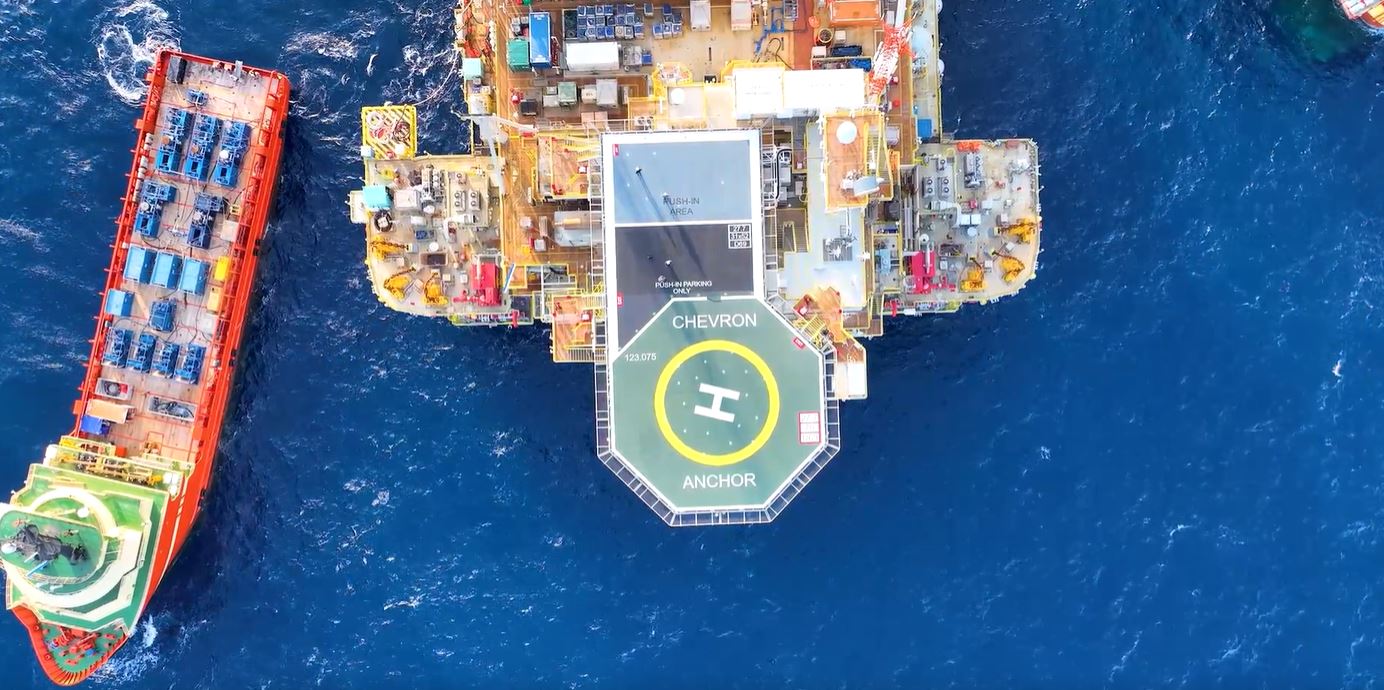
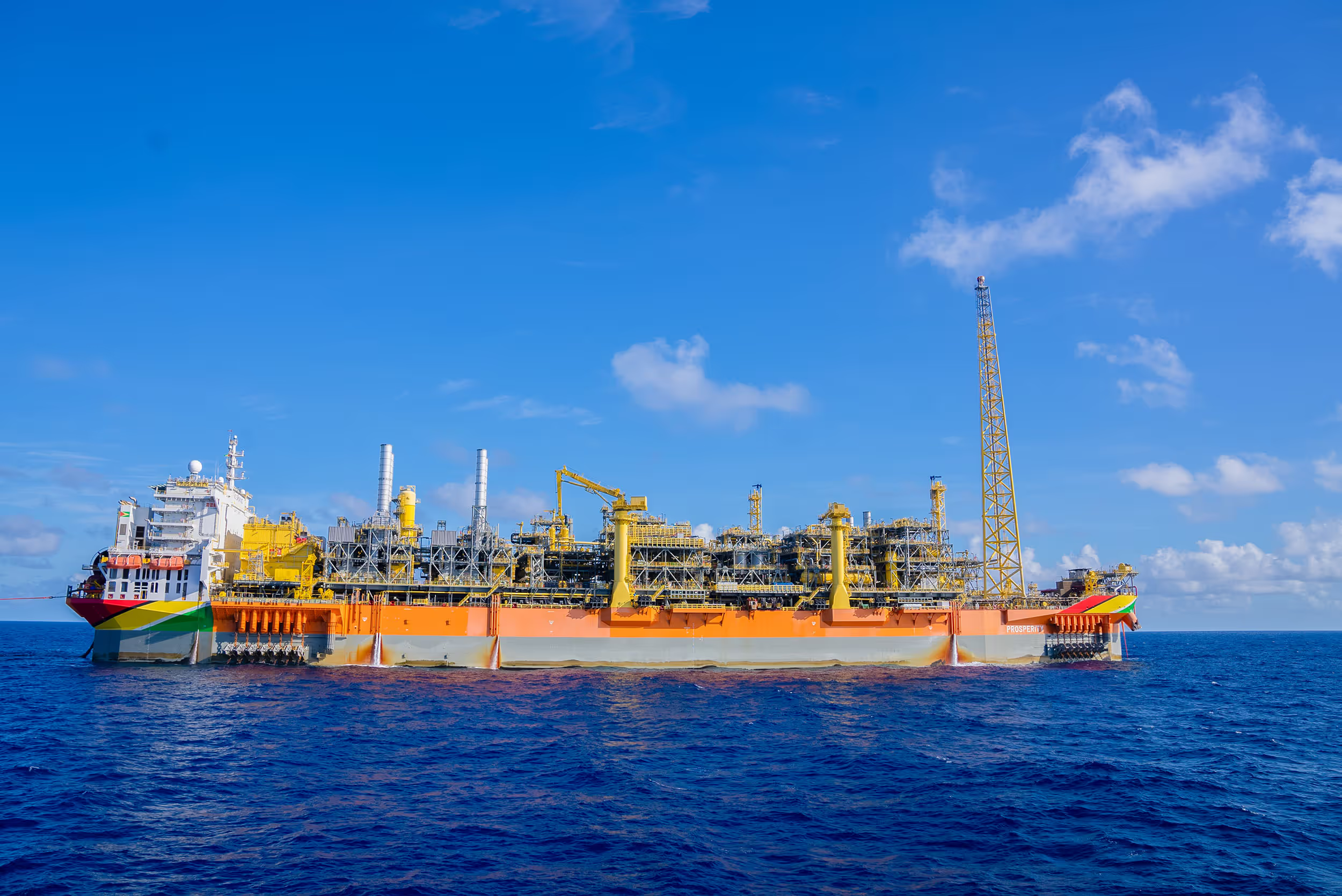
Oil production offshore Guyana has expanded considerably since first oil in December 2019, with multiple floating production, storage and offloading vessels now operating in the Stabroek Block and further developments planned.
The EPA maintained that it cannot be expected to regulate an expanding economy effectively without continually strengthening the knowledge and expertise of its workforce.
It also rejected suggestions that its role should be to automatically approve or prevent development, saying its responsibility is to ensure that projects proceed with appropriate environmental safeguards and to exercise its regulatory authority where risks are unacceptable or cannot be managed.
However, while the agency has outlined the number of employees trained and the subject areas covered, questions remain about the measurable outcomes of the investment.
These include how the training has improved the quality of environmental assessments, the effectiveness of compliance inspections, the agency's preparedness for oil spills and other emergencies, and whether the number of trained personnel is sufficient to meet its growing responsibilities.
Greater disclosure of the training providers, individual programme costs, selection processes and subsequent application of the skills acquired would also help the public assess the value of the expenditure.
The EPA said it welcomes criticism grounded in facts, evidence and a genuine understanding of environmental governance, maintaining that building institutional capacity is necessary as Guyana's economy continues to develop.