
















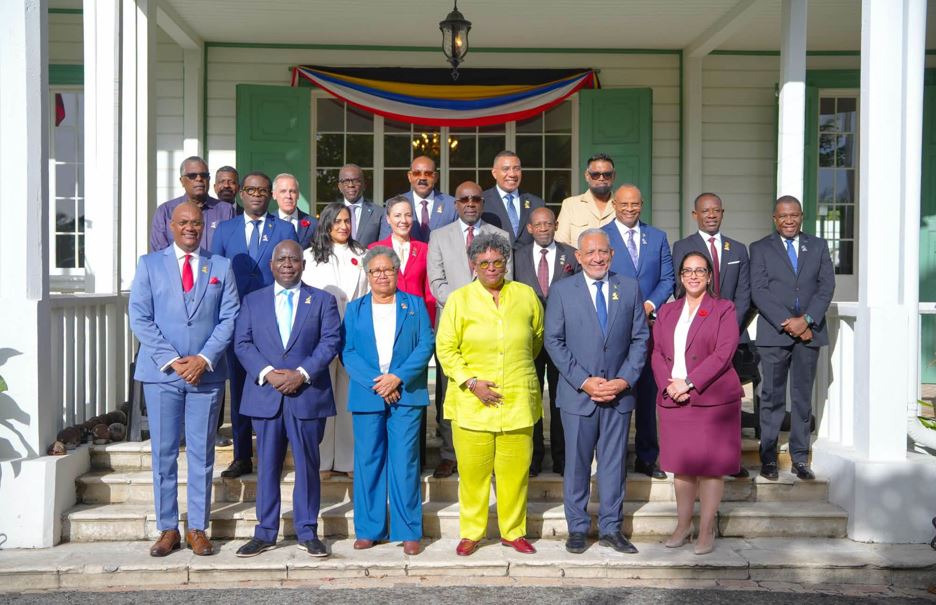
CARICOM Secretary-General Dr Carla Barnett is calling on Caribbean governments to accelerate investment in renewable energy and strengthen energy infrastructure, warning that volatile global fuel prices and the growing effects of climate change make it increasingly urgent for the region to build more secure and resilient energy systems.
In a message marking the launch of CARICOM Energy Month 2026, Barnett said member states must take concrete steps to develop sustainable, affordable and reliable energy systems, making greater use of the region's natural renewable energy resources.
This year's observance is being held under the theme, "Harnessing Energy, Advancing Resilient Development."
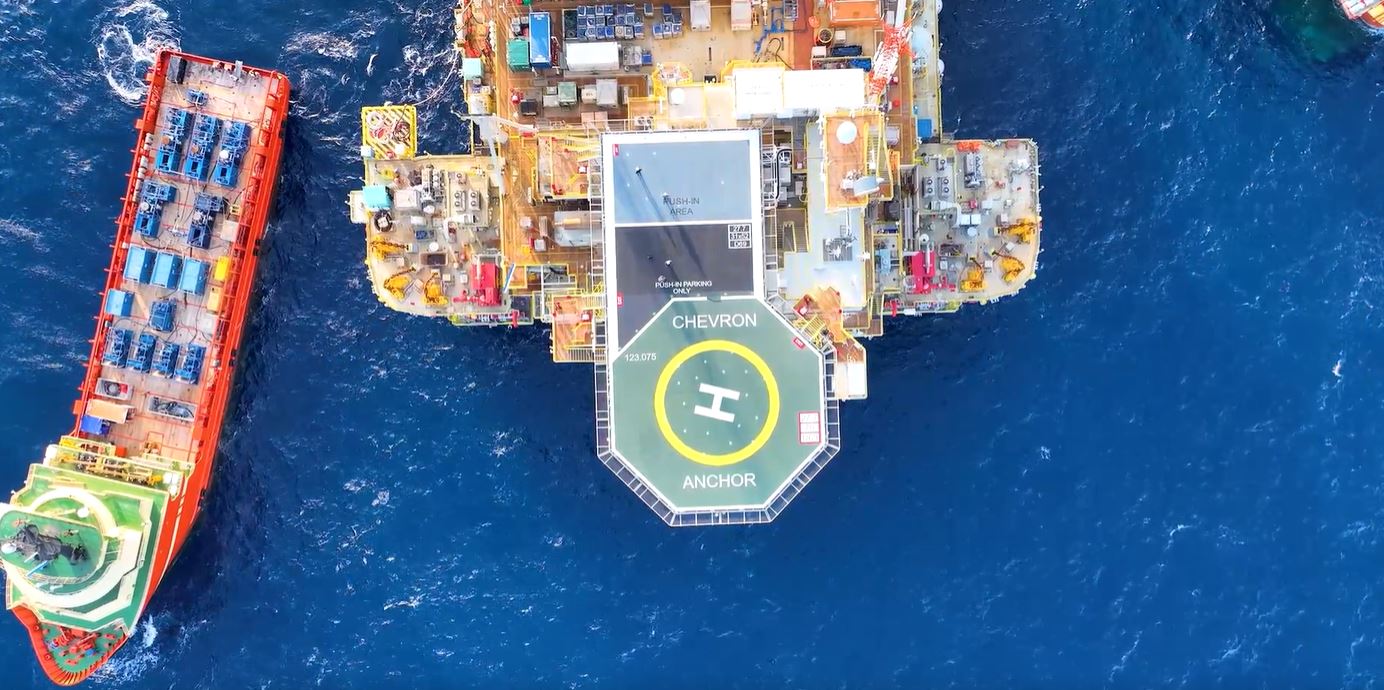
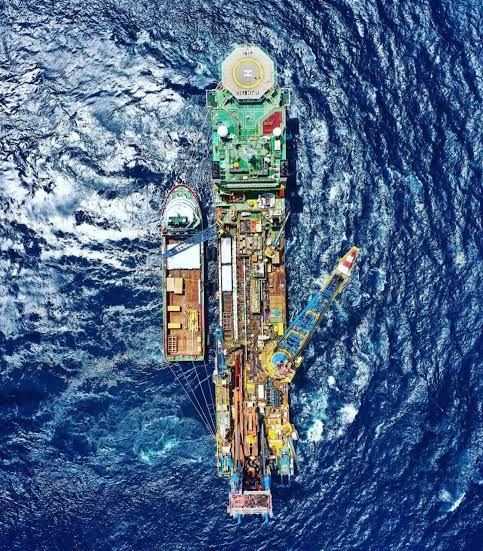
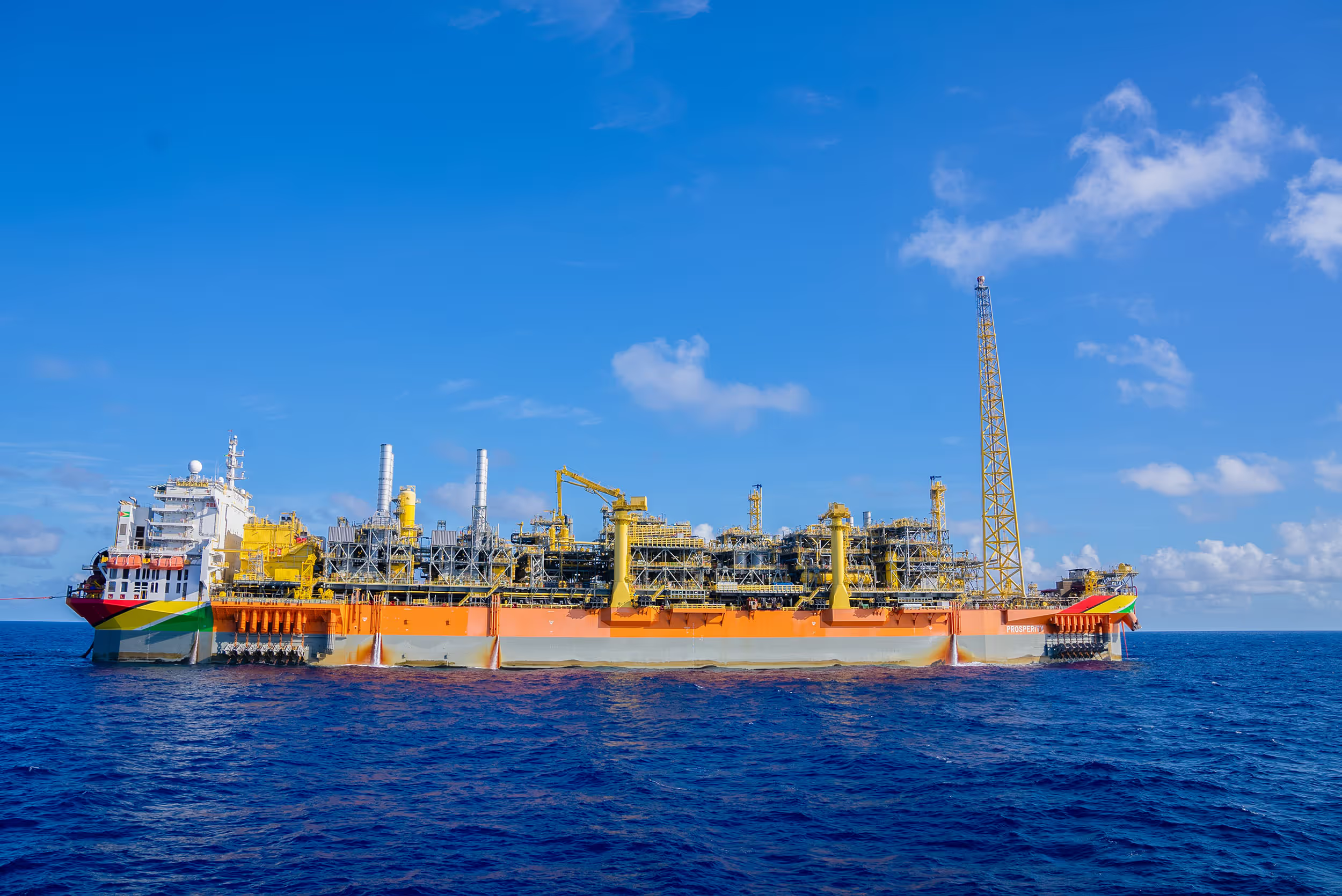
For Guyana, one of the region's fastest-growing oil producers, the call comes at a time when the country is expanding its petroleum industry while also pursuing investments in alternative energy sources as part of its broader development strategy.
Barnett noted that Caribbean countries, many of which are Small Island and Low-Lying Coastal Developing States, remain particularly vulnerable to climate change while continuing to face the economic consequences of fluctuating international energy prices.
She said the region has considerable renewable energy potential, including solar, wind, hydroelectricity, geothermal, biomass and marine energy.
Greater use of these resources, she explained, could help Caribbean countries reduce their dependence on imported fuels, conserve foreign exchange, improve energy security and lower electricity costs.
For countries that spend significant amounts of foreign exchange importing fuel, diversifying energy supplies could also help reduce exposure to international price shocks.
However, Barnett stressed that renewable energy investment must go hand in hand with modernised electricity grids, energy storage technologies and infrastructure capable of withstanding hurricanes and other external shocks.
She also acknowledged that conventional energy sources will continue to play an important role as the region gradually transitions towards cleaner technologies.
Importantly, she said the transition is not solely about reducing greenhouse gas emissions. It is also about strengthening energy security, generating economic opportunities and advancing the United Nations Sustainable Development Goals.
Although the Caribbean contributes less than one per cent of global greenhouse gas emissions, Barnett said CARICOM remains committed to expanding renewable energy use.
For Guyana, the energy transition is already taking place alongside the development of its petroleum sector.
Through its Low Carbon Development Strategy 2030, the country has outlined plans to expand renewable energy, including solar, hydropower and wind, while advancing national electrification.
The Guyana Energy Agency has identified these sources as important elements of the country's efforts to diversify its energy mix and improve access to reliable and sustainable electricity.
Barnett also called for stronger collaboration among governments, the private sector, development partners, academic institutions and civil society to accelerate the region's energy transformation.
She said investment, innovation and knowledge-sharing would be critical to unlocking the Caribbean's renewable energy resources and ensuring that the benefits extend to future generations.
The CARICOM Secretary-General emphasised that commitments to climate resilience and sustainable development must now translate into measurable action across the region.