
















Guyana is increasing oil production just as the global energy system is changing.
Electric vehicles are expanding. Renewable power is growing rapidly. Energy efficiency is improving.
But none of that means the world has stopped using oil.
The International Energy Agency's outlook has repeatedly shown that oil demand remains substantial even as its growth slows.
At the same time, geopolitical shocks can quickly alter the supply-and-demand balance.
The latest global market developments have demonstrated that oil remains deeply connected to transportation, industry, trade and national security. The IEA has also revised its forecasts in response to major supply disruptions in 2026.
Natural gas presents a different picture.
Gas continues to play an important role in electricity generation and industrial activity, particularly where countries are trying to reduce dependence on coal while maintaining reliable power.
For Guyana, this matters because the country is not developing only an oil industry.
It is also developing a natural-gas industry.
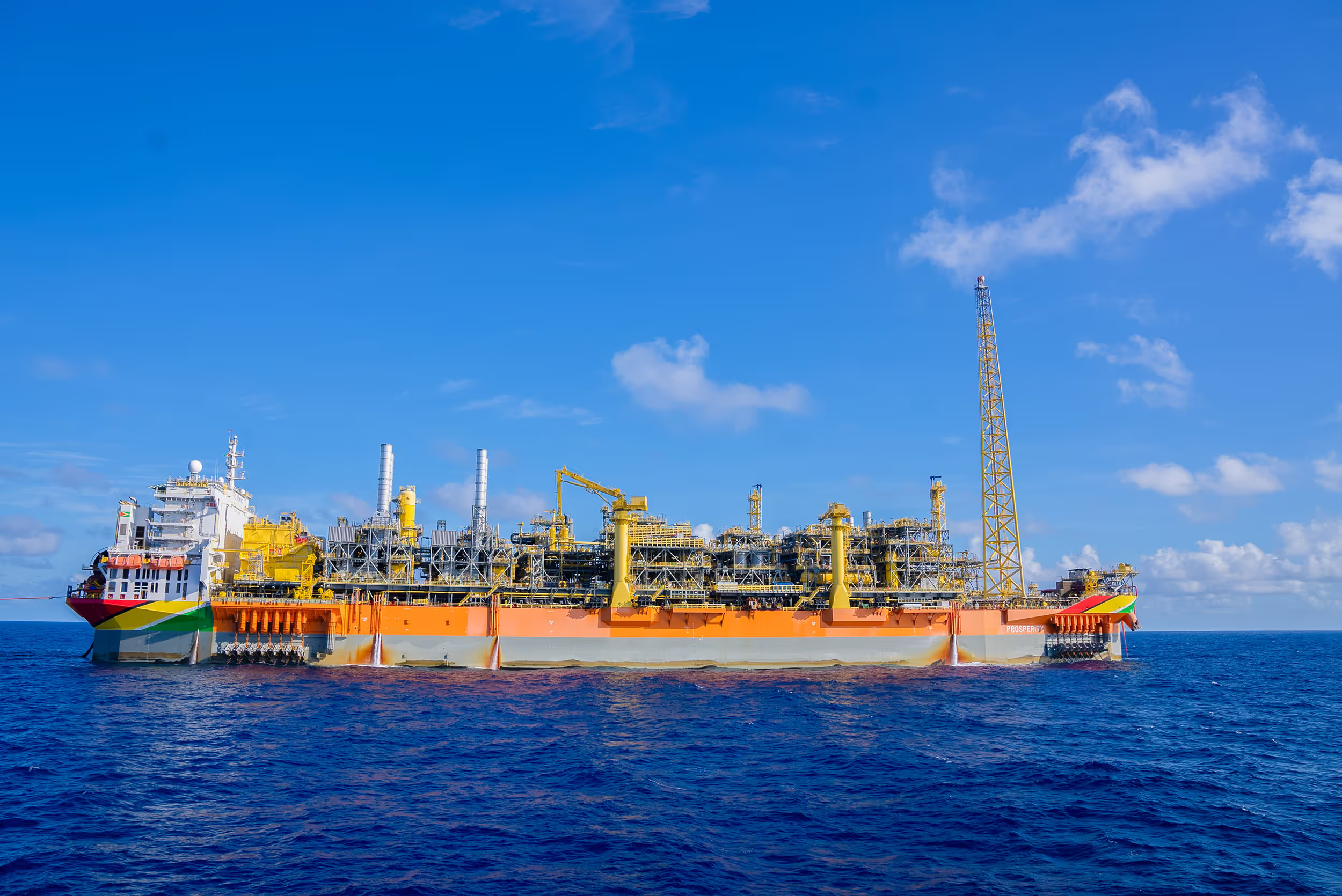
The Gas-to-Energy project is designed to bring offshore gas ashore for electricity generation, with an associated natural-gas-liquids facility.
That means Guyana is entering an energy market where the demand question is more complicated than "oil versus renewables."
Oil remains important for transportation and petrochemicals.
Gas can support electricity and industry.
Renewables can provide low-emission electricity.
And increasingly, electricity itself is becoming a much larger part of the global energy system.
Guyana therefore has an unusual opportunity.
It can use its petroleum resources while preparing for an energy market in which electricity, digital infrastructure and lower-emission technologies become increasingly important.
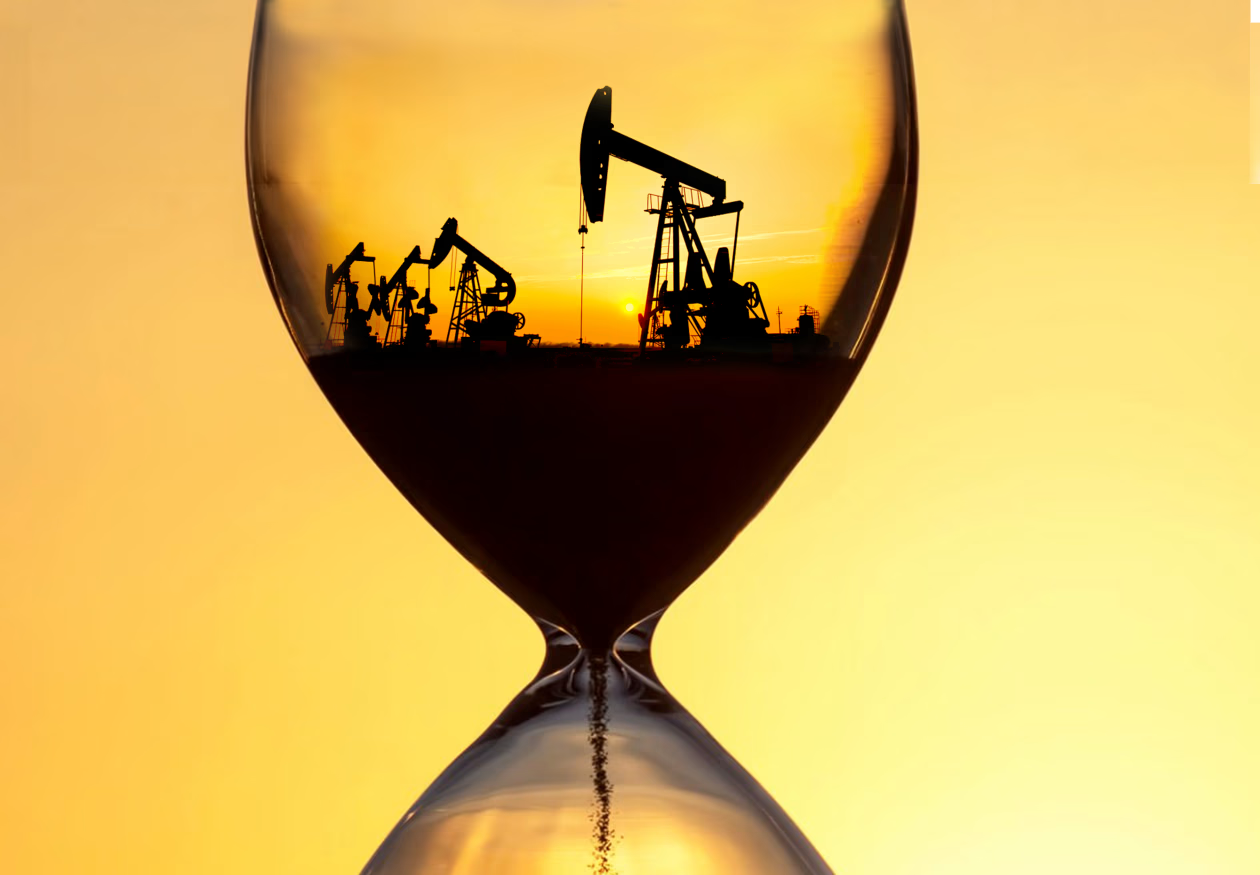
The risk is assuming today's demand will automatically remain tomorrow's demand.
The opportunity is planning for both possibilities.



.png)