
















Guyana could face a more challenging oil-price environment even as its offshore production continues to expand, with the International Energy Agency (IEA) warning that global oil supply is expected to exceed demand significantly as production increases and disrupted exports recover.
In its November 13 Oil Market Report, the agency said global oil supply rose to 105.4 million barrels per day in October and is expected to exceed demand by approximately 1.7 million barrels per day during the fourth quarter of 2026.
That represents a significant shift from the agency's earlier outlook, which had anticipated a supply deficit during the period.
The IEA is also projecting global supply to increase by 6.6 million barrels per day in 2027, reaching approximately 108.1 million barrels per day, with the market potentially recording a surplus of about 3.8 million barrels per day.
The agency attributes the expected increase in supply to recovering production and exports, alongside continued growth from major producing countries.
Among the countries contributing to the broader supply increase are the United States, Canada, Brazil, Argentina and Guyana, which the IEA expects collectively to increase production by approximately 1.6 million barrels per day in 2026.
That figure represents the combined contribution of those five countries and should not be interpreted as Guyana's individual production increase.
For Guyana, the implications extend beyond movements in international oil prices.
Petroleum revenues have become a major source of government financing, with profit oil and royalties flowing into the Natural Resource Fund to support national development spending.
As production increases, Guyana will have more oil available for sale, but the value of those barrels will remain heavily influenced by international market conditions.
A sustained surplus could place downward pressure on crude prices, potentially reducing the revenue earned from each barrel even as the country produces and exports more oil.
This creates an important consideration for a country whose offshore production is expected to expand substantially over the next several years.
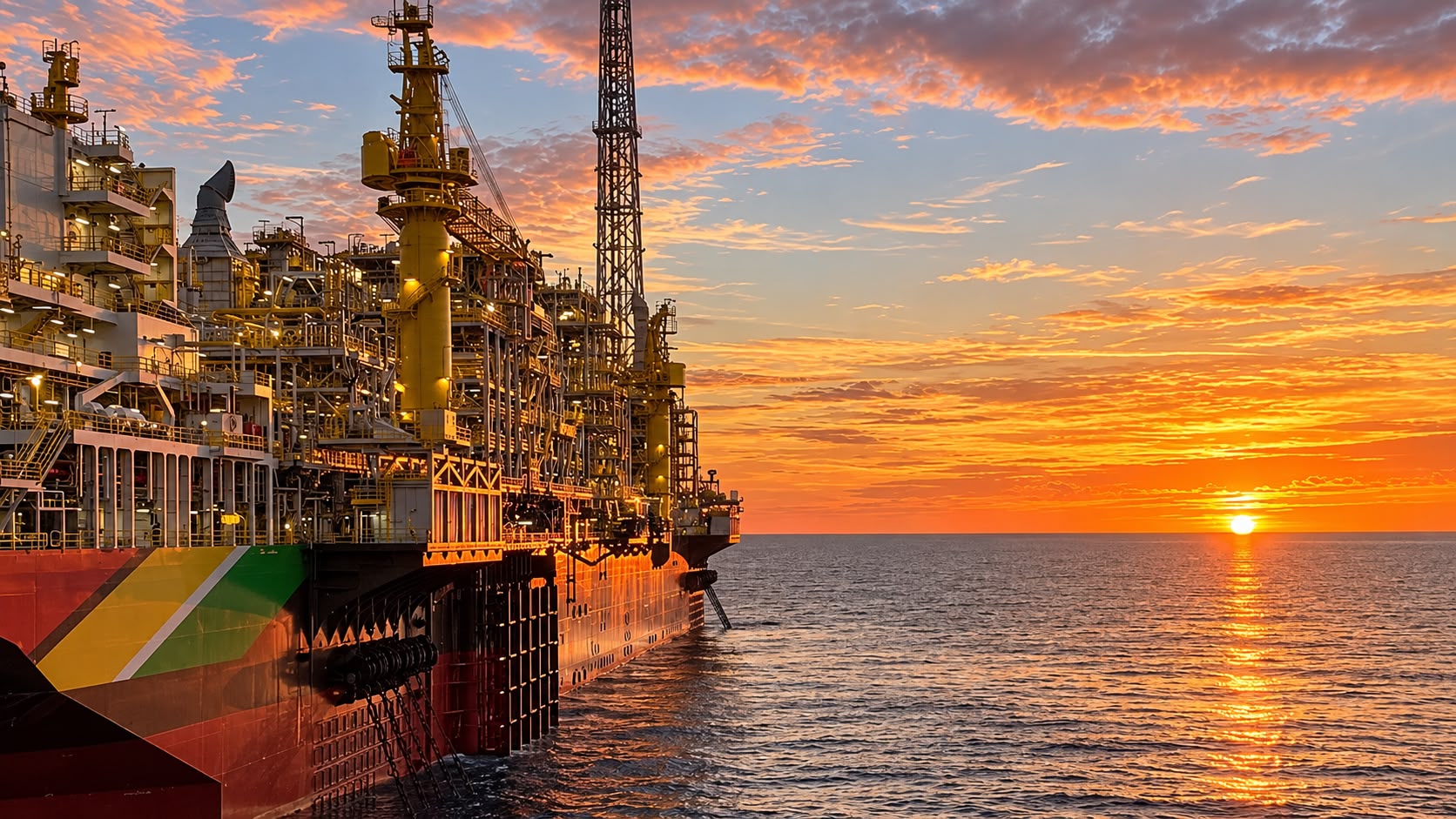
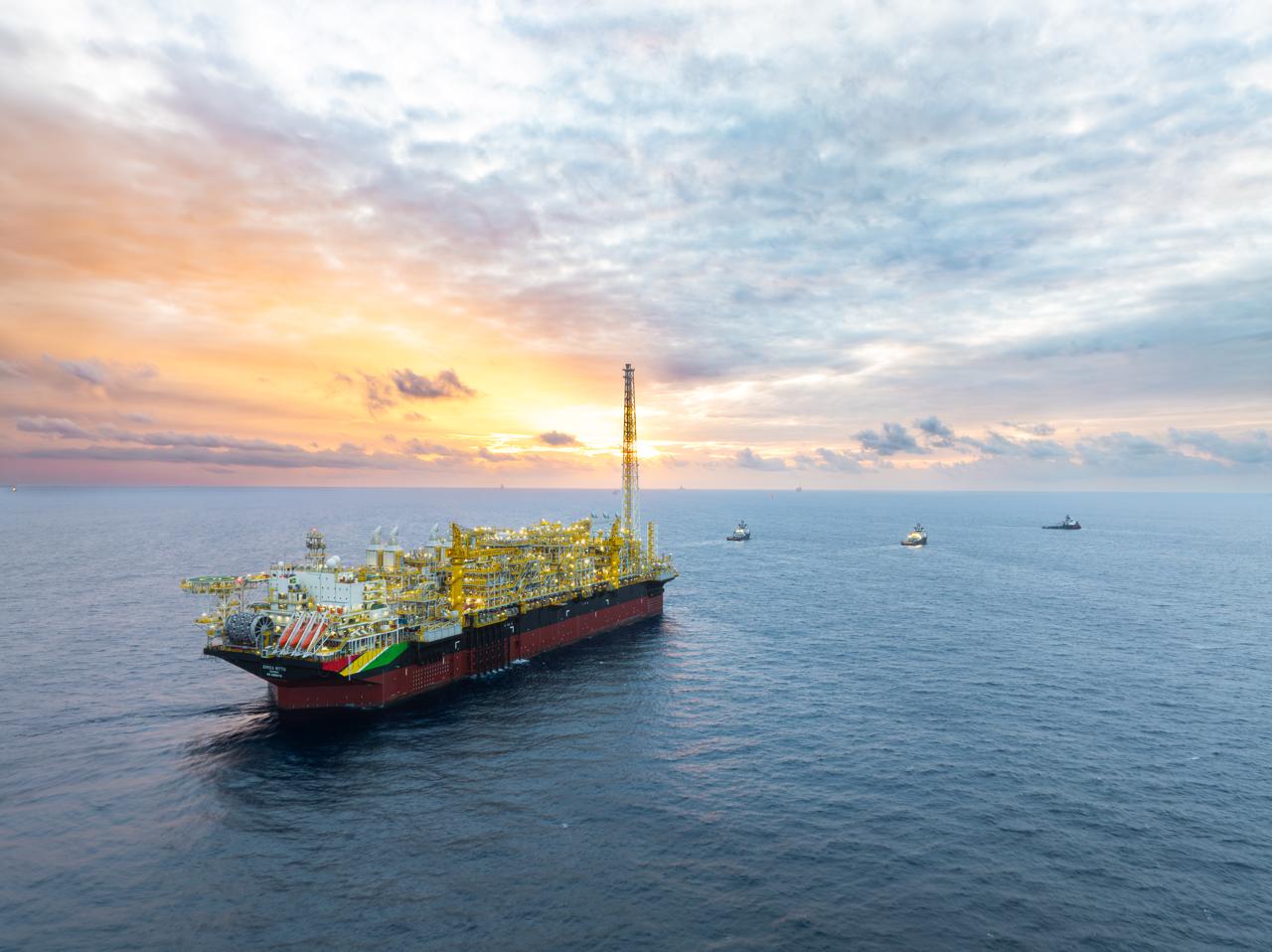
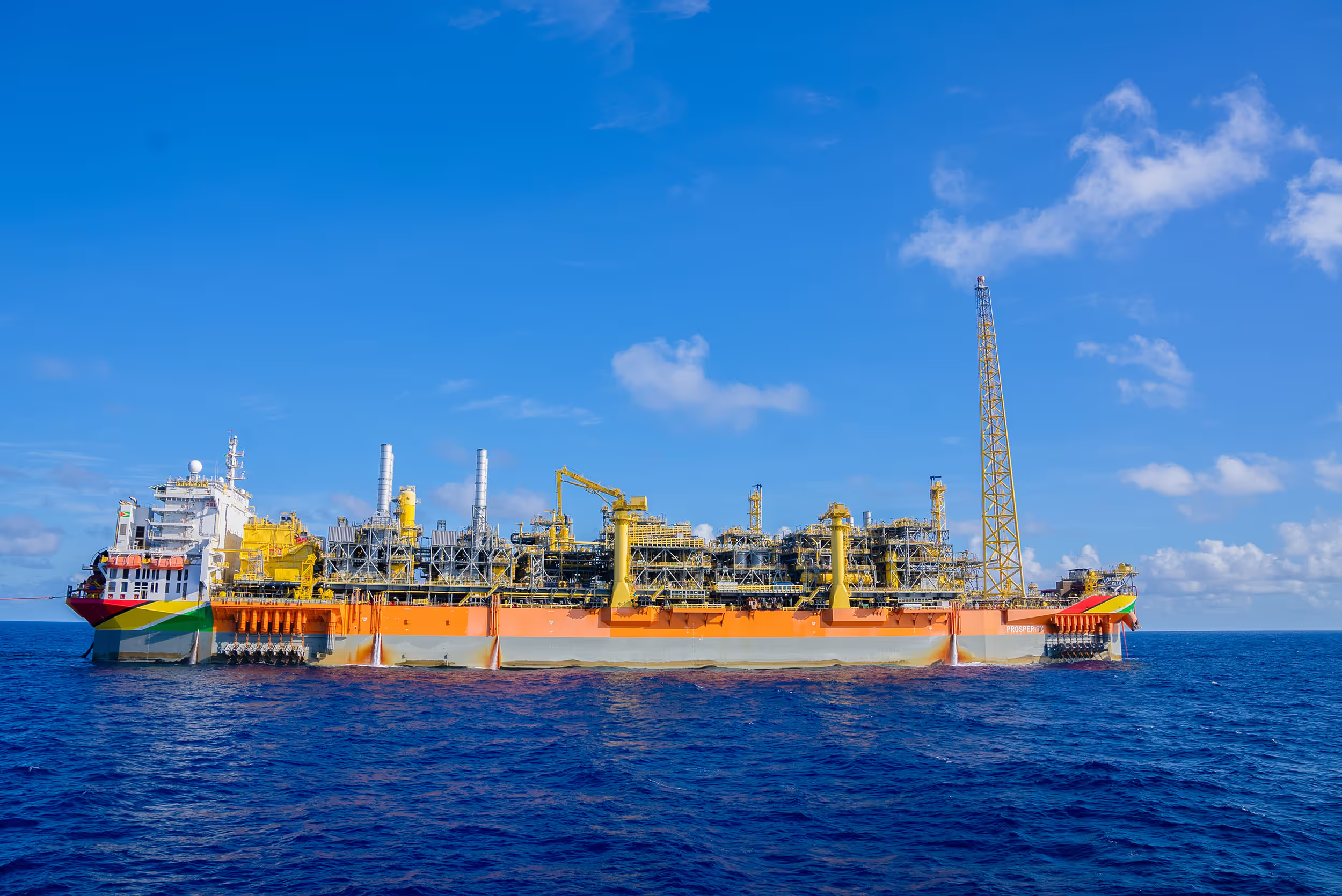
Guyana currently has four producing FPSOs, with additional developments expected to increase production capacity. The Government has been positioning the country for much higher output, making the relationship between production volumes and international prices increasingly important to its fiscal outlook.
Higher production does not automatically translate into proportionately higher government revenue if the price received for each barrel declines.
The impact will also depend on the quality and pricing of Guyana's crude grades, contractual entitlements, production costs, royalty payments and the timing of individual oil liftings.
The IEA's projections do not mean that Guyana's oil revenues are about to decline. Its forecast is based on expectations about global production, demand and the recovery of disrupted supply, all of which can change.
Geopolitical developments, unexpected production outages, changes in economic activity and decisions by major oil producers could alter the market balance and prices.