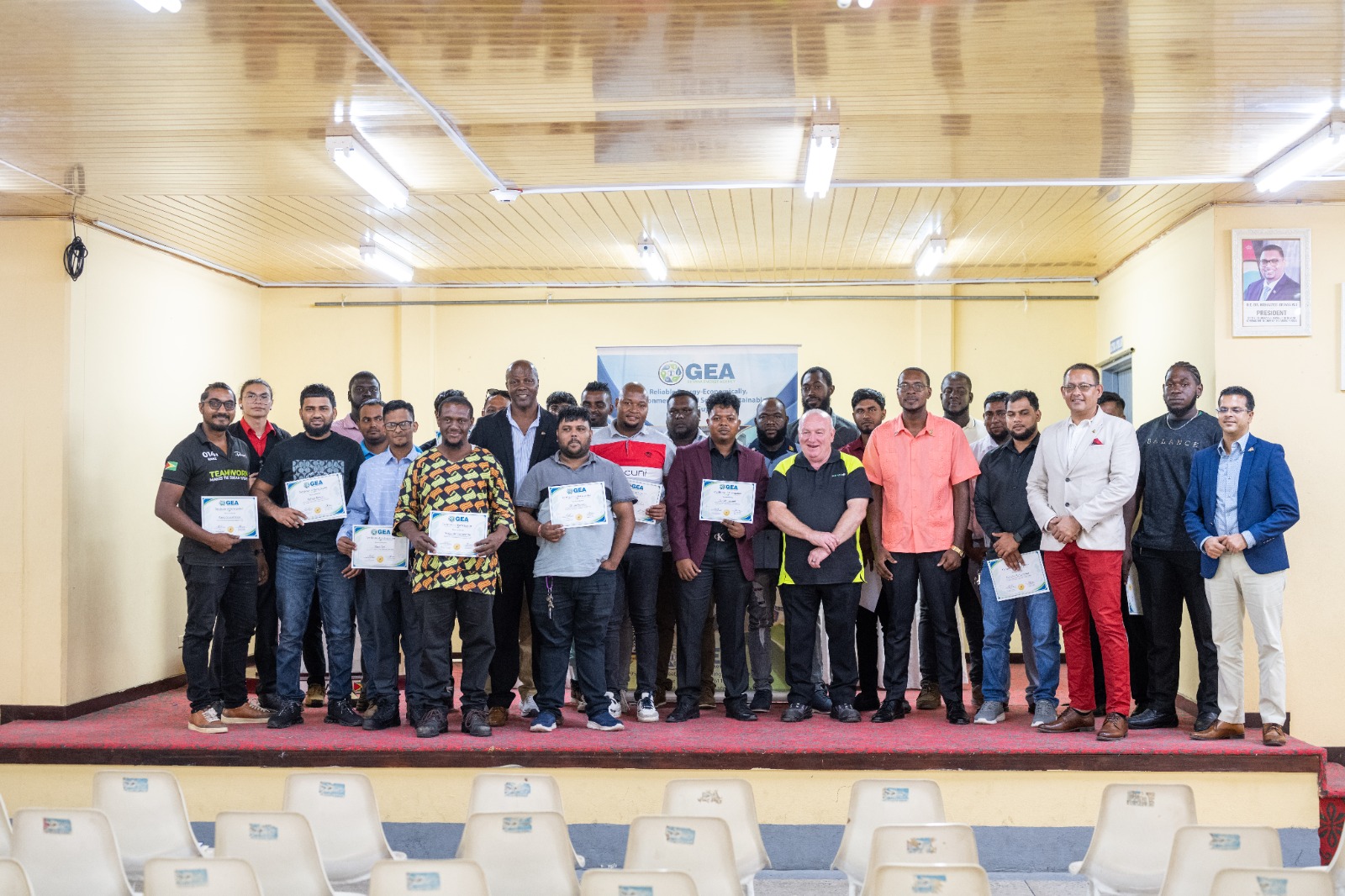
















Oil can build roads, bridges and hospitals. But who will run them? That was the central challenge posed at the graduation of nearly 3,900 GOAL scholars, where education was presented as Guyana's most important investment in the oil era.
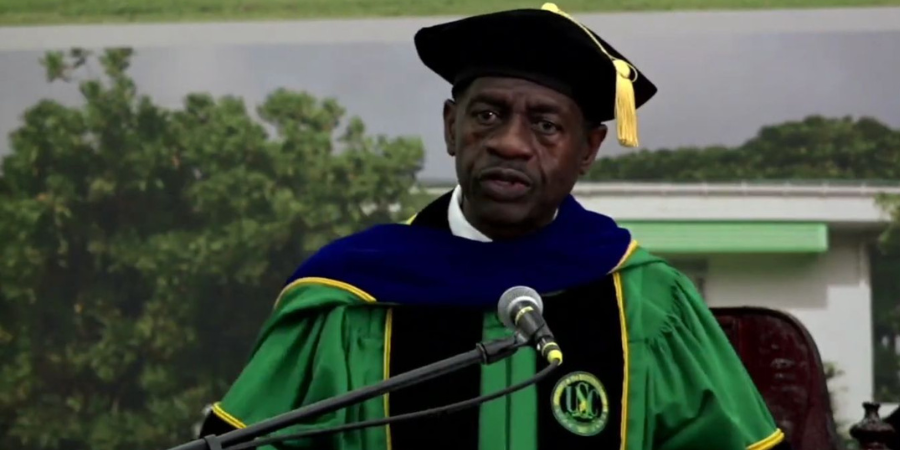
Speaking at the graduation ceremony for nearly3,900 GOAL graduates, President of the University of the Southern Caribbean, Dr. Colwick Wilson, offered a powerful reminder that while oil may be transforming Guyana's economy, education will ultimately determine whether that transformation is sustainable.
His message arrives at a pivotal moment in Guyana's history.
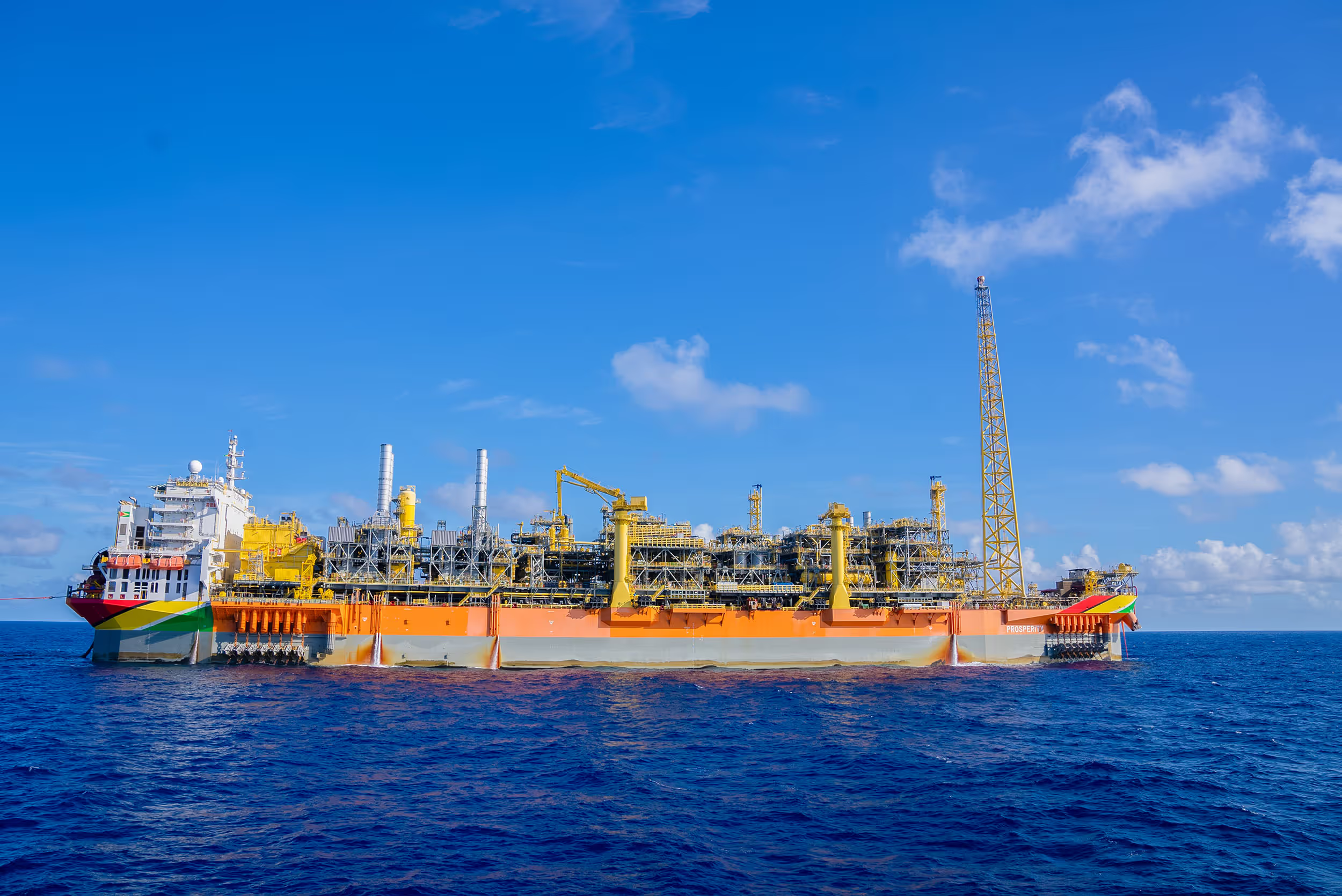
The country is earning billions from offshore oil production. New highways, hospitals, schools and bridges are reshaping the landscape. International investors are arriving. Global attention is fixed on a nation once overlooked but now regarded as one of the world's fastest-growing economies.
But history offers a warning.
Many resource-rich countries became wealthy on paper while remaining poor in institutional capacity, productivity and innovation. Natural resources created revenue, but not necessarily development.
As Dr. Wilson bluntly noted, a country can become rich in natural resources while remaining poor in human resources.
That observation should give every Guyanese pause.
The oil beneath Guyana's waters can finance development, but it cannot manage a hospital, teach a classroom, design infrastructure, run a ministry, lead a company, conduct research, create technology or build strong institutions.
People do that.
And that is where GOAL may prove to be one of the most important investments Guyana has made since first oil.
The programme is not simply producing graduates. It is creating the human capital needed to manage a rapidly evolving economy.
Among this year's graduates were teachers, nurses, managers, engineers, public servants, researchers and entrepreneurs. Many studied while working full-time. Others balanced family responsibilities, financial pressures and limited access to technology.
Their achievement reflects something larger than individual success. It represents a national effort to ensure that Guyanese citizens are equipped to lead the country's development rather than merely observe it.
The challenge facing Guyana today is no longer whether opportunities exist.
The challenge is whether enough Guyanese possess the skills to seize those opportunities.
A country that depends solely on resource extraction risks becoming vulnerable to fluctuating oil prices and finite reserves. A country that develops its people creates wealth that can outlast any oil field.
This is why the GOAL graduation ceremony should be viewed as more than an academic milestone. It is a strategic national development event.
Every degree awarded represents another Guyanese prepared to contribute to sectors that will define the country's future—energy, healthcare, education, technology, logistics, environmental management, public administration and entrepreneurship.
Dr. Wilson also delivered a warning that extends beyond economics.
He argued that Guyana's future requires more than technical competence. It requires critical thinkers, ethical leaders, responsible managers and citizens capable of making informed decisions in an era increasingly dominated by misinformation, social media noise and political division.
"Acceleration must have direction," he said.
The phrase may be one of the most important lessons for modern Guyana.
The country is accelerating at an unprecedented pace. Economic growth is among the highest in the world. Investment is pouring in. Infrastructure is expanding.
But growth without skills, growth without discipline and growth without institutional strength can create as many problems as it solves.
The real test of Guyana's oil era will not be measured by production figures, royalty payments or GDP statistics.
It will be measured by whether the country uses today's oil wealth to build tomorrow's knowledge economy.



.png)