

















The Government of Guyana has approved several measures to conserve electricity amid rising temperatures from the current El Niño period and growing demand for power in new communities.
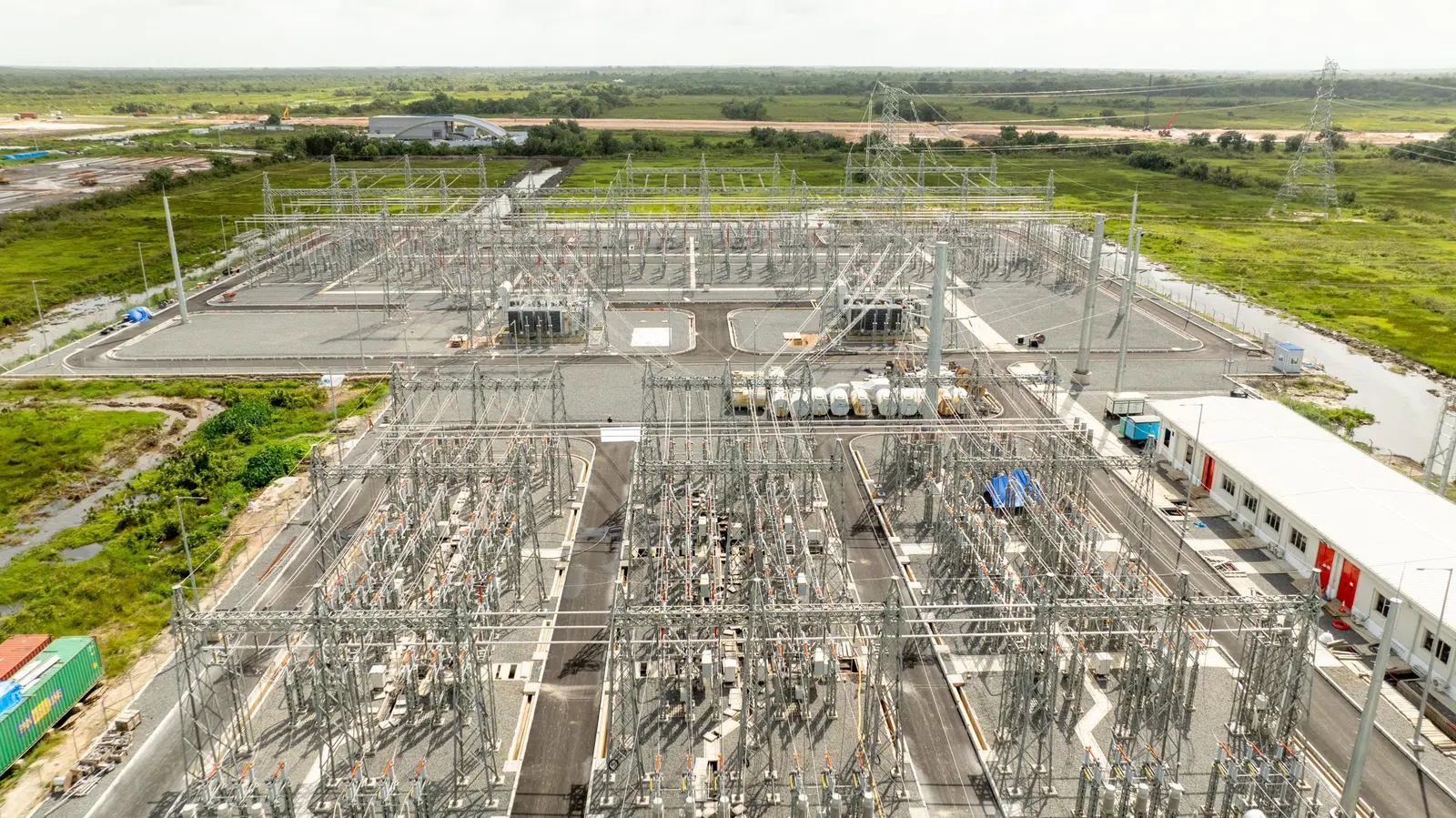
The power-saving measures largely target the Demerara-Berbice Interconnected System (DBIS), Guyana's main power grid run by the Guyana Power and Light Inc (GPL). The DBIS recorded a peak demand of 242.46 megawatts (MW) this week. The increased demand, coupled with aging infrastructure, has placed some strain on the electricity distribution system.
Last year, peak demand was 221 MW.
However, Minister of Public Utilities and Aviation Deodat Indar said the government is continuously upgrading the system and adding more generation capacity, while also rolling out measures to conserve power.
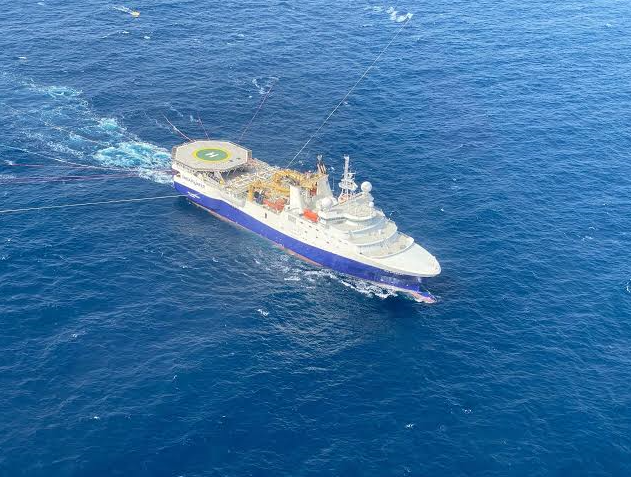
Speaking at a press conference on Friday, Indar detailed the interventions being pursued to increase power generation capacity, ranging from additional power from power ships hired by the government to new engines at substations on the coast.
"At the end of August, we will have 280.3 MW of power. If the power continues to rise as we expect it to be in September and October, at least we will have this 280 MW of power.
"We expect [peak demand] to go to 266 MW during this period," Indar said.
As more power is infused into the DBIS, the government has made several decisions to conserve power:
- All lights and air conditioning units not in use after hours at government buildings are to be powered off
- Floodlights at sports facilities should be powered off when not in use
- Large customers with their own power-generation systems have been asked to come off the grid during peak hours
The general public is also being urged to conserve power in their own ways.
Most areas across the country — that is, beyond the DBIS — have sufficient power.
However, Region 10's power demand is exceeding its capacity. As such, the region's 32 sawmills have been asked to operate mainly between 10 p.m. and 6 a.m., when overall demand on the grid is lower. The move is intended to prevent the sawmills from adding to the pressure on the system during the two daily peak periods. Indar said Linden typically experiences one peak between 1 p.m. and 3 p.m., and another between 7 p.m. and 9 p.m.
Additionally, Indar said the government has been assured that the first gas turbine of the long-anticipated gas-to-energy project will be operational by year-end, adding another 57 MW of power to the grid.



.png)