
















The government is examining three possible ways to reduce the cost of importing refined petroleum products, including building larger fuel storage facilities, establishing a refinery and exchanging some of its crude oil for finished fuels, President Dr Irfaan Ali has disclosed.
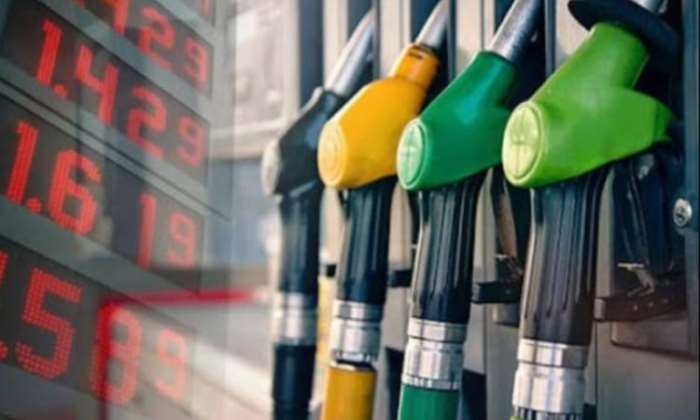
The options are being considered as the country looks for ways to reduce the cost of bringing gasoline, diesel and other refined products into Guyana, costs that ultimately affect motorists, transport operators, businesses and consumers.
Responding to a question about whether government was considering crude-for-refined-product swaps, Ali said the administration was examining several options that could potentially reduce the cost of refined fuel.
One option involves expanding storage capacity to allow larger vessels to transport fuel to Guyana.
Ali said larger shipments could reduce transportation costs, with some estimates suggesting potential savings of between 15% and 20%.
“Technically, from a theoretical perspective, but also theory that has been proven, is large-scale storage that allows you to have national security but allows you also to bring in larger vessels so that you have reduced transport costs and that can be passed on to the pump,” he said.
However, he acknowledged that such a facility would require significant capital investment and suitable infrastructure, including sufficient water depth to accommodate larger vessels or arrangements to transfer fuel from offshore facilities to onshore storage.
A second option is the establishment of a refinery.
Ali confirmed that a memorandum of understanding has been signed with a company that is now examining the feasibility of a refinery intended to serve Guyana's domestic market, with the possibility of supplying some regional markets.
The President said a refinery could also create wider economic activity through transportation, logistics and tanker services.
A third option involves crude-for-refined-product swaps, under which Guyana could exchange some of the crude oil it produces for finished petroleum products rather than selling the crude and separately purchasing refined fuels.
Ali said such arrangements have helped reduce refined-product costs in some markets but have also created problems in others, meaning the approach would have to be carefully examined.
“They are all theories that we are examining,” he said.
What could this mean for consumers?
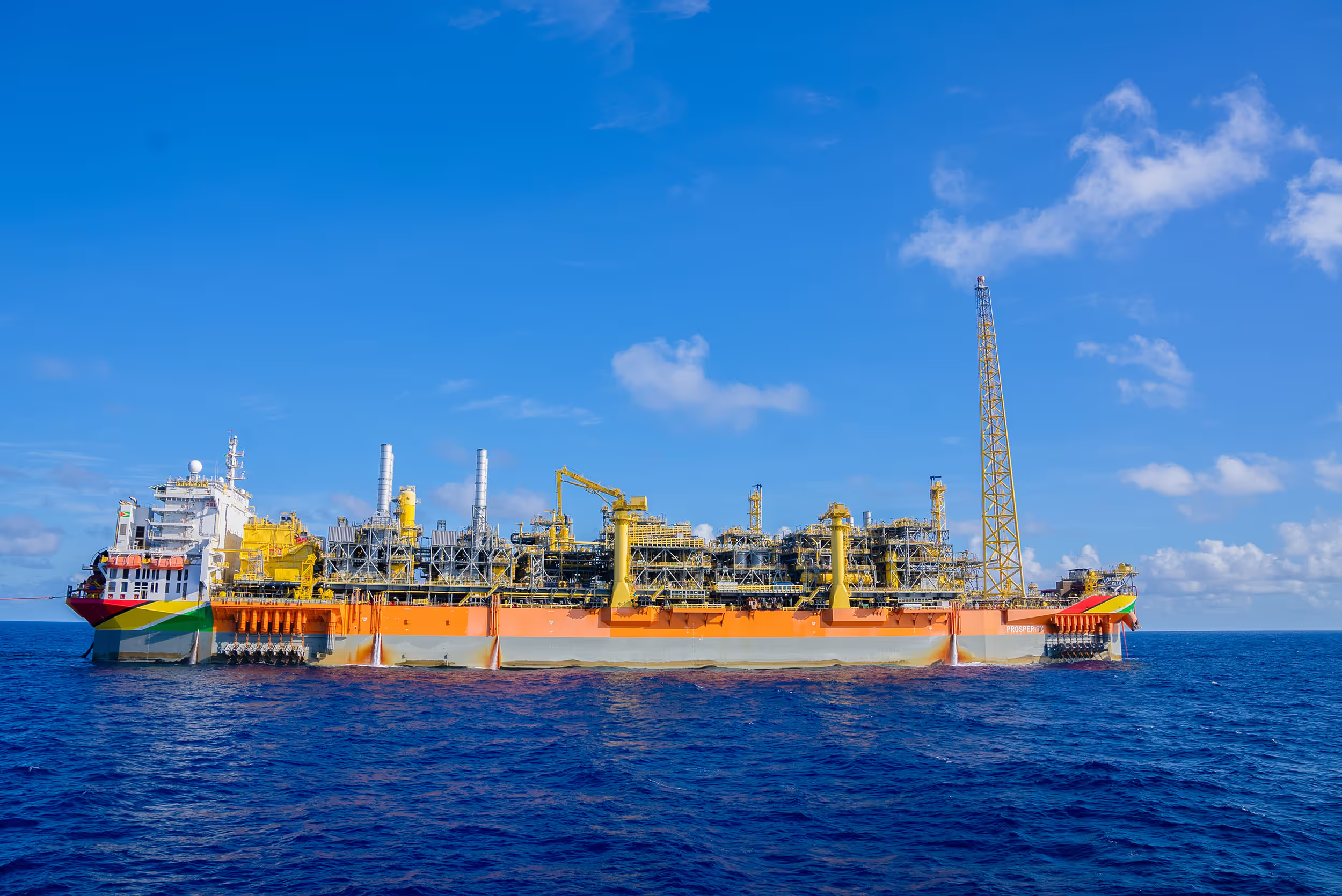
Guyana is now a major crude oil producer, but it continues to depend on imported refined petroleum products to meet domestic demand.
The cost of importing those products is influenced by international prices, shipping and transportation expenses, storage arrangements and other supply-chain costs.
Reducing some of those expenses could help ease pressure on the price of fuel and the operating costs of businesses that depend heavily on transportation.
However, none of the three options has been confirmed as a final government decision.
The potential savings from larger storage facilities are estimates cited by the President, not a guaranteed reduction in pump prices. A refinery would also require substantial investment and a detailed assessment of its commercial and technical feasibility.