

















Sawmills in Region 10 are being asked to operate outside peak electricity hours as Linden and the wider region face a growing power demand that is now putting pressure on the local grid.
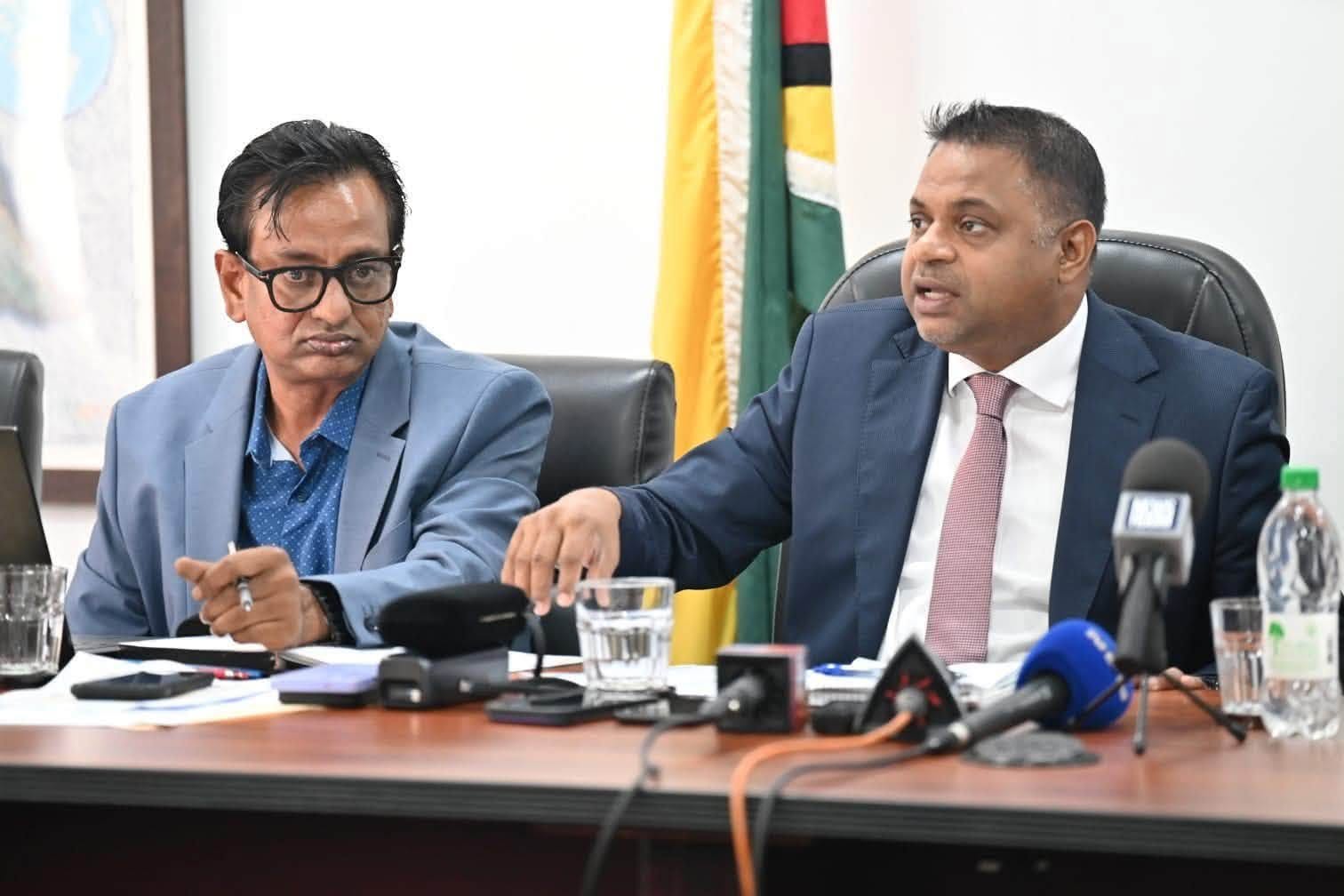
Minister of Public Utilities and Aviation Deodat Indar said at a press conference at the Office of the Prime Minister on Friday that Region 10 is currently the only part of the country experiencing a generation shortfall.
He said electricity demand in Linden reached 15.1 megawatts two nights ago, while Bosai, the main generation company supplying the Mackenzie and Wismar areas, is currently providing about 14.1 megawatts.
Indar said the situation is being driven in part by a surge in economic activity, particularly the rapid growth of sawmilling.
According to the Minister, there are now 32 sawmills operating in Region 10, some 24 on the Mackenzie side, managed by the Linden Electricity Company Incorporated (LECI), and eight on the Wismar side.
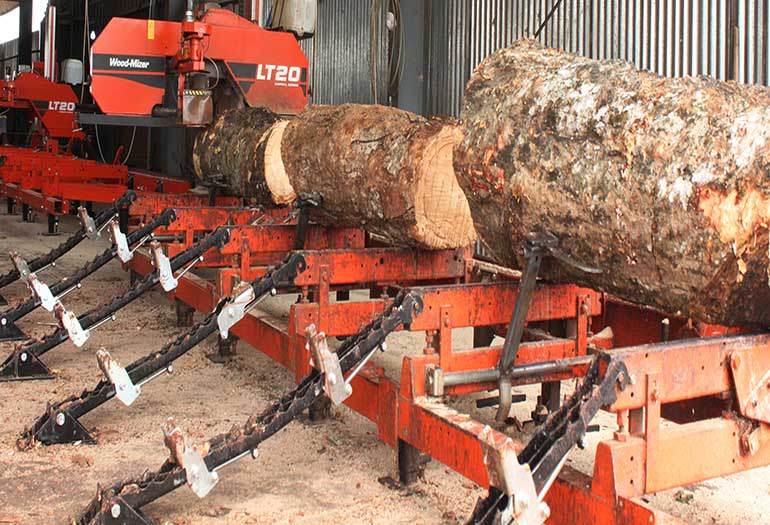
Many of the sawmills use Wood-Mizer equipment powered by high-speed motors, which consume significant amounts of electricity.
Indar said the government met with the sawmillers and has asked them to operate mainly between 10 p.m. and 6 a.m., when overall demand on the grid is lower.
The move is intended to prevent the sawmills from adding to the pressure on the system during the two daily peak periods.
Indar said Linden typically experiences one peak between 1 p.m. and 3 p.m., and another between 7 p.m. and 9 p.m.
The government is also working to separate electricity connections where some sawmill operators currently have their business and household on the same meter.
Indar said this would allow the commercial operation to be managed separately while ensuring that the household is not disconnected when action is taken to reduce the sawmill's electricity use.
He also said the government is engaging Bosai on the possibility of adding another three megawatts of generation capacity to the Region 10 grid.
The situation in Linden comes as electricity demand continues to climb nationally.
Indar said the national grid recorded a peak demand of 242.64 megawatts on Wednesday night, the highest recorded level to date, while reliable generation currently stands at about 256 megawatts.
Last year, peak demand was about 221 megawatts.
GPL planners expect demand to rise to around 266 megawatts during August, September and October, putting additional pressure on the system during the hot season.
The government is responding with a number of measures, including asking large customers with their own generating capacity to come off the grid during peak periods.
Government buildings are also being asked to switch off unnecessary lights and appliances, while the public is being encouraged to conserve electricity.
Indar said additional generation is also being brought into the system. A 9.3-megawatt engine at Garden of Eden is expected to arrive by Monday, with other interventions expected to bring additional capacity by the end of August.
In Region 10, longer-term plans also include solar generation. Indar said two solar projects at Dakoura and Block 37 are expected to add about 7 megawatts to the Linden grid by the end of the year, while another 8-megawatt solar plant is planned for Retrieve next year.
The government is also continuing work to strengthen the national transmission and distribution network as demand grows.
Indar said more than 1,000 transformers have been replaced this year, alongside network extensions and other maintenance works.
But for now, the immediate pressure in Region 10 is being felt in Linden, where growing economic activity has pushed electricity demand beyond the generation available from the existing system.
The government is therefore looking to sawmillers to shift some of their operations to the hours when the grid has more room to breathe.



.png)
.jpg.jpeg)