
















Guyana’s first Gas-to-Energy turbine remains on track to start generating electricity by the end of 2026, Public Utilities and Aviation Minister Deodat Indar said Friday, while assuring that there are no problems with the gas pipeline leading to the Wales power plant.
The update comes as Guyana faces record electricity demand and looks ahead to what the government says will be a major shift in the country’s power generation system.
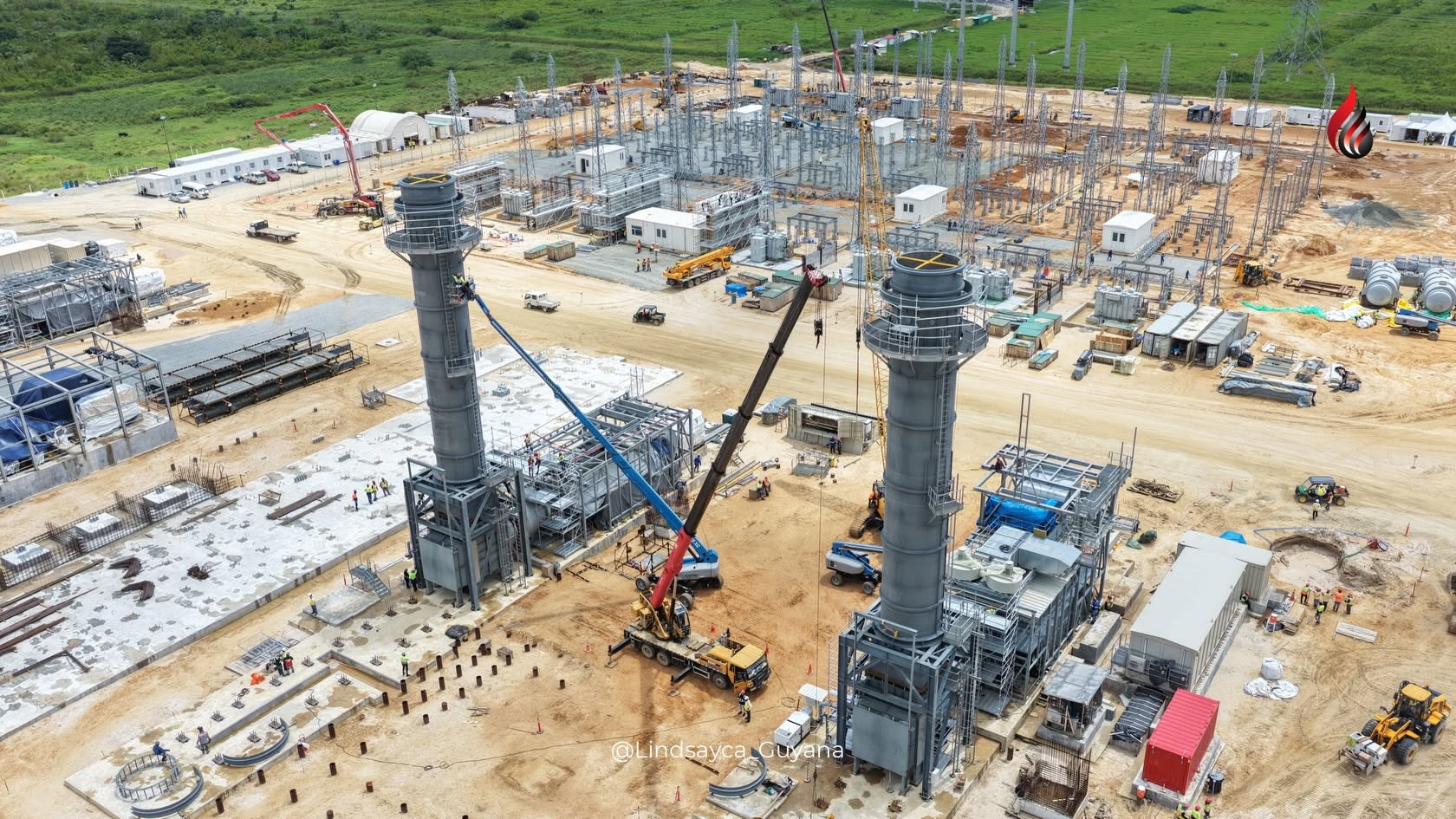
Indar said the first of the four gasturbines is expected to come online before the end of the year, with the remaining turbines to follow in 2027. With the first turbine, 57 megawatts of power will be available for consumption.
Altogether, the four gas turbines are expected to produce a combined 228 megawatts, while the wider combined-cycle facility is designed to reach 300 megawatts.
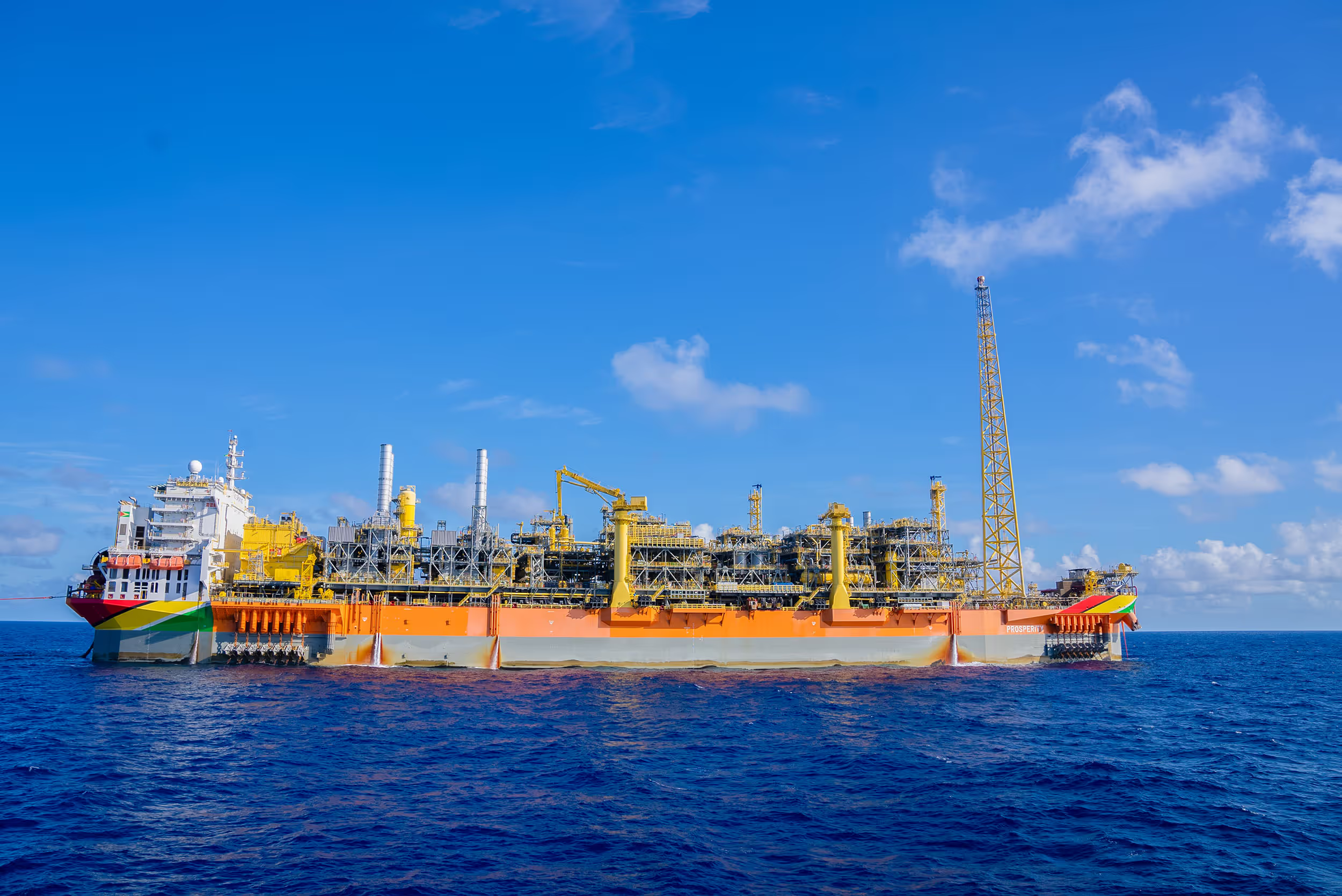
Indar and Prime Minister Mark Phillips also addressed questions about the gas pipeline connecting the offshore gas supply to the Wales facility.
He said there is no problem with the pipeline, which has already been installed and is currently filled with nitrogen to preserve the system until it is ready to transport natural gas.
The pipeline will eventually carry natural gas to the power plant, where it will be used to generate electricity.
The reassurance comes as questions have been raised about the status of the pipeline and whether any issue could affect the start-up of the project.
Phillips said the pipeline is intact and is simply awaiting the point when the system is ready to begin receiving gas.
For ordinary Guyanese, however, the biggest question is what the project will mean for their electricity bills.
Phillips reminded Gas-to-Energy is expected to significantly reduce the cost of generating electricity because Guyana will move away from expensive heavy fuel oil towards natural gas.
He put the expected generation cost fromthe gas-fired plant at about US$0.05 per kilowatt-hour, compared with the much higher cost associated with the temporary heavy-fuel-oil generation currently being used.
Indar explained that GPl and the powerships currently helping to supply the grid use heavy fuel oil, making their generation more expensive.Once Gas-to-Energy is producing sufficient electricity, Guyana will have the capacity to reduce its dependence on those temporary units.



.png)
.jpg.jpeg)