
















The Government is seeking another G$8 billion to help the Guyana Power and Light Inc. (GPL) cover fuel costs and avoid passing those expenses on to electricity consumers, even as international oil prices have started to retreat from earlier highs.
The additional funding forms part of G$11.3 billion being requested for electricity providers across Guyana in supplementary financial papers presented to the National Assembly on Wednesday by Finance Minister Dr Ashni Singh.
According to the Ministry of Finance, G$8 billion of that amount is earmarked for GPL, while the remaining resources will support electricity providers serving communities including Linden, Mabaruma, Mahdia, Port Kaituma, Moruca and Matthew's Ridge.
The Government said the additional funding is necessary because of higher fuel costs associated with international developments.
It has maintained that it intends to absorb those costs rather than allow electricity tariffs to increase.
The request comes against a changing international oil market.
On Wednesday, Brent crude, a major benchmark used to track international oil prices, fell by US$1.19, or 1.28%, to settle at US$91.95 per barrel.
US West Texas Intermediate crude also declined, settling at US$83.26 per barrel.
Reuters reported that prices weakened after official US data showed crude oil inventories increased by 3.4 million barrels in the week ending November 13, adding to concerns about excess global oil supply.
The decline follows months of volatility in international energy markets, during which prices rose sharply amid disruptions and uncertainty surrounding oil shipments from the Middle East.
The Finance Ministry said oil prices had climbed from approximately US$71 per barrel before the conflict escalated at the end of February to more than US$144 per barrel in April.
Although prices have since fallen, the Government says the earlier increases have placed additional pressure on electricity providers.
For GPL, which relies heavily on imported petroleum products to generate electricity, fuel remains a major operating expense.
However, a decline in international crude prices does not automatically translate into an immediate reduction in the utility's fuel bill.
The actual cost depends on the petroleum products being purchased, the prices agreed with suppliers, shipping and other charges, and when those purchases are made.
The Ministry's latest statement does not disclose GPL's current monthly fuel expenditure, how much it has already spent this year or the extent to which the recent decline in oil prices could reduce future costs.
Those figures are important in understanding the continued financial support required to keep electricity tariffs unchanged.
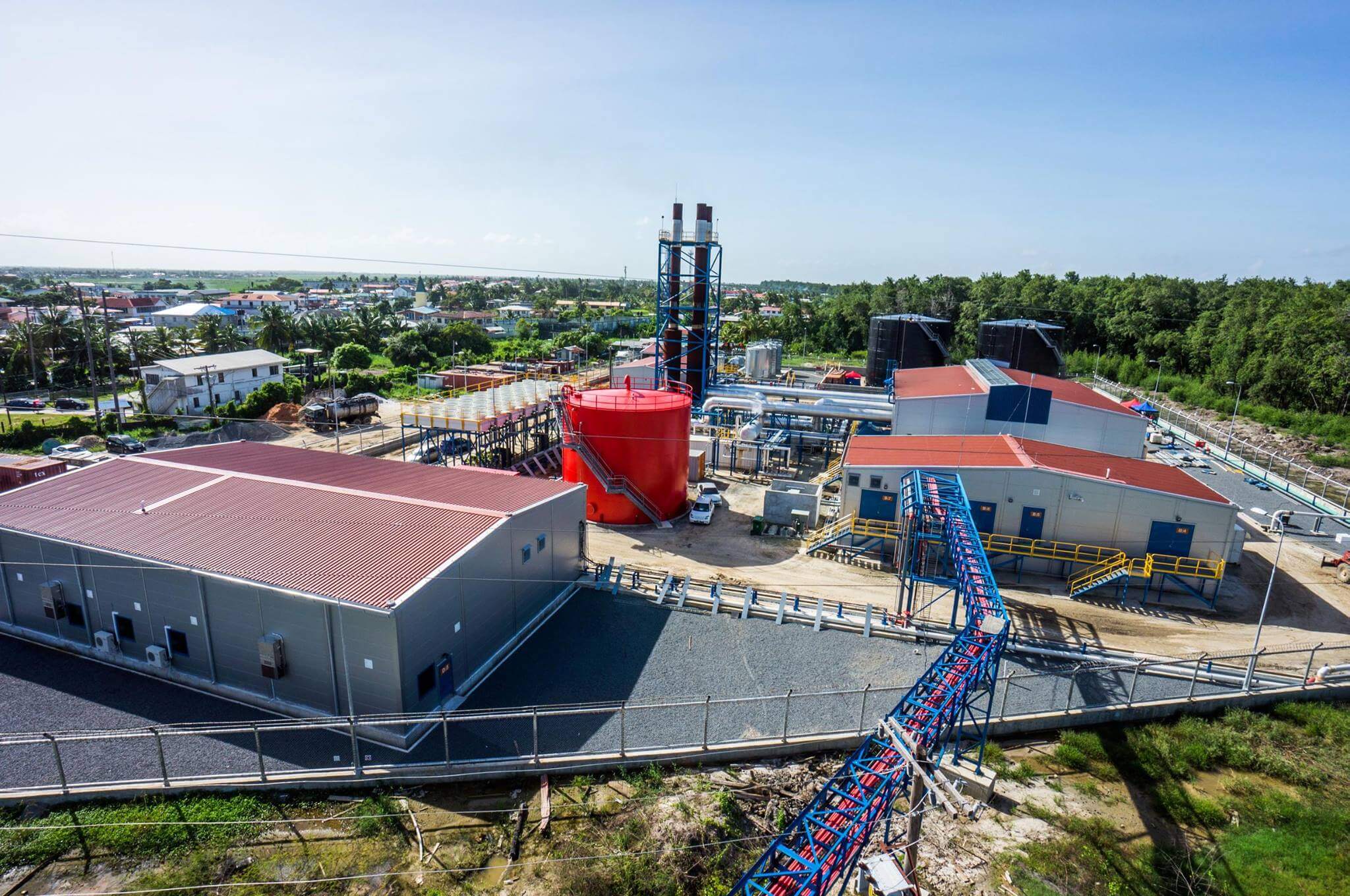
The additional G$8 billion also comes as Guyana prepares to begin generating electricity from natural gas at the Gas-to-Energy project at Wales.
The first turbine is expected to add approximately 57 megawatts to the national grid before the end of the year, with more generating capacity scheduled to follow in 2027.
The Government expects the project to reduce the country's reliance on imported fuel and lower electricity generation costs.
Until that transition takes place, however, GPL remains exposed to changes in international fuel prices.