
















… expands energy partnership with Guyana
Jamaica is expanding its energy partnership with Guyana, as it eyes the possibility of becoming an oil producer itself.
Jamaican Prime Minister Andrew Holness travelled to Guyana for a wide-ranging state visit last week. Four major agreements, including one for expanded cooperation in the energy sector, were inked between the two countries.
At a joint press briefing with Holness, Guyana's President Irfaan Ali confirmed that a working group will examine how the two countries can collaborate in the energy sector. The Guyanese leader said there are already "exciting ideas" in the mix.
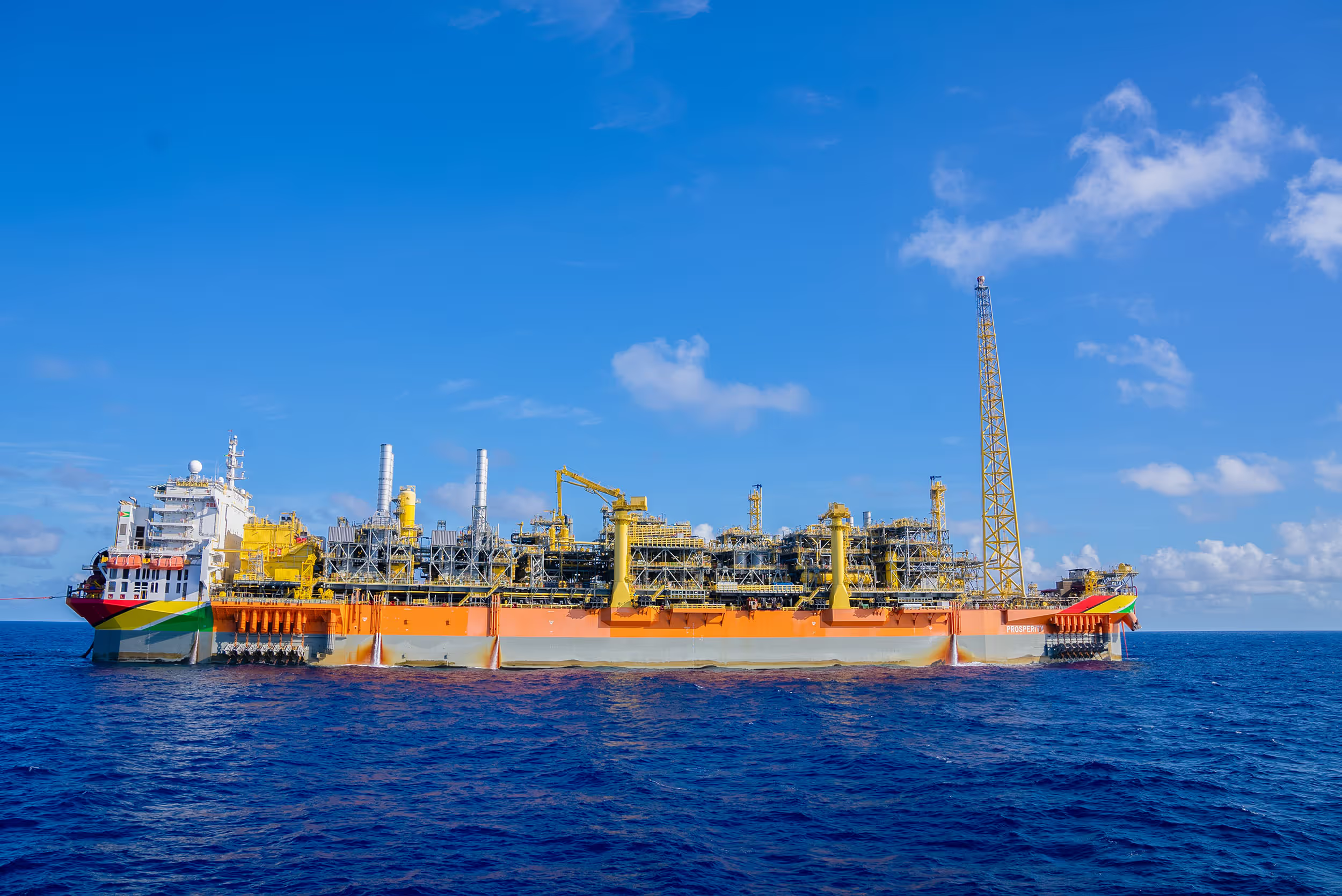
Guyana has become a global oil hotspot following significant oil and gas finds in the Stabroek Block, where production started in December 2019. As production continues to climb, the country is exploring the downstream sector, from harnessing its natural gas to power households and industries onshore to refining some of its crude oil.
President Ali has been pursuing regional partnerships, and the new agreements with Jamaica come as the island eyes its own offshore developments. At the 2026 Suriname Energy, Oil and Gas Summit, an event in Paramaribo that Holness attended before travelling to Guyana, the Jamaican leader highlighted that offshore production could bolster the region’s energy security.
“Among Guyana, Suriname, Trinidad and Tobago, and perhaps in time others, including Jamaica, this region holds world class resources that open an opportunity we have never had before: energy security supplied within our own family,” he said.
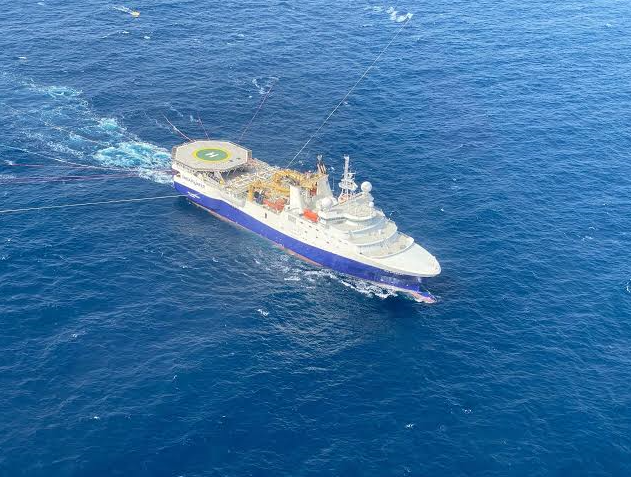
United Oil and Gas, a British company, has been searching for oil and gas off Jamaica’s south coast at the Walton-Morant basin. In April 2026, the company confirmed that there were successful findings from tests on seabed samples.
“We are seriously exploring our offshore frontier, and early-stage seabed work completed this year has returned encouraging preliminary signs of a working petroleum system. While these are early days and no promises are being made, we are cautiously and prayerfully optimistic,” Holness added at the summit.
Like other states within the Caribbean Community (CARICOM), Jamaica has a high fuel import bill and a growing demand for energy. Oil production could provide much-needed relief to the country, even as it seeks to expand renewable energy use. The country already has an oil refinery —the State-owned PetroJam facility — which processes imported crude oil from South American producers like Brazil and Colombia.
However, the same paradox confronting other Caribbean nations, including the oil producers, faces Jamaica: the threat of climate change. The global fossil fuel industry is a major contributor to the worsening climate crisis. And Jamaica knows all too well the impact of climate change, as just last October it was hard-hit by Hurricane Melissa.
Holness told the Suriname conference that development plans must factor in both of these realities.
“Because we are realists about the climate, we must also be realists about energy. The responsible path is not oil or renewables. It is a pragmatic mix — oil, gas, solar, hydro, and eventually, nuclear. That keeps the lights on while we build a cleaner future our children deserve,” he explained.
With its own ambitions and collaboration with regional partners, Jamaica could be developing an energy mix that helps power itself and the wider region.



.png)