
















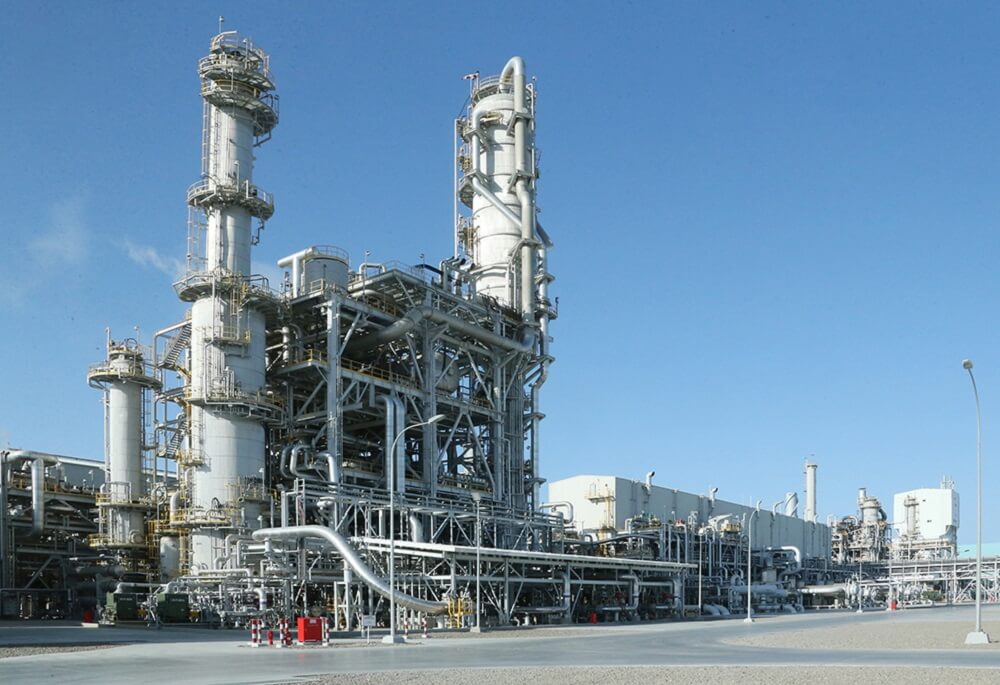
Guyana is evaluating proposals for the construction and operation of an ammonia and urea plant as the country explores ways to make greater use of its natural gas resources beyond electricity generation.
The proposal is one of two gas-related ventures currently being evaluated by the government, according to the Ministry of Finance's Mid-Year Report.
The government is also evaluating proposals for the design, engineering, construction and operation of the Guyana Gas Bottling and Logistics Company.
An award for the two ventures is expected during the second half of 2026, the report states.
The projects are being considered as Guyana advances its broader strategy to harness its offshore natural gas resources.
The government's Gas-to-Energy project remains the most immediate component of that strategy.
Phase I is expected to bring its first gas turbine online by the end of 2026, while the combined-cycle gas turbine plant is expected to be completed during the first half of 2027.
A second phase, which would add another 300 megawatts of gas-fired generation, is also being evaluated.
But the ammonia and urea proposal potentially takes Guyana's gas strategy into a different area: industrial production.
Ammonia and urea are closely associated with the fertiliser industry, making such a facility potentially relevant to Guyana's agriculture sector and its ambition to increase domestic production and reduce production costs.
The Mid-Year Report itself, however, does not provide details on the proposed plant's production capacity, location, expected investment cost, proposed ownership structure, feedstock arrangements or potential output.
What the report does confirm is that the government is considering the full design, engineering, construction and operation of the venture rather than simply a supply arrangement.
Guyana's agricultural sector is being developed alongside the country's energy economy, while global fertiliser prices have also been affected by geopolitical disruptions.
The government noted earlier in the report that fertiliser prices were affected by the global turmoil during the first half of 2026.
An ammonia and urea plant could consequently sit at the intersection of Guyana's two major development objectives: using its natural resources to build new industries and reducing the vulnerability of domestic production to international commodity and supply-chain shocks.
But the project remains at the proposal-evaluation stage.
The government's expectation is for awards in the second half of the year.



.png)
.jpg)


.png)