















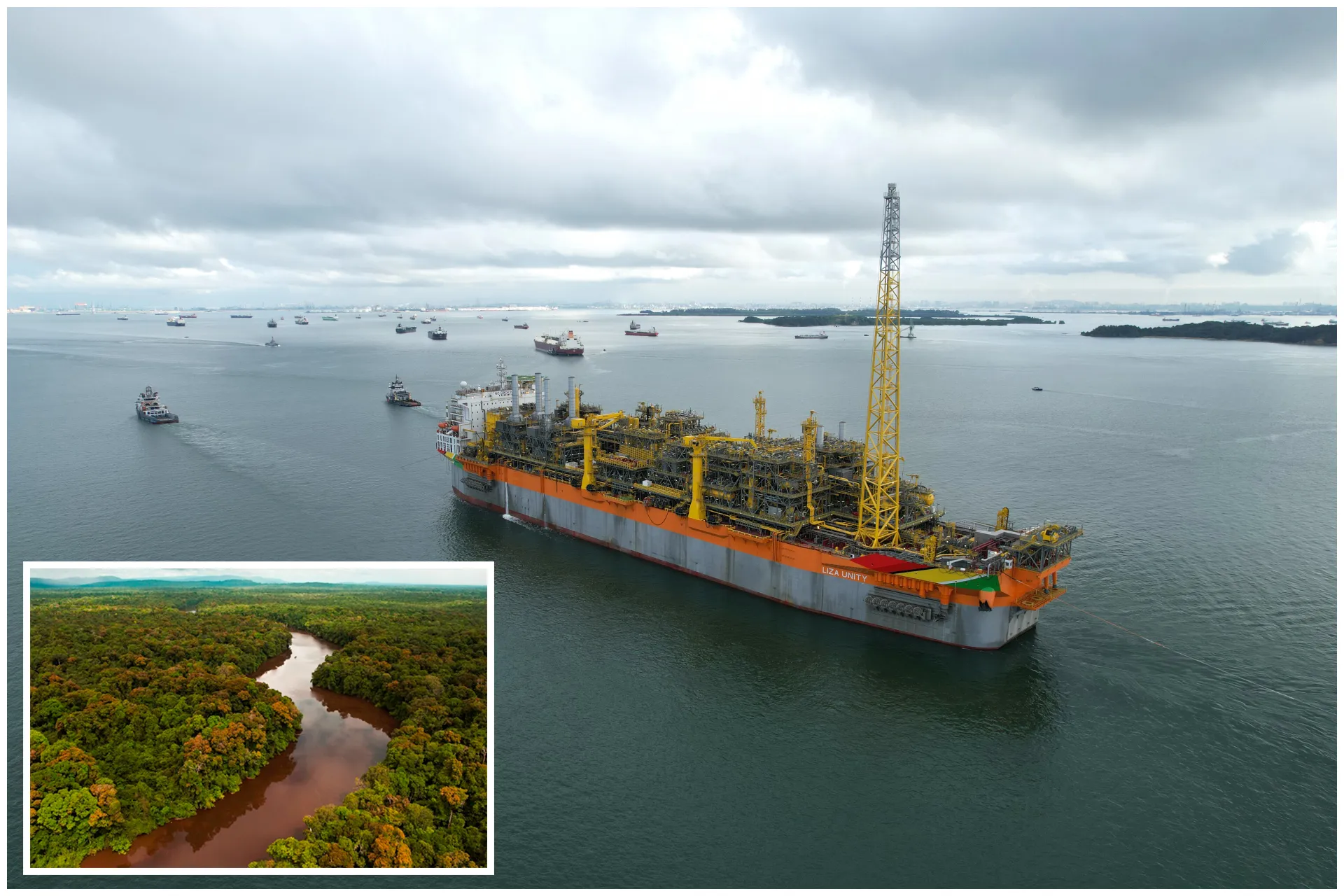
Guyana, like most countries, is feeling the squeeze of global economic shocks, be it the US/ Iran conflict and the closure of the Strait of Hormuz, or the enduring Russia/ Ukraine crisis. The conflicts seem faraway, but their impact lands close to home— the cost of fuel at the gas station, rising food prices, and even increased minibus fares.
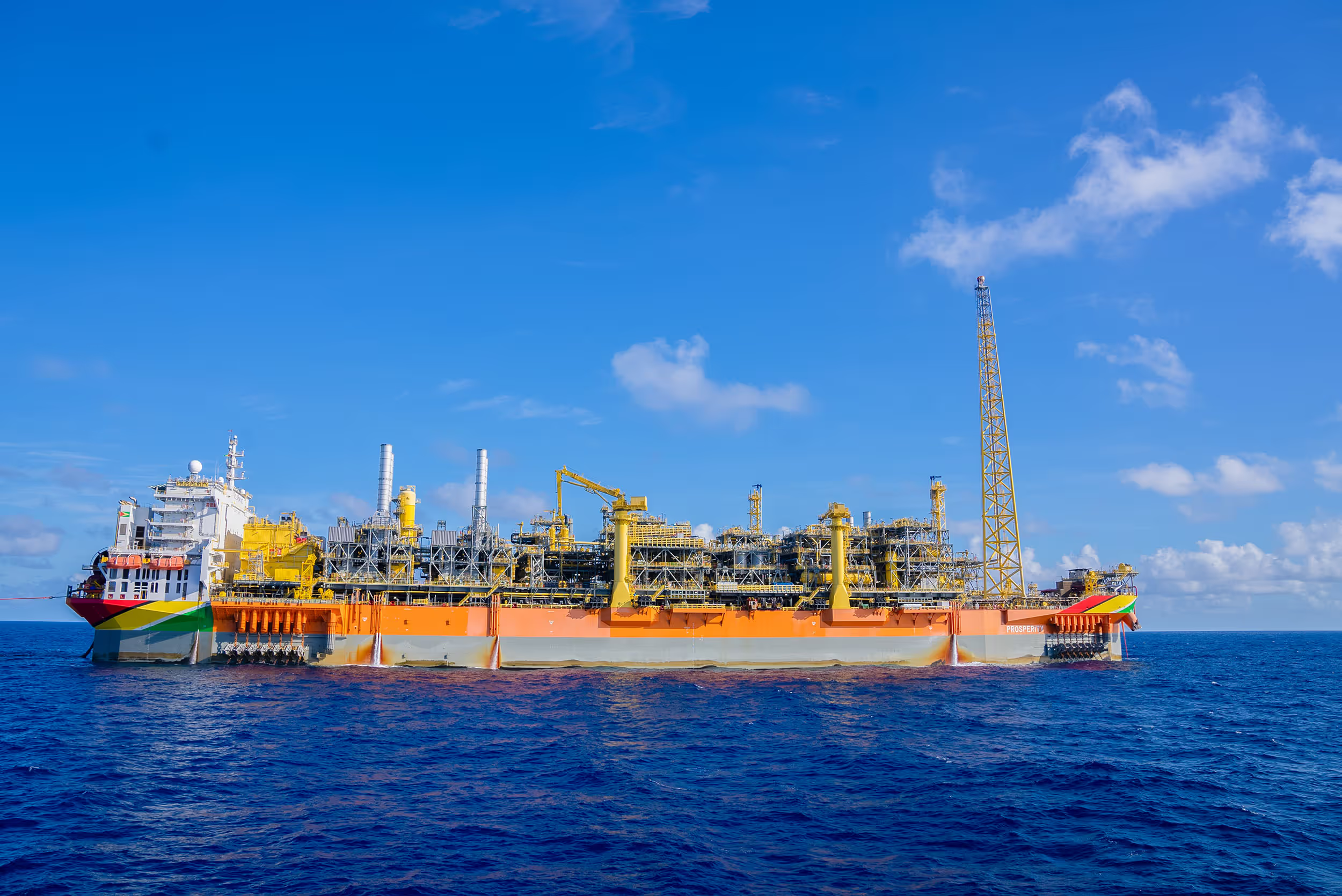
So it's no secret why Guyana wants to capitalise on its oil wealth. Not just to produce and export over 1.5 million barrels daily by the end of the decade but to also refine some of that crude oil into usable petroleum products, and harness natural gas to fire power plants that generate electricity and fuel fertiliser plants, so it becomes cheaper to grow more food.
And many understand the logic. Even Dr. Ulric Trotz, a prominent Caribbean scientist who has spent decades shaping climate change resilience across the region. Transitioning away from fossil fuels is crucial to saving the planet, but there are real demands to be met right now, too.
He acknowledged that dual consideration at a recent conference organised by Guyana-based think-tank the Centre for International and Border Studies (CIBS).
“There is this tension between energy and environmental concerns around energy industries,” Dr. Trotz said.
But he believes there can be a fair path forward. He urged CARICOM member states to jointly develop the region's oil, gas, and fertiliser industries — a move he argues could drastically reduce the Caribbean's hefty import bill and shield the region from global economic shocks. New regional institutions, he added, should be established to better support that collaboration.
Still, the scientist advised countries against neglecting the environment.
“Energy, fertilisers, logistics, and manufacturing growth should not only create export revenue. A portion of that should be directed towards a stewardship fund that directly finances people, communities, and the environment,” Dr. Trotz said.
Guyana isn’t a stranger to balancing both considerations. For years, it has maintained large swathes of forests, mostly home to the country’s indigenous peoples and rich biodiversity. That focus on conservation remains even amid the production of over 900,000 barrels of oil daily; the government has pledged to legally protect about 30% of the country's landmass. A stewardship fund of the kind Dr. Trotz envisions could be the mechanism that keeps it that way — not just for Guyana, but for the wider Caribbean.
So as countries in the region figure out how to capitalise on the resource wealth, there must be enough foresight to safeguard communities and maintain access to clean water, pristine forests, and intact ecosystems. Energy security, yes — but protecting the environment matters too.



.png)
.png)