

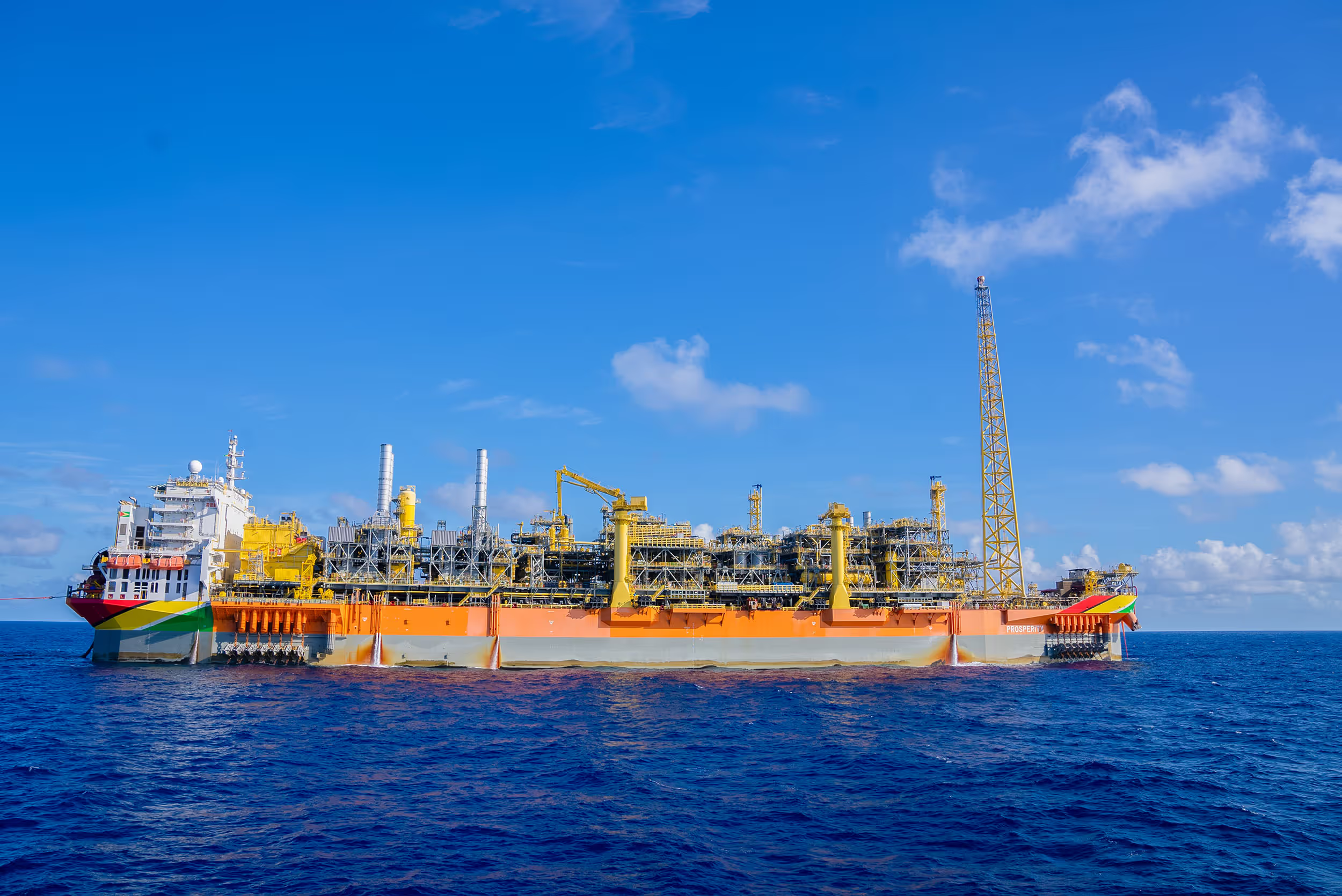














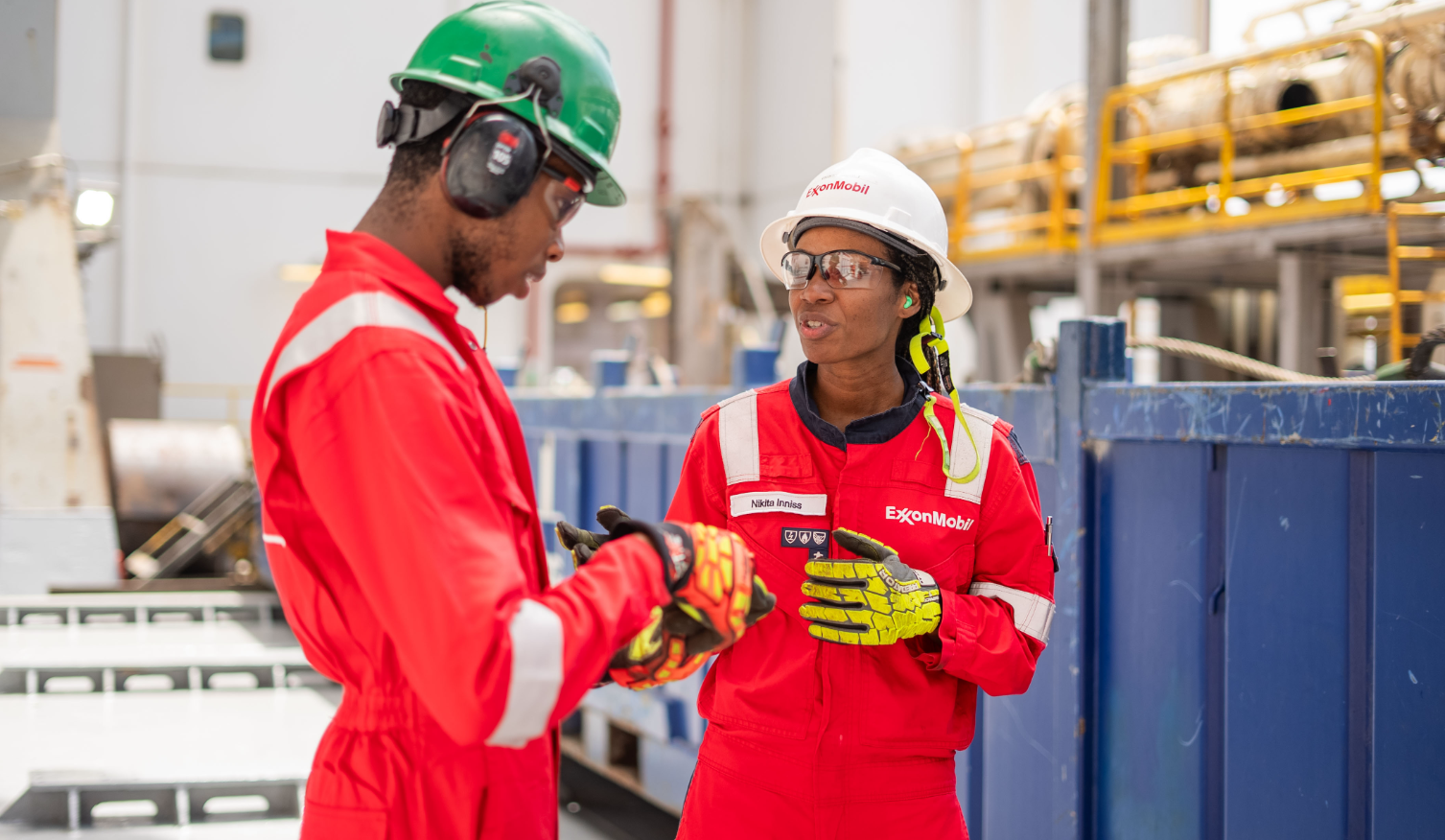
Guyana's expanding offshore oil industry is creating demand for a growing range of specialised technical and operational workers, with MODEC now recruiting for positions linked to its Guyana operations.
MODEC's Guyana careers platform currently lists positions including control room operators, crane operators, engine room supervisors, integrity engineers, offshore integrity inspectors, offshore process engineers and utility operators.
The recruitment drive provides a glimpse into the type of technical workforce required as Guyana's offshore industry expands.
MODEC says it has more than 6,300 employees globally and operations in 18 countries. The company currently has 20 FPSOs and FSOs operating worldwide and more than 360 cumulative years of operations and maintenance experience.
Its Guyana operations are growing alongside the country's offshore production.
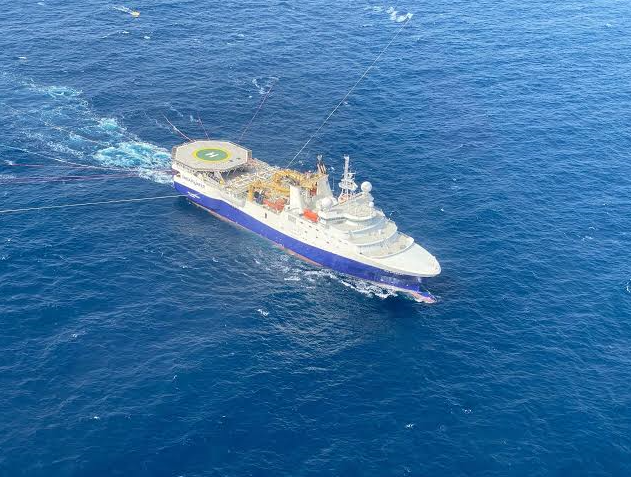
MODEC is constructing the Errea Wittu FPSO for Uaru and the Essequibo 1899 for Hammerhead.
The Hammerhead FPSO is expected to begin production in 2029 and will be supported by 10 years of MODEC operations and maintenance services.
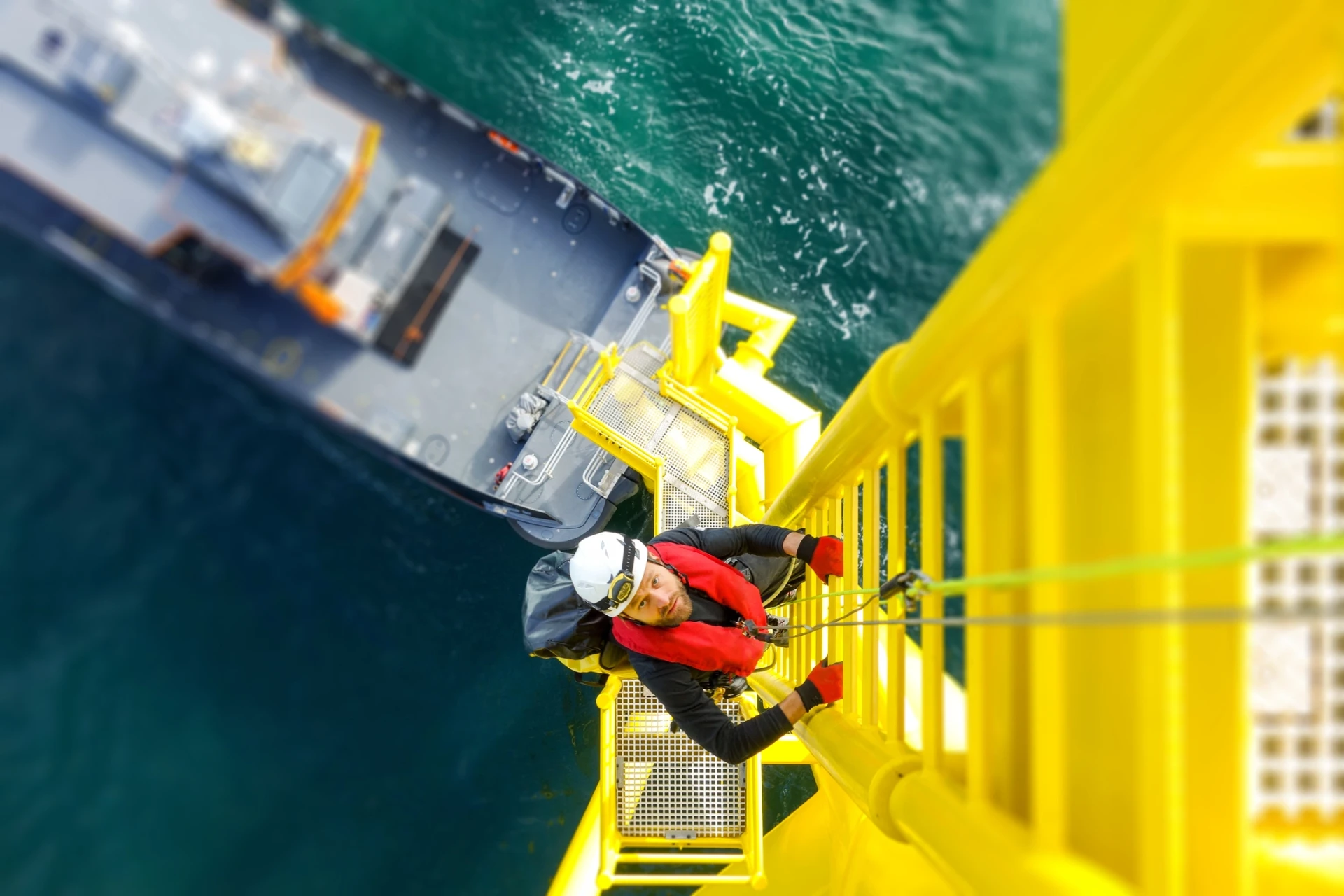
That creates demand for personnel capable of working both offshore and onshore.
The roles currently advertised by MODEC range from marine and production operations to maintenance and engineering.
The growth of this specialised workforce is taking place against a wider expansion of Guyana's oil-and-gas labour market.
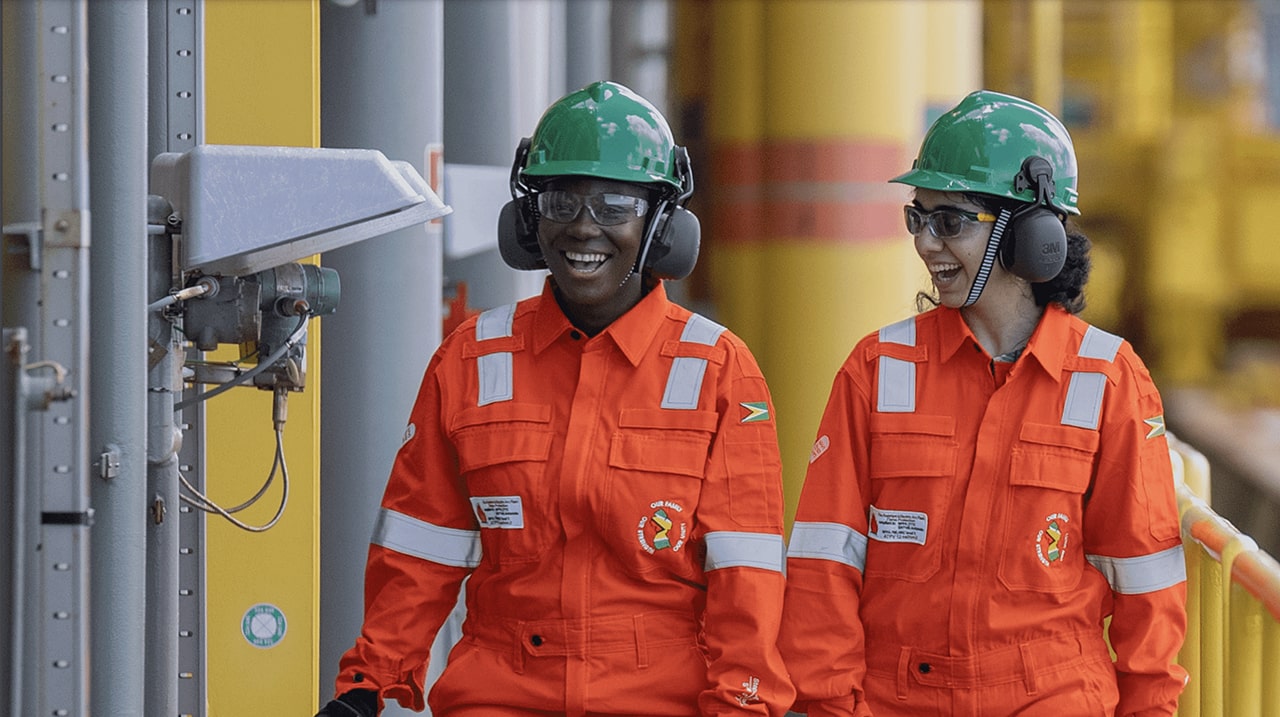
ExxonMobil said in September 2025 that approximately 6,200 Guyanese were working in support of Stabroek Block operations, representing about 70% of its workforce. The company also reported more than US$2.9 billion in spending with Guyanese suppliers since 2015.
The company's 2024 annual report similarly reported that Guyanese made up 67% of the total oil-and-gas workforce and that more than 2,000 local suppliers had been engaged since 2015.
MODEC's arrival therefore adds another layer to the local-content conversation.
The key issue is not simply how many jobs the industry creates, but what kinds of skills Guyanese workers are developing and whether those skills can support careers beyond individual projects.
As Guyana moves from its early production phase into a period of multiple simultaneous offshore developments, demand is likely to extend beyond traditional oil-sector jobs into engineering, marine operations, maintenance, logistics, safety and asset integrity.



.png)