
















September is shaping up to be a major month for Guyana’s oil revenues, with the government scheduled to lift 12 cargoes of crude from the Stabroek Block, roughly 12 million barrels of oil in a single month.
The scale of those lifts reflects a dramatic change in Guyana’s position within the offshore development.
The country, which only recently collected a fraction of the oil produced from the Stabroek Block, is now taking close to 40% of the barrels being lifted, following the completion of cost recovery on the oil companies’ massive investment in the block.
And September is expected to be the biggest month yet in the current schedule.
Guyana is scheduled to lift 12 cargoes in September, followed by 11 cargoes in October and another 10 in November. At roughly one million barrels per cargo, that represents approximately 33 million barrels scheduled to be lifted by the government over those three months.
That oil will be sold, with the proceeds deposited into Guyana’s Natural Resource Fund (NRF).
Why is Guyana suddenly lifting so much more oil?
The answer lies in a major change in the economics of the Stabroek Block.
ExxonMobil and its partners have now recovered approximately US$55 billion in eligible investment across the projects developed in the block.
That does not mean the companies have stopped spending money on the offshore operations. New projects continue to require billions of dollars in investment.
What it means is that the enormous pool of costs that previously absorbed a large portion of the production has substantially declined.
Under the Stabroek Block agreement, Guyana receives its 2% royalty, after which eligible petroleum costs can be recovered from production, subject to the agreement's cost-recovery provisions. The remaining profit oil is then divided equally between Guyana and the contractors.
As the recoverable investment pool has fallen, the amount of oil available as profit oil has increased sharply.
That is why Guyana's share of the physical crude being lifted has moved from roughly 12.5% previously to about 39.8% in August, with the country's share having remained in the high-30% range since July.
In simple terms, the country is not getting a bigger percentage because the agreement was rewritten.
It is getting more oil because there is now much more oil left over after cost recovery.
September puts the change into perspective
The difference becomes particularly striking when the government's lifting schedule is compared with where it was only months ago.
Guyana lifted just three cargoes in June.
That increased to 10 cargoes in July, with another 10 scheduled for August.
But September takes the schedule to 12 cargoes.
Then comes October, with 11, followed by 10 in November.
The three-month sequence therefore gives Guyana a glimpse of what its oil position could increasingly look like as production continues to rise and the cost-recovery burden declines.
It also means the country is becoming a much larger participant in the physical movement of crude from its own offshore resources.
More oil is coming
The timing is significant because production from the Stabroek Block is also expected to continue rising.
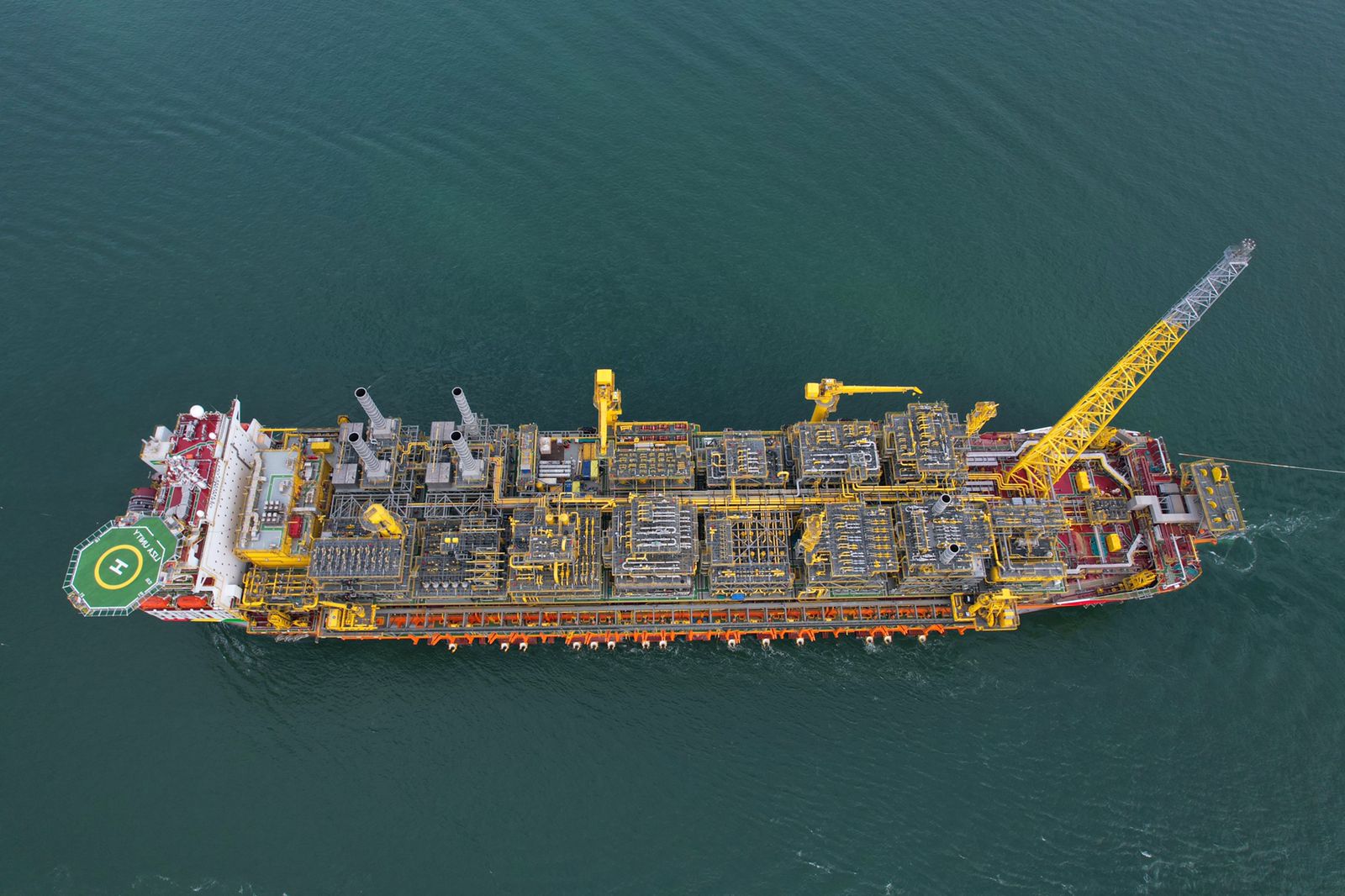
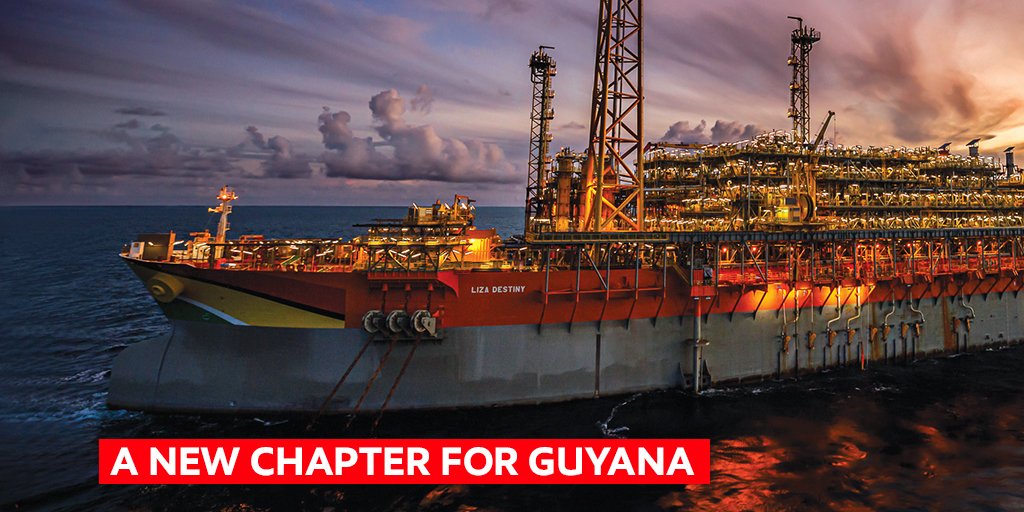
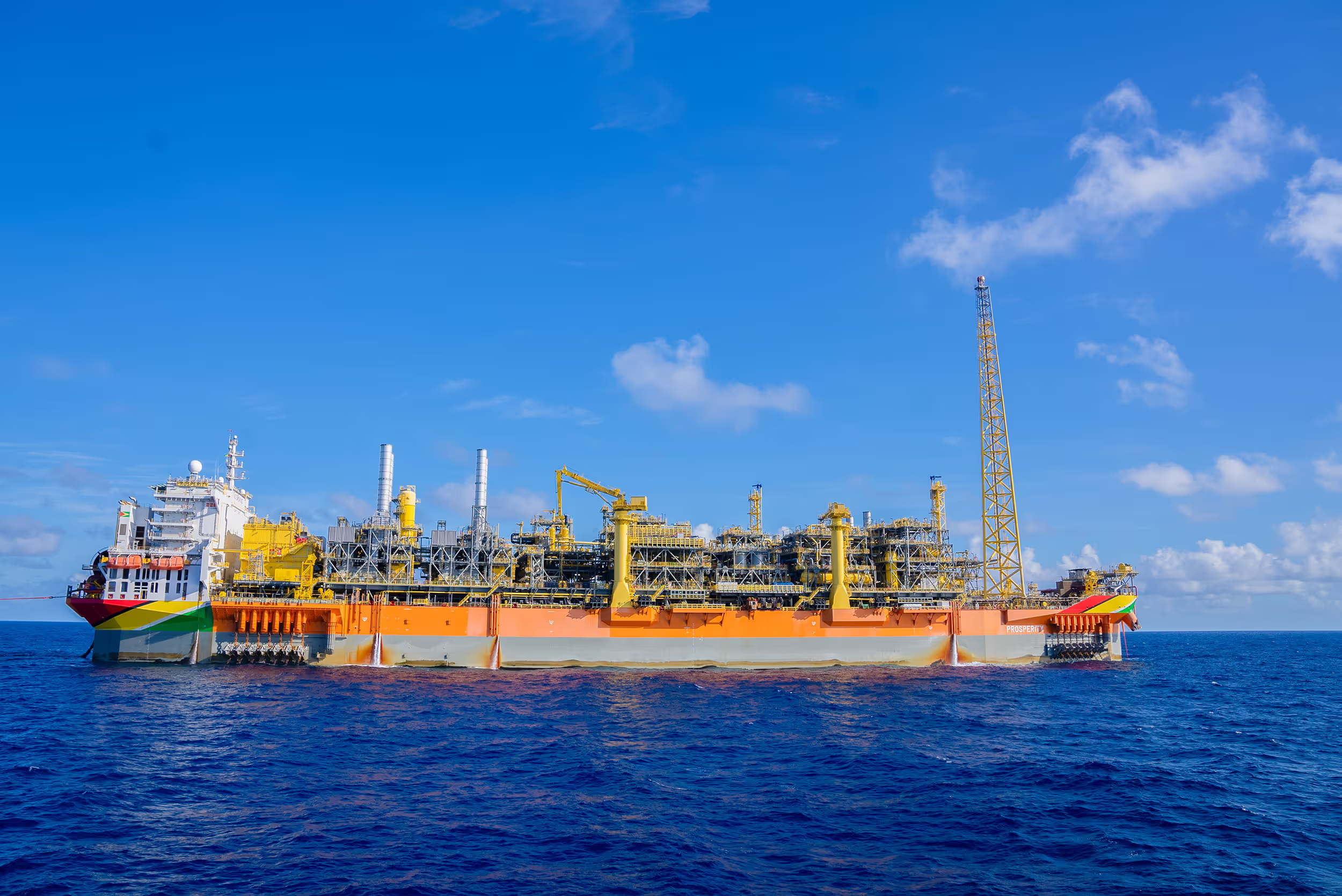
The block is currently producing around 900,000 barrels of oil per day from four producing FPSOs.
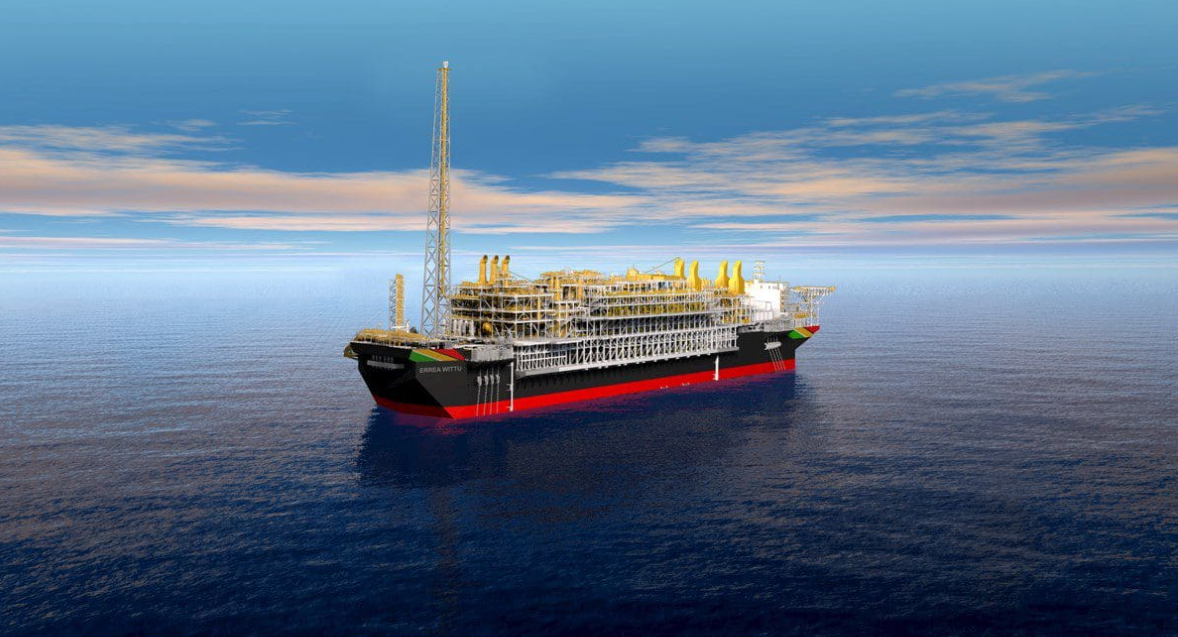
Two more major developments — Uaru and Whiptail — are expected to come on stream in 2027, with each FPSO designed for production of about 250,000 barrels per day.
That would represent another major increase in the volume of crude flowing from the block.
For Guyana, the significance is not simply that more oil will be produced.
If production increases while the amount of oil required to recover eligible costs continues to decline, the pool of profit oil available for sharing can become even larger.
That creates the possibility of substantially greater physical lifts for the government in the years ahead.
But September's 12 million barrels are not guaranteed forever
There is an important caveat.
Guyana's approximately 39.8% share is not a permanent entitlement to a fixed percentage of production.
The country's share is recalculated based on the economics of the block, including production, oil prices and eligible expenditures incurred by the contractors.
That means the number of barrels Guyana lifts can change from month to month.



.png)