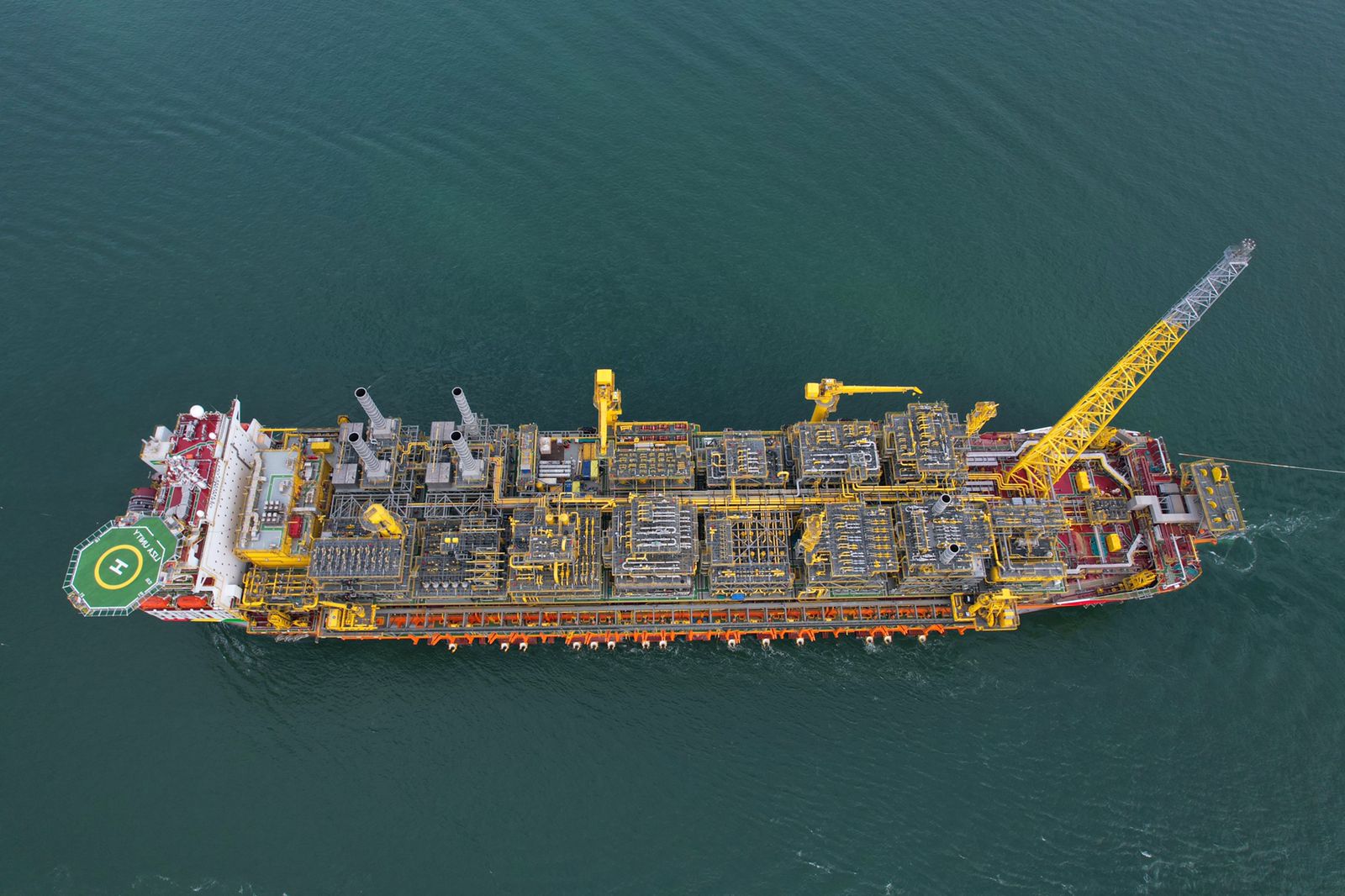
















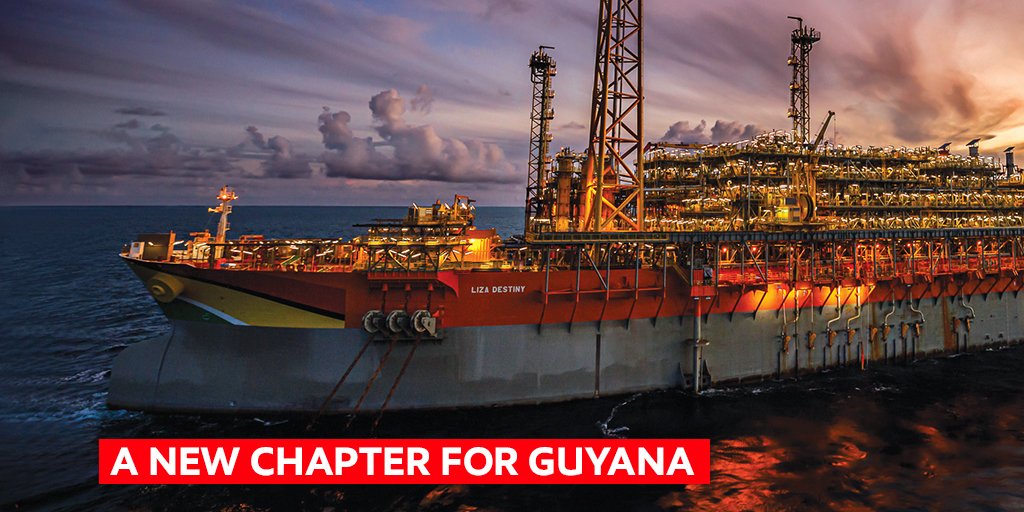
Guyana's oil industry is moving into a different phase.
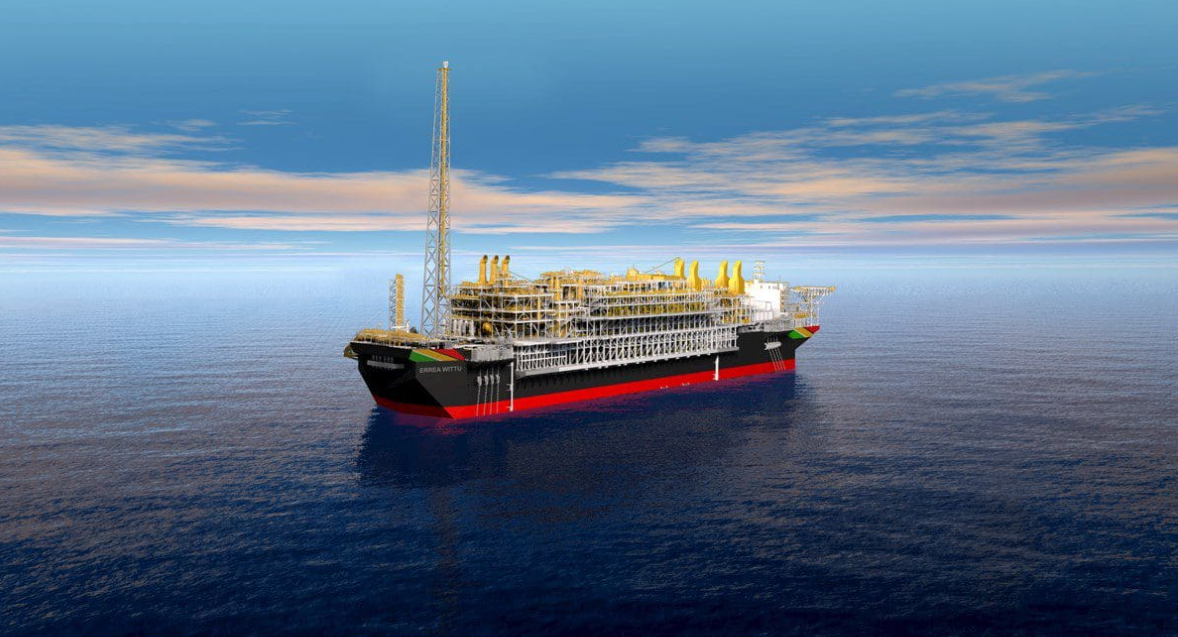
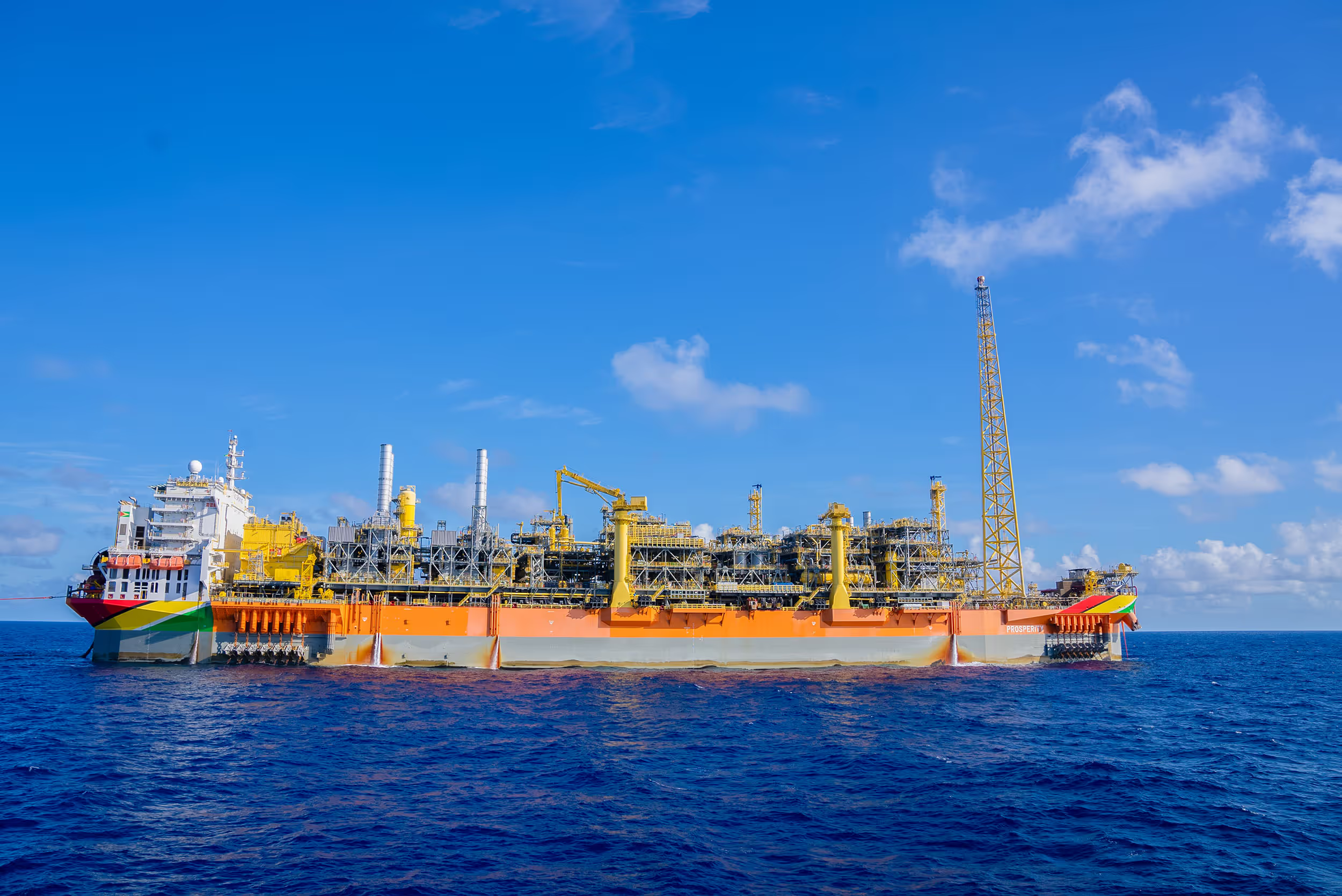
For several years, the central story was discovery, appraisal, project approvals and the rapid construction of FPSOs needed to bring the Stabroek Block's resources into production.
That period has produced extraordinary growth. Guyana's offshore production has already surpassed 900,000 barrels per day, while ExxonMobil and its partners have committed more than US$60 billion to seven sanctioned Stabroek Block developments.
But the next phase is beginning to look different.
The country's oil story is no longer only about how quickly Guyana can bring another development into production. It is increasingly about what government does with a petroleum sector that is becoming larger, more mature and more diversified.
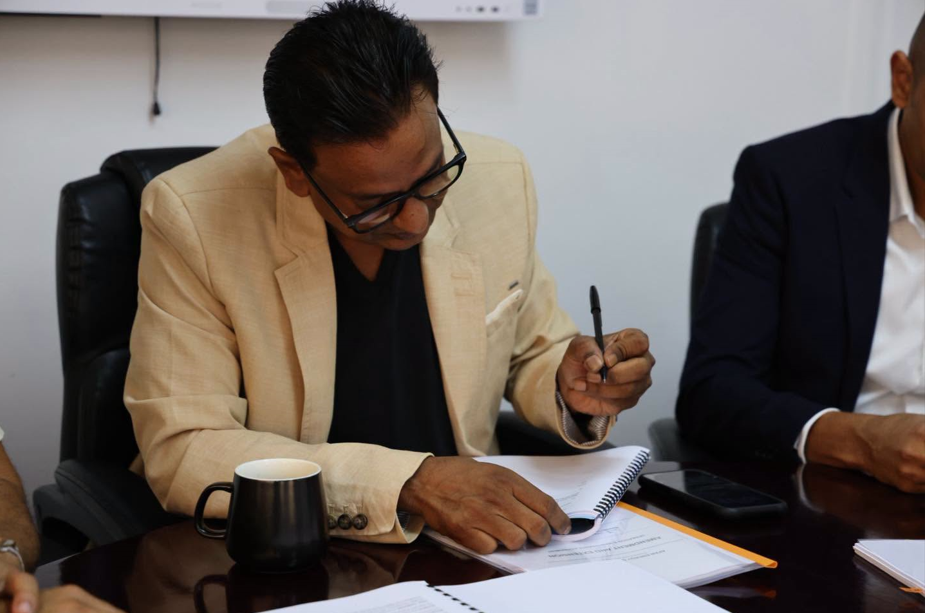
President Irfaan Ali's latest comments provide a glimpse of that transition.
He said government is reviewing how future projects should be treated, considering investment requirements, global industry conditions, sources of capital and future exploration. He also pointed to what he described as greater administrative leverage as Guyana's position in the industry changes.
That is significant because Guyana is no longer approaching investors from the position it occupied before first oil.
The country now has a producing offshore industry, established oilfield infrastructure, a growing domestic supply chain and a government with several years of experience regulating large-scale petroleum operations.
At the same time, Guyana is no longer relying exclusively on the Stabroek Block for future exploration.
New petroleum agreements have been signed under a tougher fiscal regime, including the agreement with TotalEnergies, QatarEnergy and PETRONAS for Block S4. The consortium has since begun seismic exploration, while government is advancing additional blocks and exploration activity.
That creates a second oil story alongside Stabroek: the search for the next Stabroek.
The government-led multi-client seismic programme is also important because it can generate geological information across acreage beyond individual company blocks, potentially helping to attract additional exploration investment. The 2026 budget said government was engaging seismic companies for a multi-client 3D survey across licensed and unlicensed offshore acreage.
The rules for that new era are already different.
Future PSAs use a 10 percent royalty, 10 percent corporate tax and 65 percent cost-recovery ceiling. The first agreement under the new regime has already been signed, meaning Guyana is no longer simply designing a new petroleum framework on paper; it is beginning to test that framework in the market.
The next challenge is therefore less about writing better petroleum agreements and more about building the institutions and infrastructure capable of managing the industry those agreements will create.
That includes stronger petroleum monitoring, maritime oversight, ports, storage, energy infrastructure, local suppliers and digital procurement systems.
Government has already increased spending on petroleum administration and said the additional resources will support offshore monitoring, preparation for new projects, local-content development and regulatory systems. Officials have also described a system in which government agencies maintain personnel aboard FPSOs to monitor different aspects of offshore operations.
The same transition is visible onshore.
Guyana is building shore bases and logistics facilities capable of handling offshore cargo, heavy equipment and subsea operations.
The country's maritime traffic has risen sharply. Its ports are being expanded. Its energy system is being redesigned. Its procurement system is moving toward digital monitoring. And the government is considering larger storage and regional energy infrastructure.
All of these developments point to the same underlying change.
Guyana is moving from an oil-production project to an oil economy
That distinction matters.
An oil-production project is primarily concerned with getting petroleum out of the ground efficiently and safely.
An oil economy has to answer a much wider set of questions about infrastructure, investment, regulation, logistics, skills, energy security, local businesses and regional trade.
Guyana is now confronting those broader responsibilities.
The next era will also be shaped by gas. Longtail is progressing toward regulatory approval and is expected to involve significant non-associated gas production alongside condensate, while other developments are also being assessed for their gas potential.
That means the country's future petroleum industry may not simply be measured in barrels of crude.
It could increasingly be measured in the amount of energy infrastructure Guyana controls, the number of companies it can support, the volume of regional trade it can handle and the extent to which Guyanese institutions can keep pace with an industry that is expanding at extraordinary speed.
The first era established Guyana as an oil producer.
The next era will determine whether Guyana can build the wider energy economy around that production.



.png)