

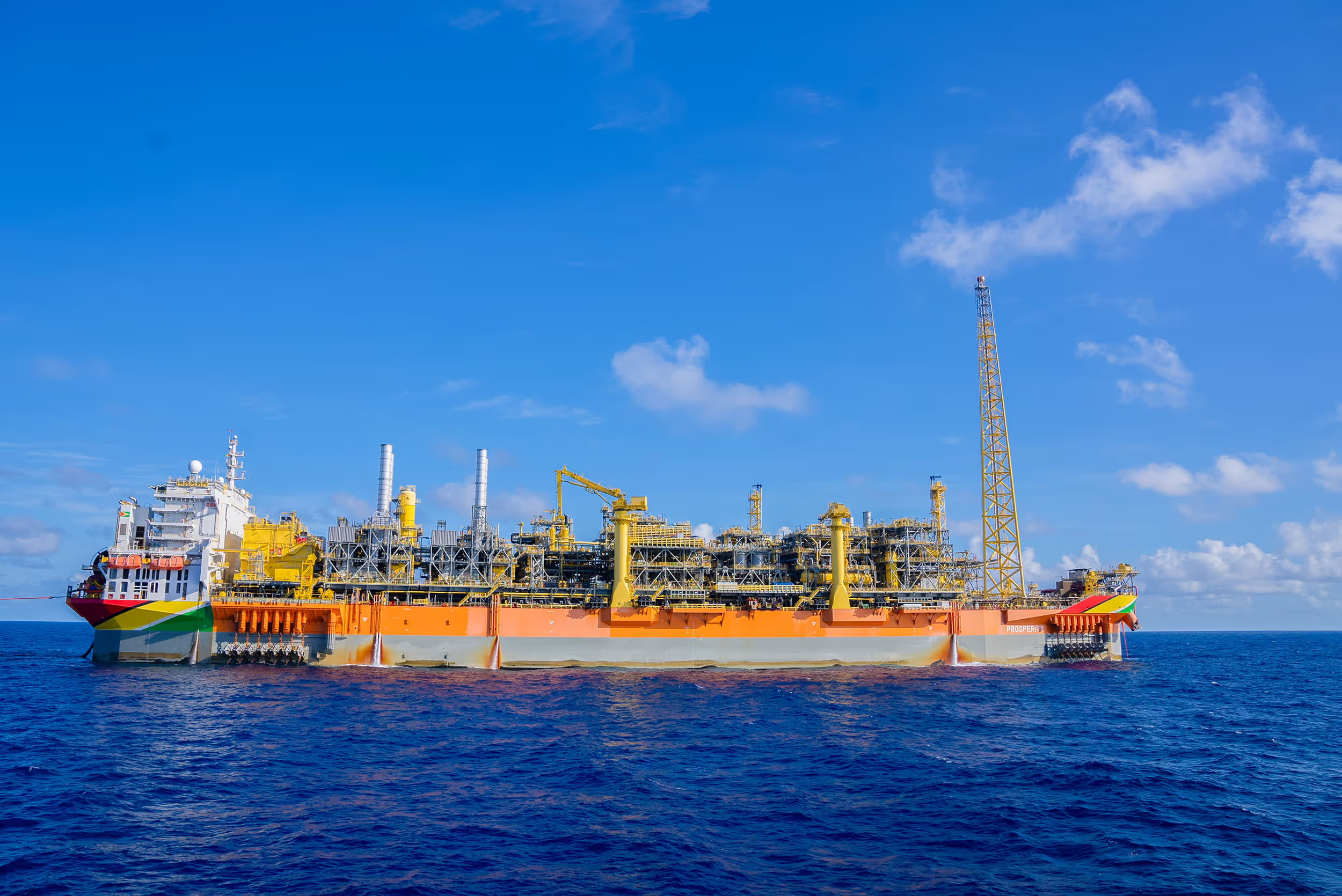















Guyana's oil and gas boom is not only transforming the country's economy, it is also reshaping where people live, what type of homes they want and how communities are expanding across the country.
Housing Minister Collin Croal says the oil sector is directly influencing housing demand, with more Guyanese qualifying for larger mortgages, seeking higher-end housing options and driving the rapid expansion of residential developments along the East Bank and East Coast corridors.
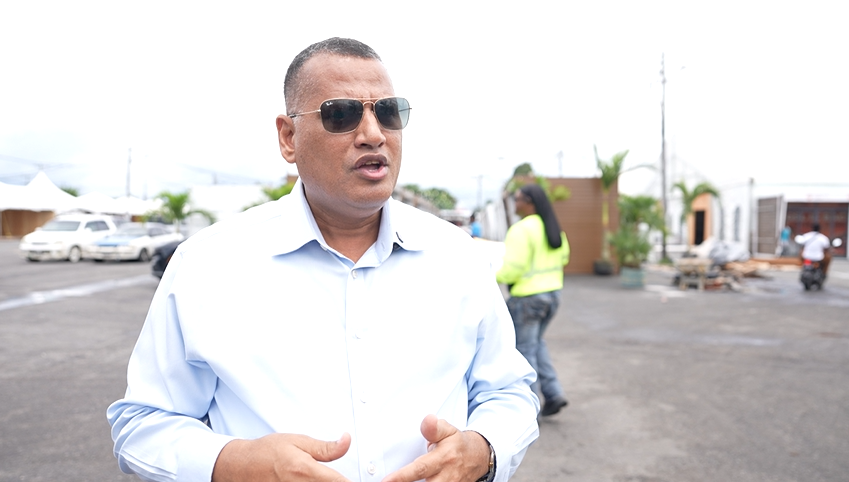
"The oil and gas sector has a direct bearing on that," Croal said when asked whether the ministry has been able to determine how much of the country's growing housing demand is linked to the petroleum industry.
While the government does not currently have figures showing exactly how many housing applicants work directly in the oil and gas sector, Croal said the impact is evident in changing consumer behaviour.
"What we are noticing is that because persons are earning more, when they go to the bank, they are asking for an increase in the amount of loan they're taking to build. They're building bigger houses," he explained.
The minister said one of the clearest signs of this trend is the growing demand for the government's Young Professional Housing programme, which has attracted significant interest from workers employed in the oil and gas industry.
"Alot of those applicants are also persons from the oil and gas sector because they're earning more and therefore qualify for higher categories," Croal noted.
The shift is also changing the type of housing being requested.
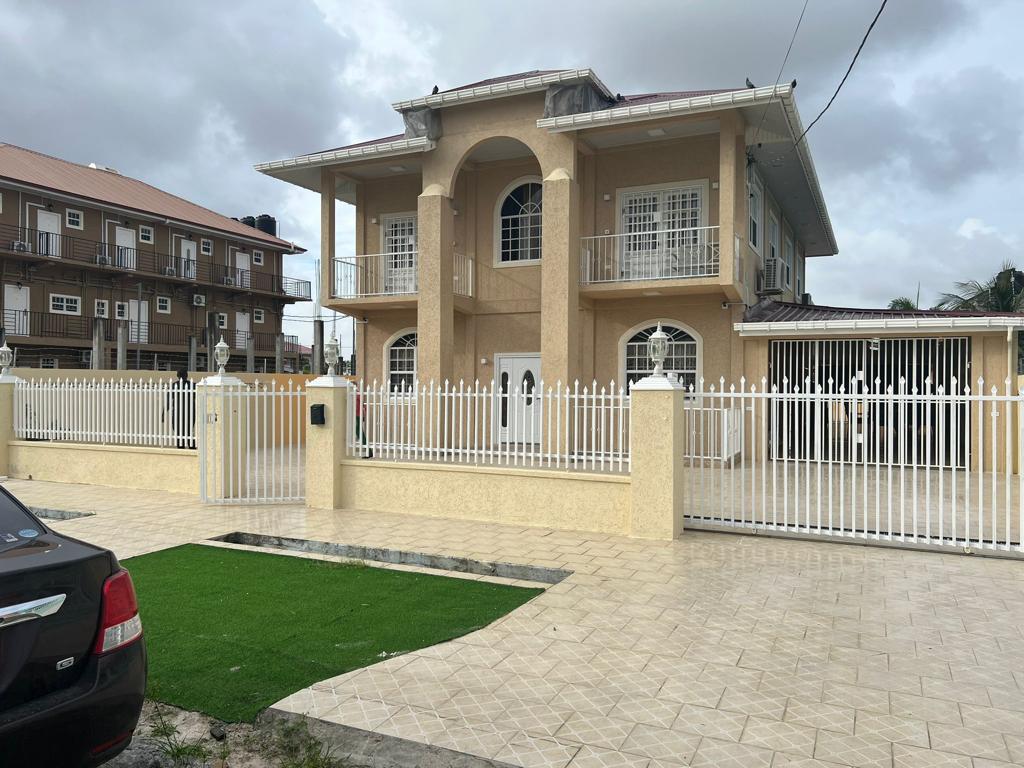
According to the minister, increasing numbers of applicants are opting for completed homes rather than traditional house lots, particularly workers employed offshore who often have limited time to supervise construction projects.
"Alot of persons have said to us, 'We no longer want the land. We are busy, we're working, we don't have the time,'" Croal said.
As a result, the government has expanded its focus on townhouse developments, modular housing and prefabricated homes as part of its broader housing programme.
East Bank, East Coast Becoming New Growth Zones
Croal also pointed to major demographic shifts taking place outside Georgetown as housing development accelerates along newly expanded transportation corridors.
According to him, the East Bank has largely been built out in terms of government housing allocations, with future growth increasingly concentrated along the East Coast and in areas connected by new highways and road networks.
"We have by and large allocated all our lots on the East Bank. Where we are now concentrating is on the highway and Silica City," the minister said.
He argued that major infrastructure projects, including the Heroes Highway, the ongoing East Bank four-lane highway expansion and planned connecting roads, are making it easier for people to move away from congested urban areas.
"You will find more persons moving out of congested Georgetown," Croal stated.
The minister said developments currently taking shape along the East Coast mirror what occurred on the East Bank over the last decade.
"Within the last two years, the Region Four expansion has been on the East Coast of Demerara," he said.
"If you take a flyover now, you'll see the vast amount of infrastructure work that is happening there."
Croal predicted that both corridors will experience significant population growth over the coming years as housing developments continue to expand.

"The East Coast and the East Bank will be the place to be in the next few years because the groundwork for the infrastructure is ongoing as we speak," he said.
Housing Programme Creating Wealth
Beyond addressing housing demand, Croal said the government's programme is aimed at building long-term financial security for families.
He noted that home ownership provides security of tenure and creates assets that can be used to access financing and expand economic opportunities.
"We are taking care of generational wealth," the minister said.
According to Croal, billions of dollars are being invested in housing infrastructure, with government spending heavily subsidising the cost of developing house lots and communities.
As oil revenues continue to fuel economic expansion, the housing sector is emerging as one of the clearest examples of how the country's petroleum wealth is reshaping everyday life—transforming not only incomes, but the physical landscape of Guyana itself.



.png)