
















.jpg)
Natural Resources Minister Vickram Bharrat believes one of the clearest indicators that Guyana's economic transformation is reaching ordinary citizens is not found in oil production figures but on the country's roads.
Speaking on the Starting Point podcast, Bharrat revealed that about 10,000 new motor vehicles were registered over a three-month period and started the PAP registration series, a figure he argues reflects rising household purchasing power rather than government spending.
According to the minister, the majority of those vehicles were purchased by ordinary Guyanese, particularly young professionals benefiting from expanding employment opportunities created directly and indirectly by the oil and gas sector.
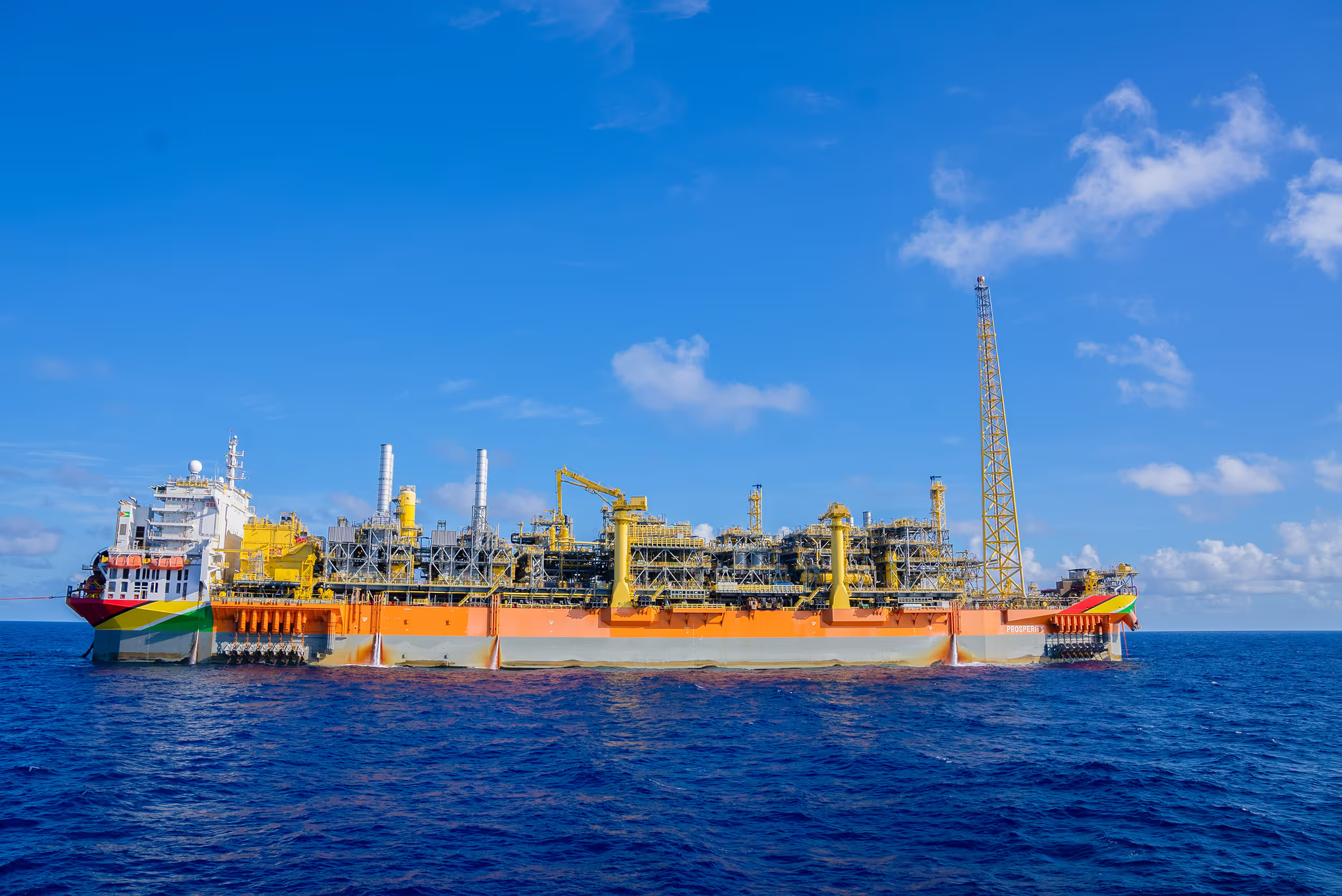
The comments come as Guyana continues recording some of the fastest economic growth rates globally, driven primarily by offshore petroleum production but increasingly supported by rapid expansion in construction, housing, manufacturing, transportation and services.
Bharrat linked the surge in vehicle ownership to broader economic activity.
He pointed to approximately 7,000 Guyanese employed directly within the petroleum industry and another 7,000 working indirectly through support services, logistics, engineering, transportation and other related businesses.
The minister also highlighted free university education, government-funded technical training and entrepreneurship programmes as initiatives helping young Guyanese participate in the country's economic expansion.
Perhaps more significant, however, is government's growing tax collection despite reducing the tax burden.
Bharrat noted that no new taxes have been introduced since 2020. Instead, government has repeatedly increased the income tax threshold while removing Value Added Tax from several essential goods and services.
Yet, tax revenues continue rising.
Economists generally view such trends as evidence of expanding economic activity rather than higher tax rates.
As more businesses open, employment grows and consumer spending increases, governments collect more revenue from a broader tax base even while maintaining lower effective tax burdens.
The government argues those revenues are being reinvested into infrastructure, education, healthcare and housing programmes intended to spread the benefits of petroleum wealth across the wider economy.



.png)
.jpg.jpeg)