














Guyana’s transformation into a major oil producer is no longer happening only offshore. It is reshaping the country’s rivers, ports and shipping lanes, with maritime traffic, cargo volumes and offshore support activity all expanding rapidly.
Government figures show that vessel traffic and port calls have increased significantly since the start of Guyana’s oil era, while the Maritime Administration Department has reported a 42 percent increase in vessel traffic since 2020. The different measures and reporting periods used by government agencies point to the same trend: far more ships are now moving through Guyana’s maritime space than before the oil boom.
In 2020, about 2,037 ships were recorded entering Guyana. By 2024, that figure had reached 3,144 — an additional 1,107 ships, or about 54 percent more than four years earlier.
And the traffic is not only about oil.
Containerised imports have climbed from approximately 42,000 TEUs a year to nearly 150,000 TEUs, more than tripling as construction, manufacturing, retail, infrastructure and offshore activity have expanded.
That growth is increasingly connected to Guyana’s offshore petroleum industry.
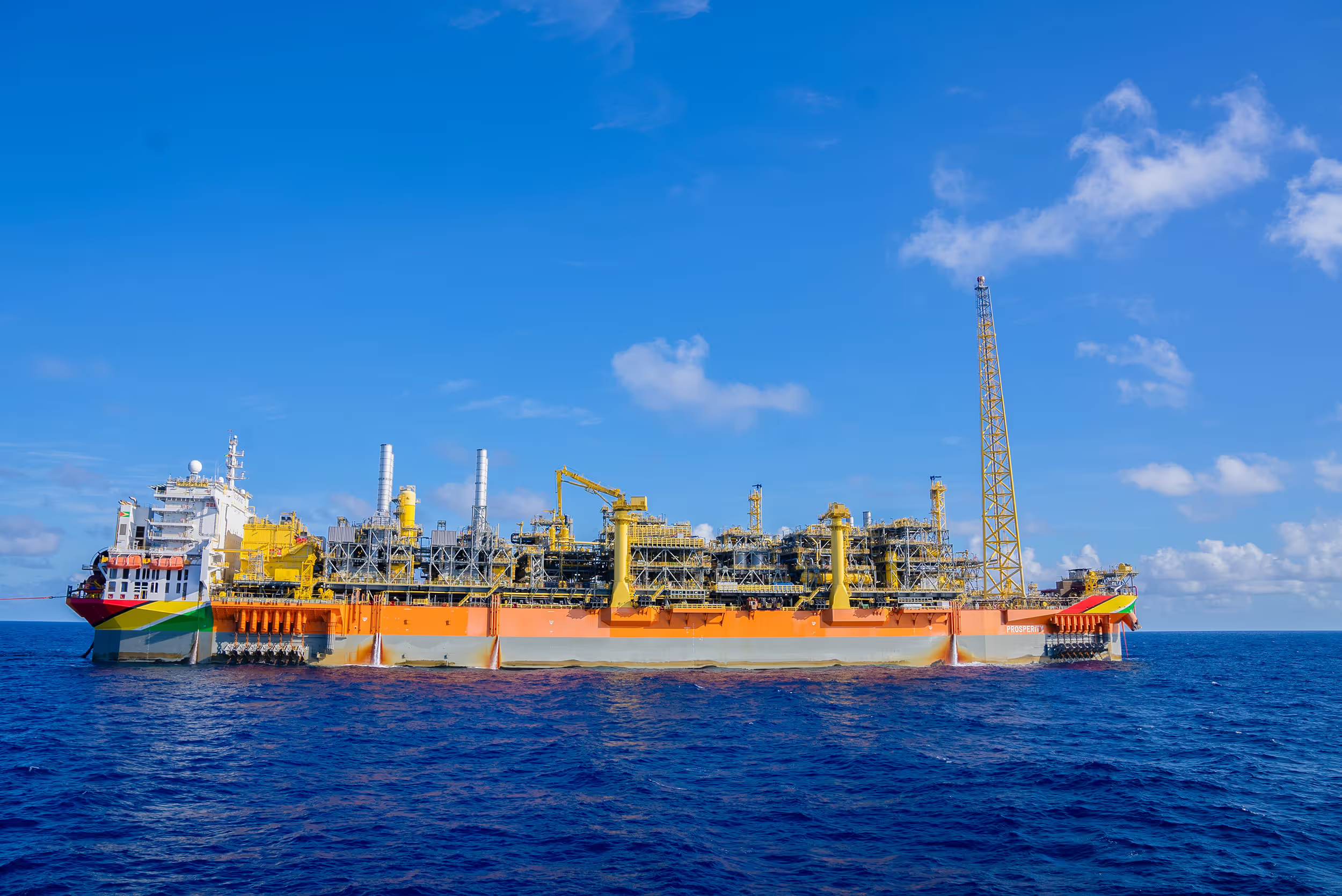
The country now has five FPSOs associated with the Stabroek Block, with the newly arrived Errea Wittu expected to begin production later this year. Four FPSOs are currently producing roughly 900,000 to 920,000 barrels of oil per day, while the new vessel is designed to add about 250,000 barrels per day and take national production beyond one million barrels per day.
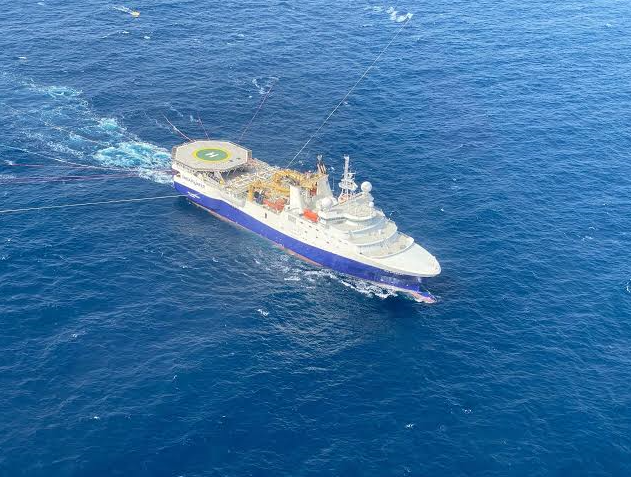
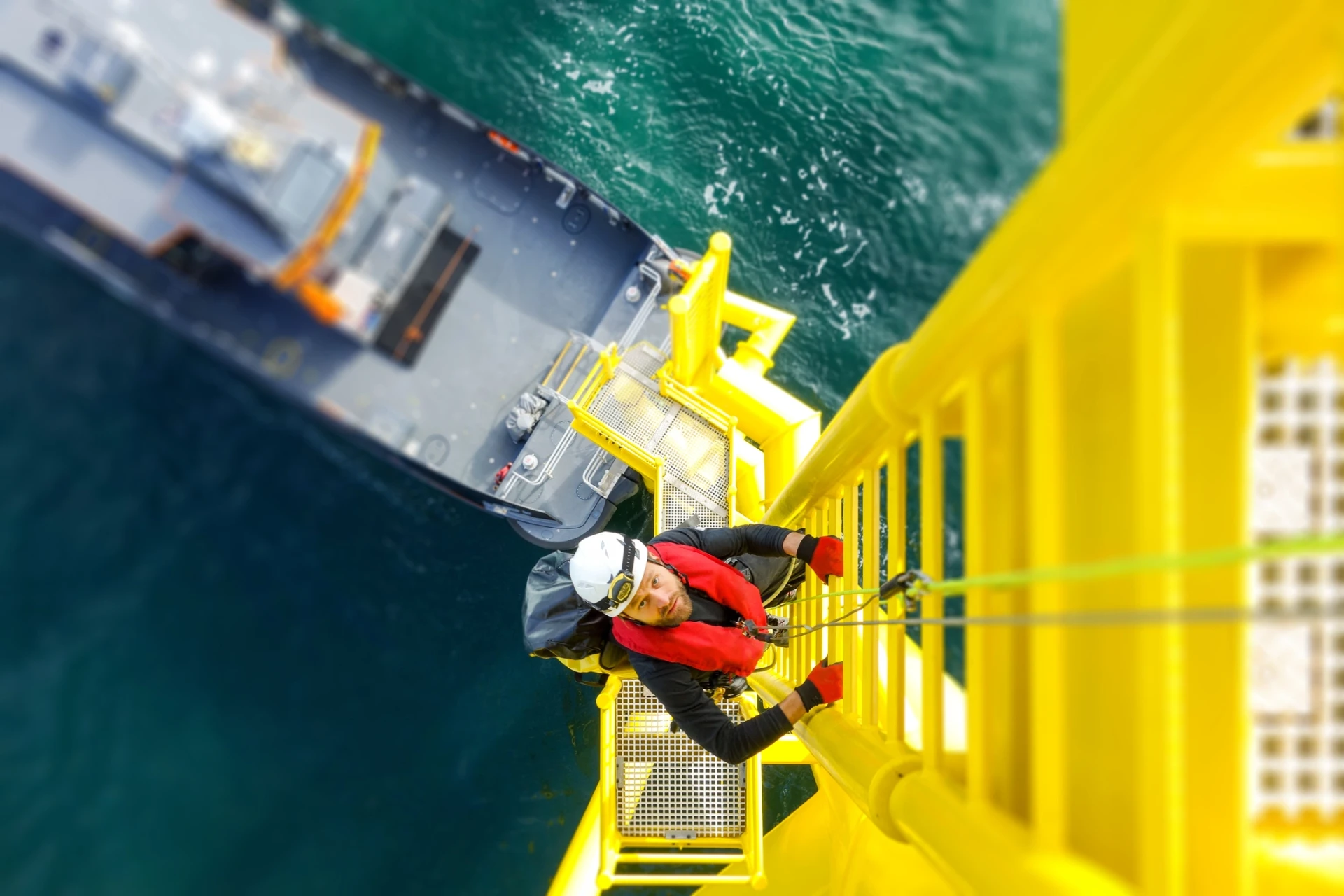
Tugs, supply vessels, crew boats, survey vessels, anchor-handling vessels, construction vessels and tankers are required to move equipment, people and supplies, support offshore construction and maintenance, and transport crude from the FPSOs.
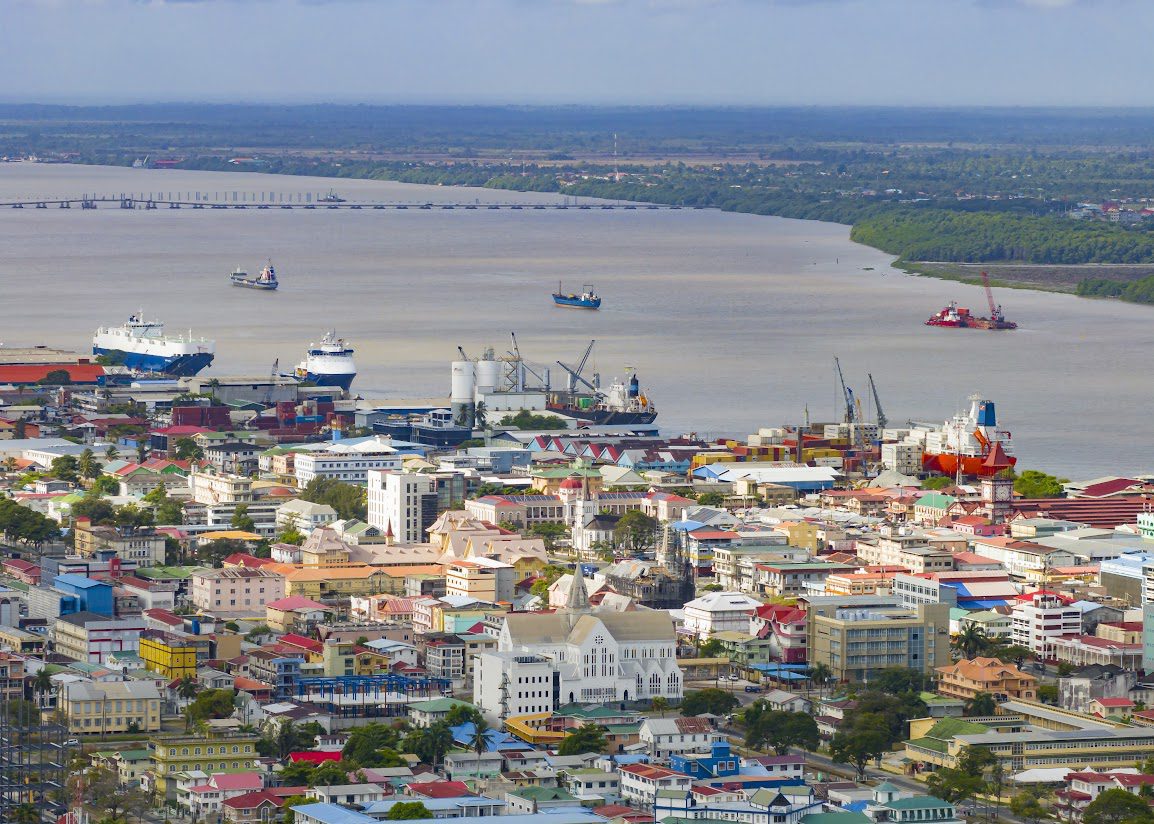
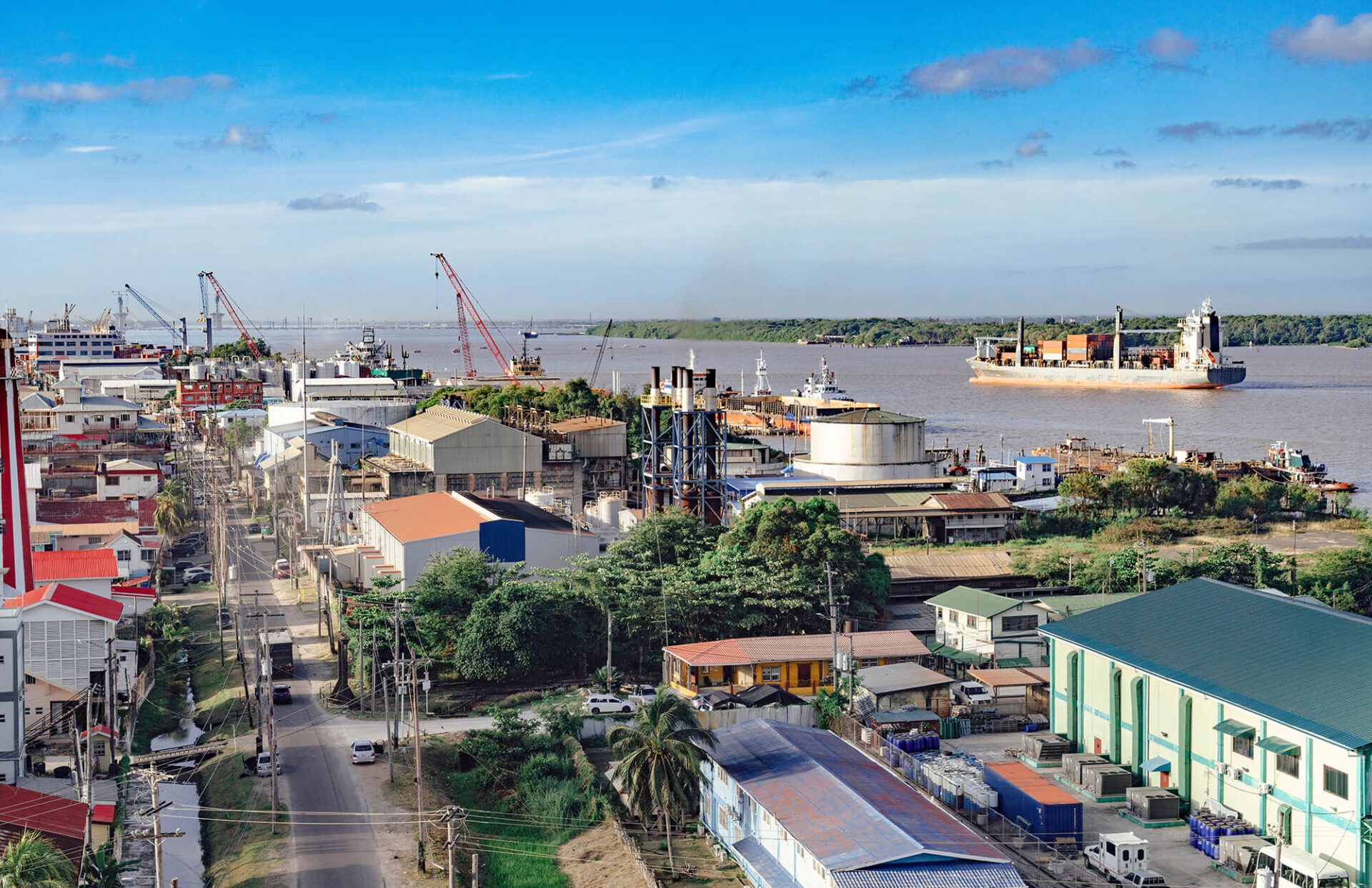
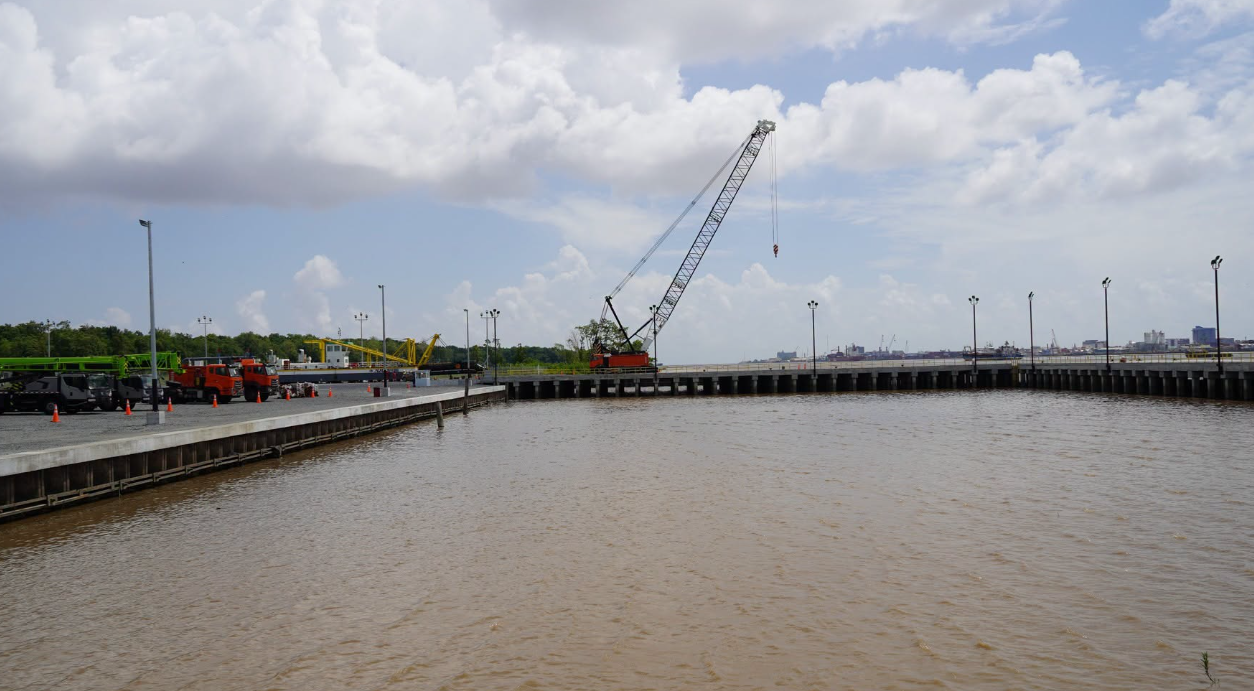
Guyana’s ports and shore bases are increasingly becoming part of the oil-and-gas supply chain. The TriStar Port of Guyana, for example, is being developed as a major multipurpose facility on the Demerara River, with the capacity to support offshore energy operations while also handling containerised and project cargo.
The significance of that investment was underscored during a recent visit by US Ambassador to Guyana Nicole Theriot.
On August 21, Theriot visited the TriStar facility, highlighting the involvement of a Louisiana-based engineering firm in bringing the project to life and describing the development as a major American investment in Guyana.
Phase One is already operational, providing additional modern port infrastructure, while future phases are expected to expand container-handling capacity and logistics space.
But the project also points to another dimension of Guyana’s maritime expansion: the development of local skills alongside physical infrastructure.
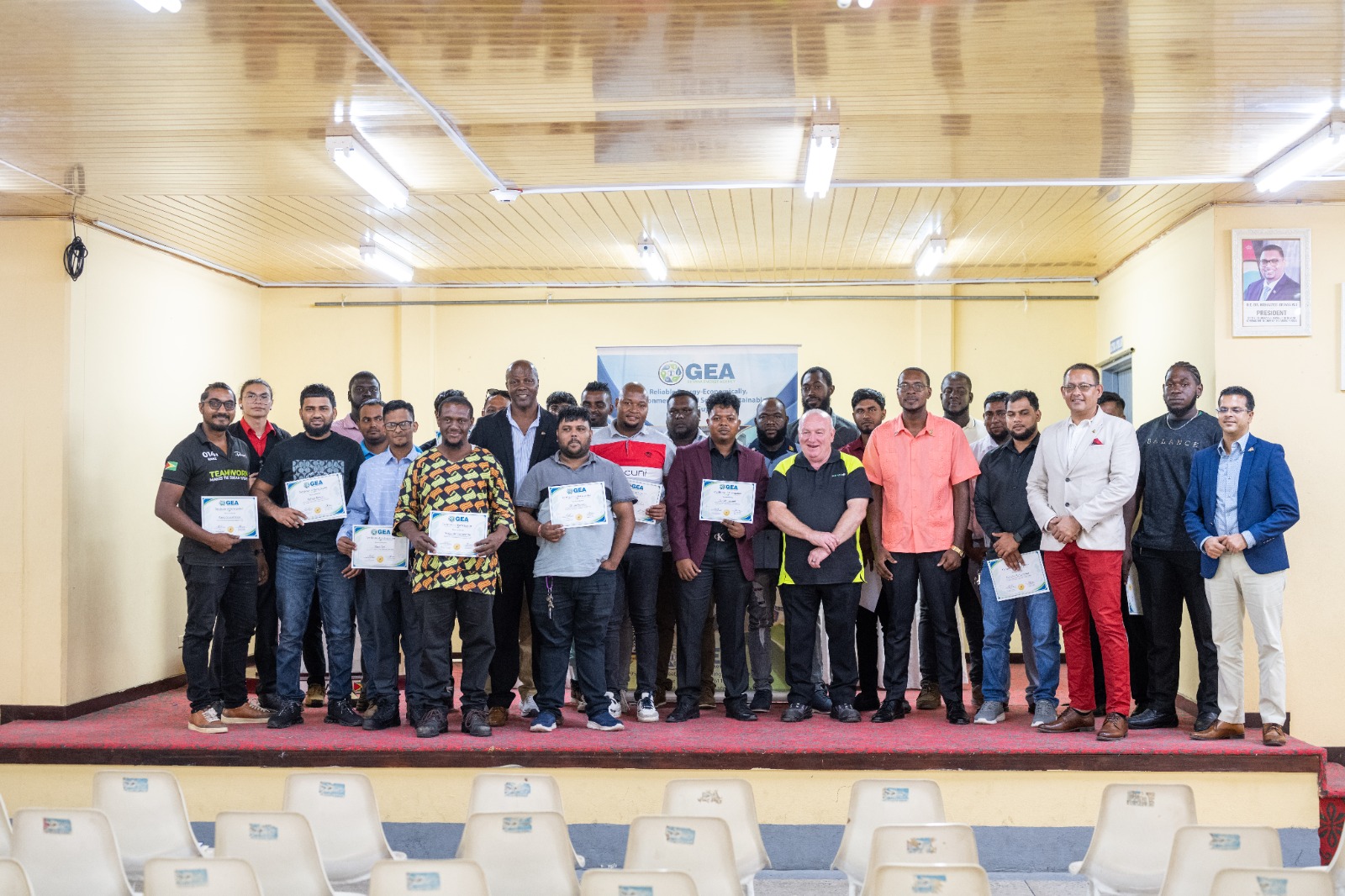
Theriot specifically highlighted TriStar’s commitment to training and empowering Guyanese workers for the long term, while noting the significance of seeing Louisiana-based expertise being applied to a major project in Guyana.
The 2026 budget programme records 4,779 vessels transiting the Demerara River channel in 2025, with a target of 5,352 in 2026. The number of deeper-draft vessels is also projected to rise from 2,248 to 2,585 over the same period.
Government plans include continued dredging, improved navigation, larger-vessel access, new marine infrastructure and the development of a deepwater port.
That means Guyana is increasingly planning for a maritime economy that is larger than the one required simply to service today's oil industry.
The Gas-to-Energy project at Wales is another example.
The project is designed to bring approximately 50 million cubic feet of natural gas per day from offshore production to shore, while its power plant is designed for 300 megawatts of generation. Its construction has also created a substantial logistics requirement as equipment and materials move through Guyana’s ports and waterways.
Even outside the petroleum sector, major construction projects have increased demand for marine transport. Authorities have previously reported a sharp increase in demand for tugs and barges, particularly as large infrastructure projects have accelerated.
So the maritime boom is increasingly becoming a national economic story rather than simply an oil-sector story.
The government is also pursuing digital port management, stronger maritime legislation, additional safety capacity and the creation of a modern Port Authority.
The country has also begun investing directly in its marine fleet, including new pilot boats and ferries, while the 2026 budget provides for further investment in ports, navigation and river transport.
The recent MV Barima tragedy, however, has brought a sharper public focus to what happens when maritime growth and safety requirements do not move at the same pace.
President Irfaan Ali has said an independent team has been established to examine vessel safety, identify gaps and determine what needs to be strengthened, alongside the Commission of Inquiry into the tragedy.



.png)