















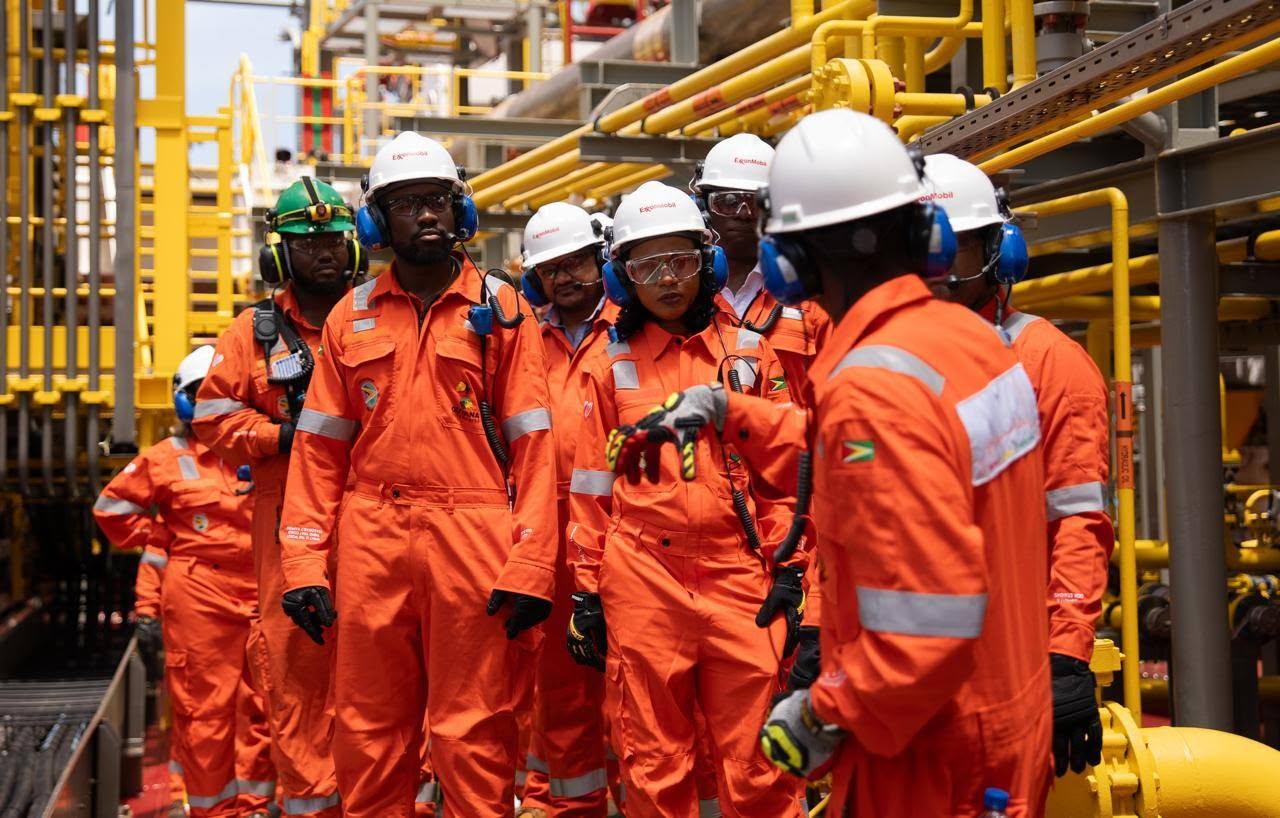
When ExxonMobil released its second-quarter earnings presentation, one number stood out among the billions of dollars in profits and ambitious plans for future offshore development.
98 per cent.
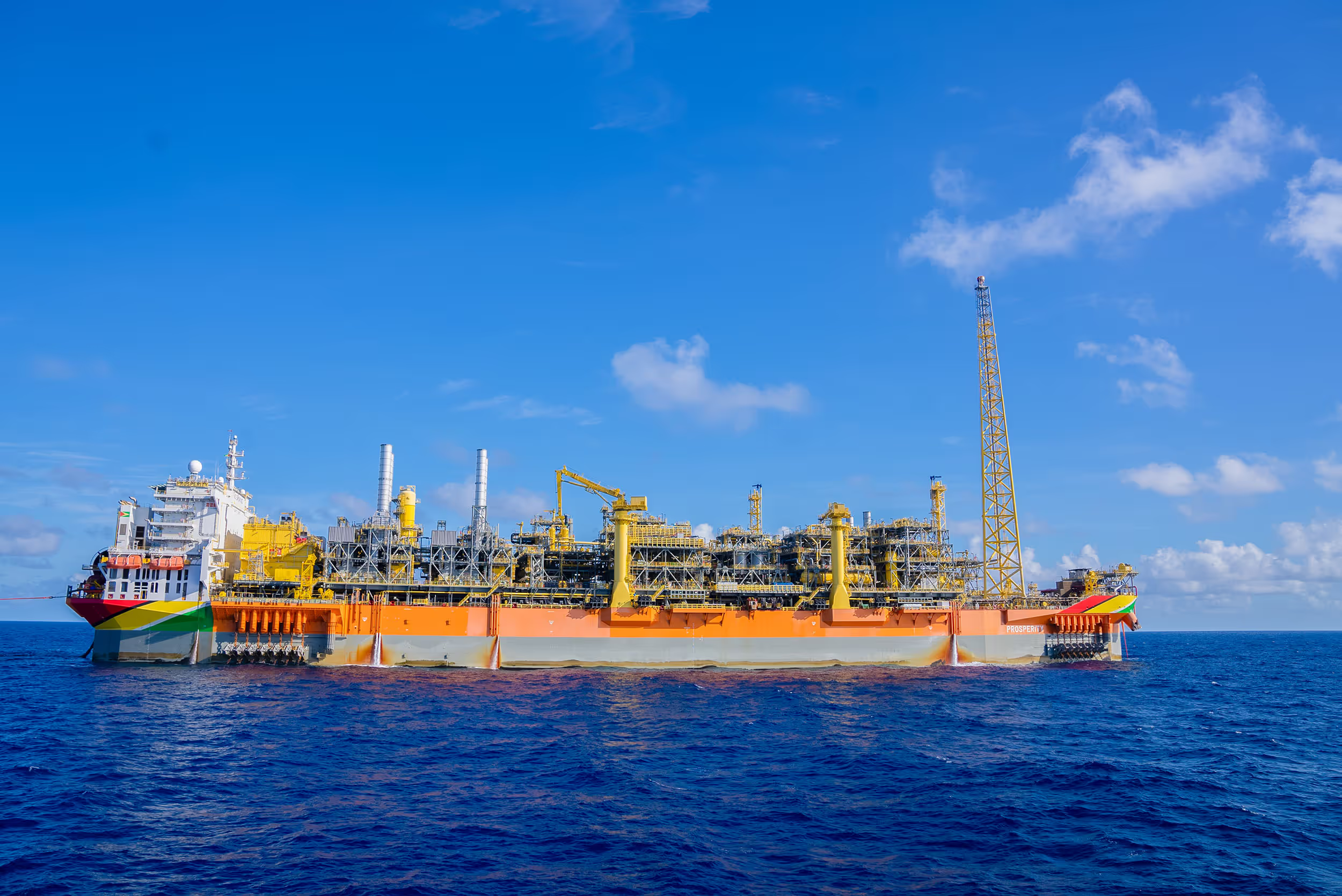
That's the operational reliability achieved this year by Guyana's first four floating production, storage and offloading vessels (FPSOs), according to the company. Exxon also said those vessels continue to exceed their original investment expectations, reinforcing Guyana's position as one of its strongest-performing global assets.
While it may appear to be just another performance statistic, reliability is one of the most important indicators in the offshore oil industry.
It determines how much oil reaches the market, how much revenue flows to governments and investors, and whether billion-dollar projects ultimately deliver the returns they promised.
In Guyana's case, high reliability is helping ensure the country's oil boom remains firmly on course.
Reliability measures how consistently a production facility is available to operate as designed.
In simple terms, it answers one question:
How often is the FPSO producing oil instead of being shut down?
No offshore production system operates continuously without interruption.
Routine maintenance, equipment inspections and occasional repairs all require temporary shutdowns.
The goal is to minimise those interruptions.
A reliability rate of 98 per cent means the production vessels are operating almost continuously, with very little unplanned downtime.
For an industry where every hour counts, that is considered exceptional operational performance.
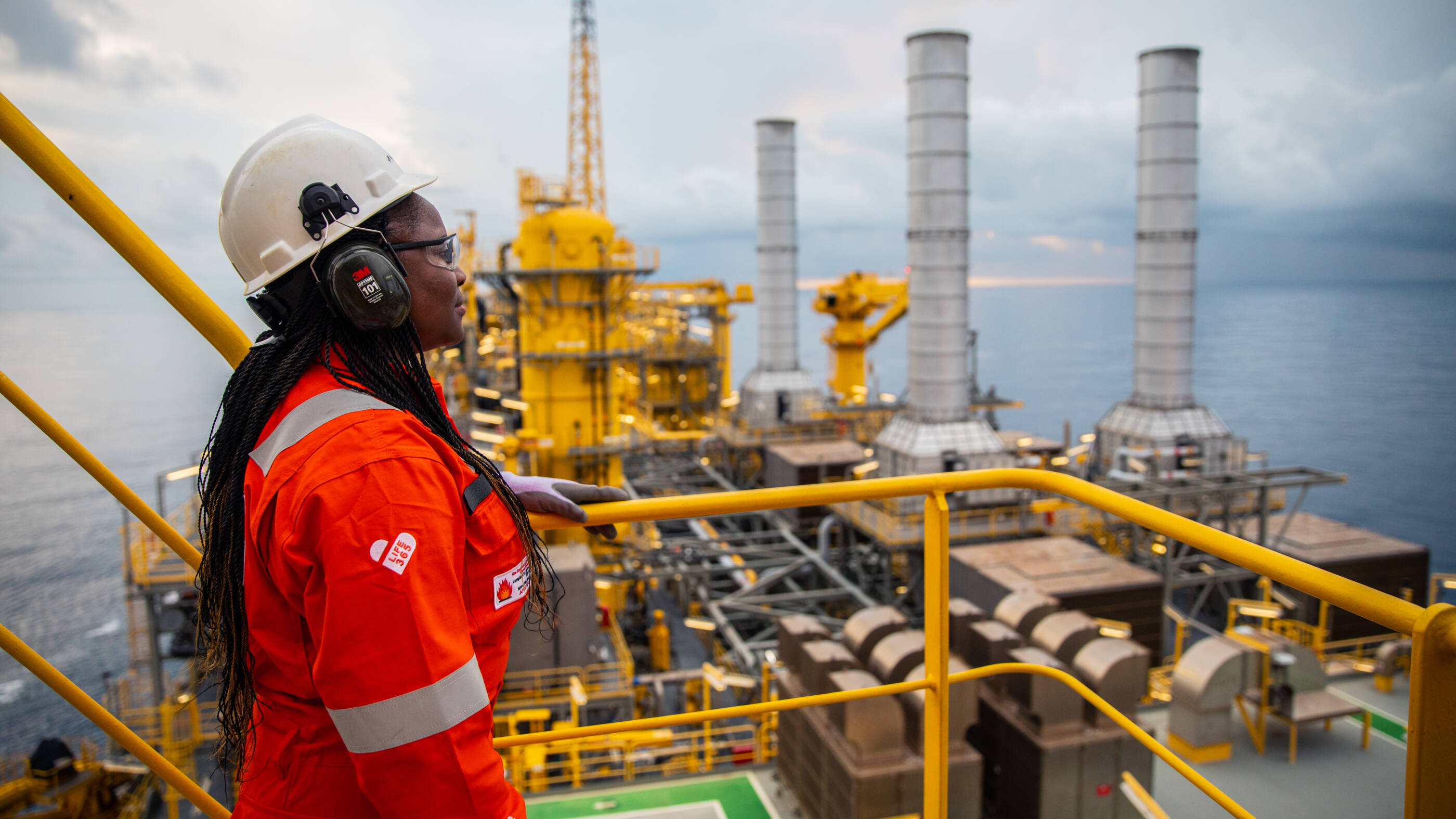
Every hour matters
Guyana's offshore fields are now producing approximately 900,000 barrels of oil every day from four FPSOs.
At that production level, every hour of downtime has significant consequences.
A single day of lost production across multiple facilities could defer hundreds of thousands of barrels of crude.
That affects:
- export cargo schedules;
- company revenues;
- royalty payments;
- profit oil distributions; and
- government income.
Maintaining 98 per cent reliability dramatically reduces those losses.
Instead of dealing with prolonged shutdowns, production continues flowing with only limited interruptions for planned maintenance.
For the Government of Guyana, reliability translates directly into financial stability.
Every barrel produced contributes to:
- the two per cent royalty paid on gross production;
- profit oil shared with the Government;
- deposits into the Natural Resource Fund; and
- export earnings.
When production remains consistent, government revenues become more predictable.
That supports national budgeting, infrastructure planning and public investment.
Conversely, repeated operational disruptions can delay cargoes and temporarily reduce cash flows—even if production later recovers.
Reliability is also closely watched by investors.
Developing a deepwater oil project requires investments measured in billions of US dollars.
Companies expect production facilities to operate safely and efficiently for decades.
High reliability demonstrates that those investments are performing as planned.
It also reduces operating costs because fewer emergency repairs and production interruptions mean lower maintenance expenses and stronger overall project economics.
That helps explain why Exxon says Guyana's first four FPSOs are continuing to exceed their original investment expectations.
Helping Exxon deliver record production
The company's latest earnings demonstrate why operational performance matters.
Exxon said production growth from Guyana and the Permian Basin helped deliver its highest upstream production in more than 20 years, excluding disruptions in the Middle East.
That performance would not have been possible without reliable offshore operations.
High uptime allows Exxon to maximise production from existing assets while continuing construction of future developments.
It also provides confidence that new projects can achieve similar results.
Guyana's offshore fleet is still growing.
A fifth FPSO is expected to begin production later this year.
Additional developments—including Hammerhead and Longtail—are advancing through the project pipeline.
Exxon has also confirmed work is progressing toward a ninth FPSO targeted around 2031.
Strong performance from the first four vessels provides valuable operational experience that can be applied to each new development.
Lessons learned today improve the performance of tomorrow's projects.
More than just a percentage
To most readers, 98 per cent might look like an ordinary statistic buried in a corporate presentation.
But in the offshore oil industry, it tells a much bigger story.
It reflects disciplined operations, efficient maintenance, high-performing equipment and billions of dollars in production delivered as planned.
For Exxon, it means stronger earnings.
For investors, it means confidence.
And for Guyana, it means something even more important: a steady flow of oil revenues supporting one of the fastest-growing economies in the world.



.png)
.jpeg)
.jpg)