
















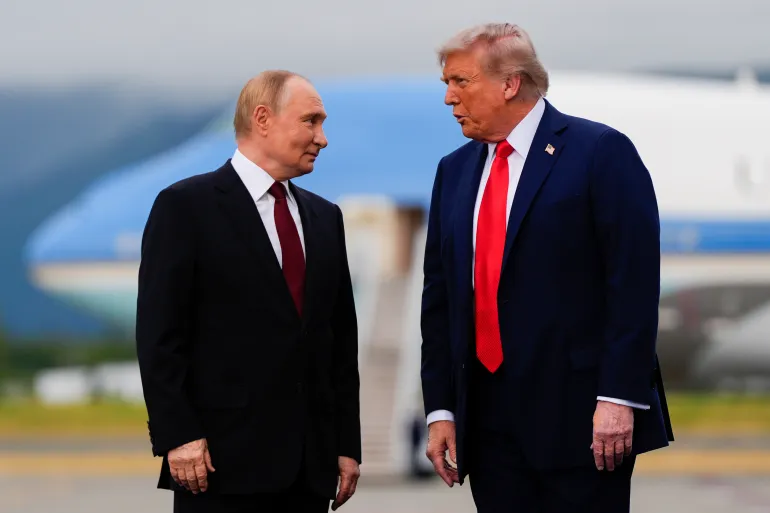
United States President Donald Trump has announced a new deal with Russia — a move he said will lower fuel prices in the US and around the world.
In a social media post following a phone call with Russian President Vladimir Putin, Trump said Russia will immediately supply over 300,000 tonnes of diesel fuel to the American and global marketplace, another 500,000 tonnes in November, and one million tonnes immediately thereafter.
Based on the condition of Russia’s diesel refineries, he added, Russia will then deliver three million tonnes of diesel fuel “within a short period.”
“Between our total control of the Strait of Hormuz, and this great announcement on Russian energy, diesel prices for Americans and, indeed, the World, will be coming down, in record numbers and fast!” Trump said.
Russia had previously banned diesel exports after Ukrainian drone attacks damaged its refineries. Under Friday’s deal, the US Treasury suspended sanctions on Russian diesel exports through April 7, 2027, allowing Russian diesel to flow to global markets. Other Russian assets, including those held in American banks, remain frozen.
Putin, meanwhile, said Russia was willing to supply both the US and global markets with oil and petroleum products, though his statement did not specify amounts.
The deal drew immediate criticism from Ukrainian President Volodymyr Zelenskyy, who warned that easing sanctions without a commitment from Russia to de-escalate will only prolong the war. Some energy analysts also questioned whether the volumes involved were large enough to make a meaningful difference.
Fuel prices have soared following the Middle East conflict involving the US, Israel and Iran. The average diesel price in the US currently stands at $6.28 (£4.74) a gallon, down from the record high of $6.53 recorded at the end of September.
The announcement is the latest effort from Trump to lower fuel prices ahead of the midterm elections, after months spent grappling with the political consequences of the Iran war. Recently, Trump the Trump administration ramped up pressure on European allies — with Treasury Secretary Scott Bessent urging Europe to "immediately" tap its reserves, and Trump himself calling in to the G7 leaders' meeting to negotiate the release of European diesel stockpiles. Subsequently, the G7 countries agreed to release 100 million barrels of oil and diesel to stabilise global energy supplies and help counter the surge in prices.



.png)


.png)