














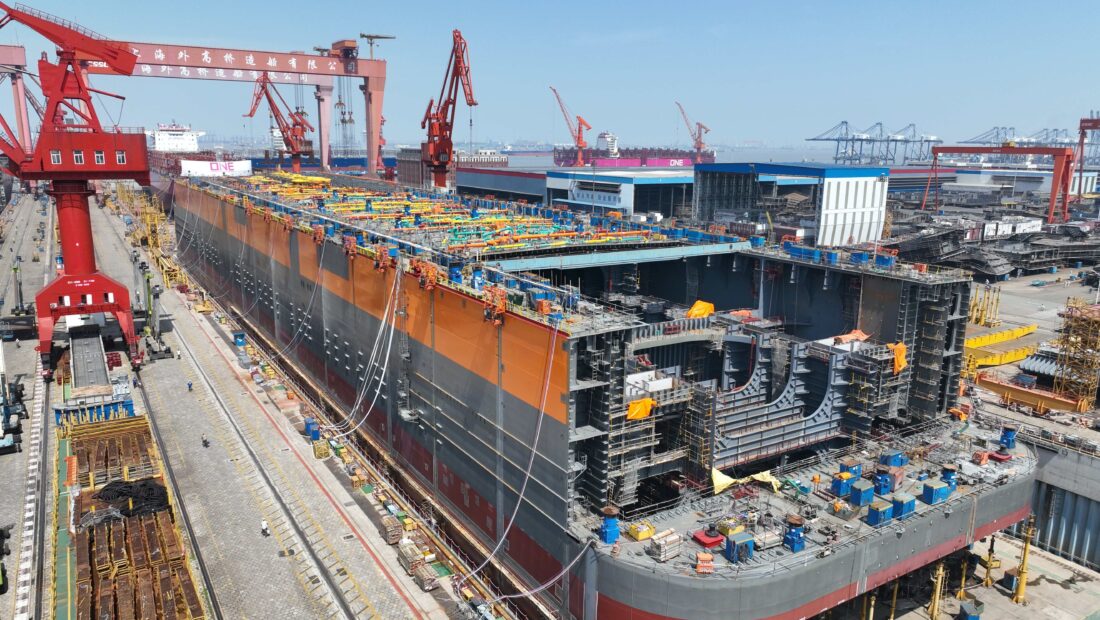
Companies in the global floating production, storage and offloading (FPSO) industry could move towards consolidation sooner rather than later, as the cost and complexity of major offshore oil projects continue to increase.
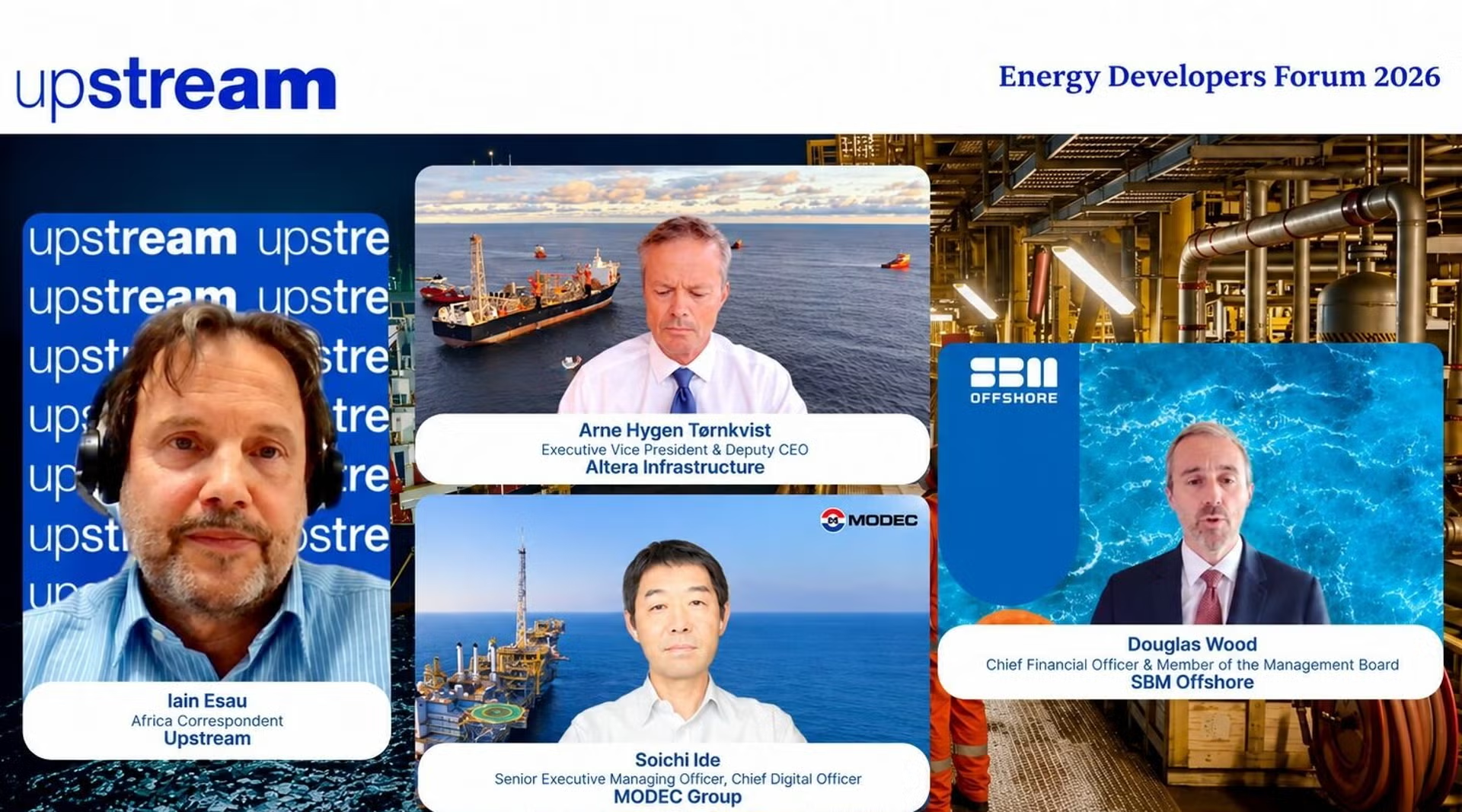
The issue was discussed on October 8 during the Upstream Energy Developers Forum 2026, a digital industry event featuring executives from SBM Offshore, MODEC Group and Altera Infrastructure.
The discussion focused on the financial demands of building large offshore production vessels, rising shipyard costs and supply-chain pressures, as companies look for ways to deliver increasingly complex projects.
For Guyana, where offshore oil production continues to expand through successive developments in the Stabroek Block, these industry changes could have implications for future projects, contractor competition and the wider oilfield supply chain.
Modern FPSOs require substantial investment, specialised engineering and access to shipyards capable of delivering complex offshore facilities.
As project costs increase, fewer companies may have the financial resources and technical capacity to compete for the largest contracts, particularly where contractors must finance, build and operate vessels over long periods.
The October 8 discussion pointed to the possibility that companies could combine resources or pursue other corporate arrangements to manage these demands.
SBM Offshore Chief Financial Officer Douglas Wood and Altera Infrastructure Executive Vice President and Deputy Chief Executive Officer Arne Hygen Tørnkvist were among the executives involved in the discussion.
Guyana’s rapid offshore development has placed the country at the centre of a major expansion in FPSO demand.
One approach used to manage the cost and complexity of these projects is standardisation: using established designs and construction methods across successive vessels instead of starting each project from scratch.
SBM Offshore’s Fast4Ward programme follows this approach by using standardised hull designs alongside project-specific equipment and facilities.
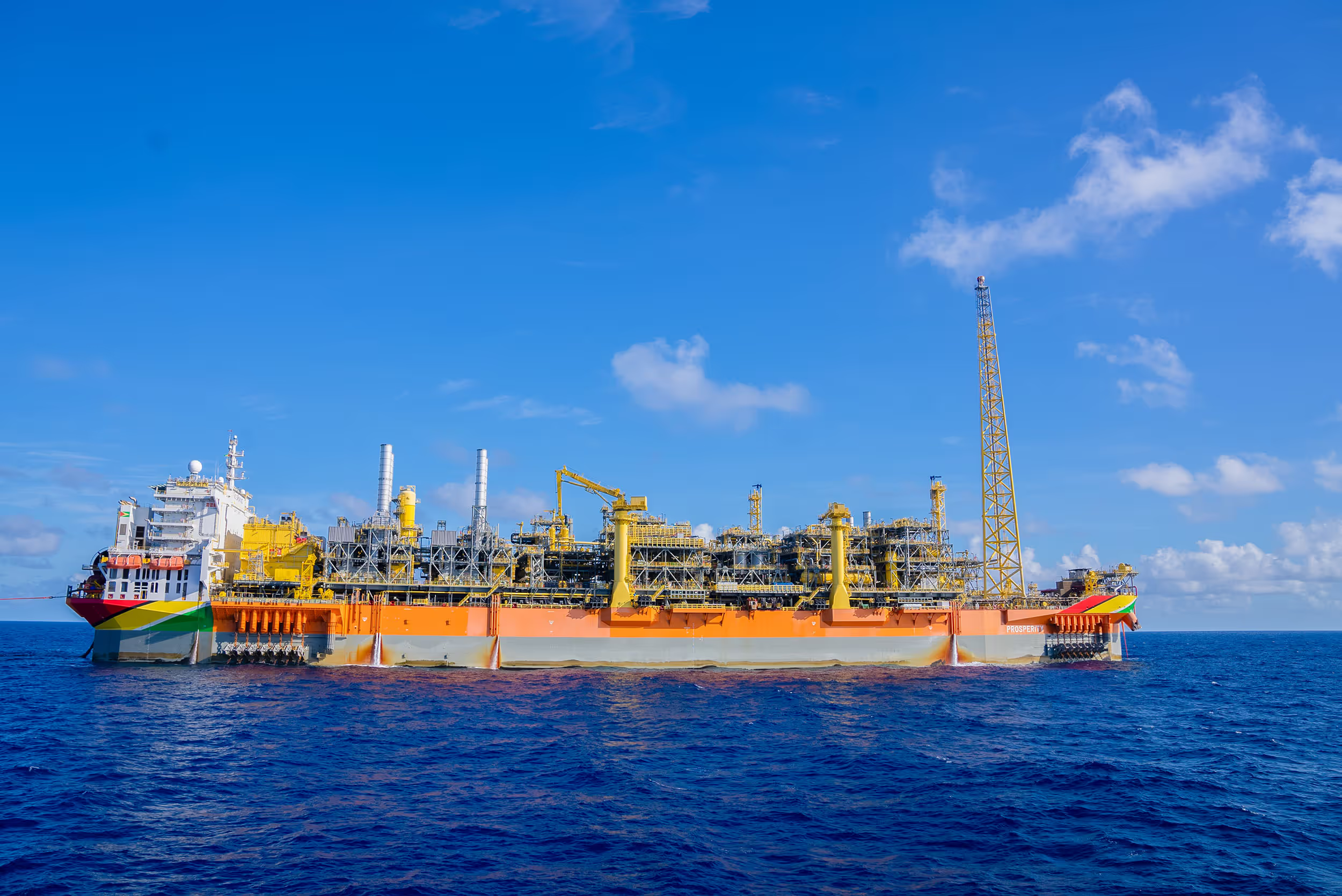
The company’s ONE GUYANA FPSO, developed for ExxonMobil Guyana’s Yellowtail project, is designed to produce up to 250,000 barrels of oil per day.
SBM has continued to apply its experience to subsequent Guyana developments, including the Jaguar FPSO for the Whiptail project and the company’s work on the Longtail development.
Standardisation can help reduce repeated engineering work and improve construction efficiency. However, individual projects still require equipment and facilities suited to their specific offshore fields.
MODEC has also entered Guyana’s offshore production sector through the Errea Wittu FPSO, built for ExxonMobil Guyana’s Uaru development.
The vessel is designed to produce up to 250,000 barrels of oil per day at peak capacity and represents MODEC’s first FPSO project in Guyana.
Entering a new offshore market requires close coordination between the oil producer, vessel contractor, equipment suppliers and other service providers.
The experience of Guyana’s offshore industry illustrates the importance of coordinating multiple contractors and managing logistical challenges while large projects are being delivered.
The October 8 forum also examined the demands of operating large FPSOs over their working lives, which can extend for decades.
Digital systems, data analysis and artificial intelligence can support equipment monitoring, maintenance planning and operational decision-making. Their effectiveness, however, depends on how well the technology is integrated into operating procedures and asset-management systems.
For vessels operating in deepwater environments, effective maintenance and monitoring are important to managing equipment performance, safety and unplanned downtime.
Guyana’s oil industry depends on international companies with the financial resources, engineering expertise and operational capacity to deliver large offshore projects.
If consolidation reduces the number of major FPSO contractors, it could affect the level of competition for future contracts. A smaller group of larger companies could also have greater financial and technical capacity to manage complex developments.
The outcome would depend on the nature of any mergers or acquisitions, the contractors involved and the availability of alternative suppliers.
The changes could also affect the wider supply chain, including engineering services, fabrication, equipment supply and vessel maintenance.



.png)


.png)