















Guyana is earning billions of dollars from offshore oil production, financing major infrastructure projects and expanding public investment, but a new Commonwealth estimate is highlighting the enormous economic exposure that remains along its vulnerable coastline.
A Commonwealth Secretariat case study on sea-level rise estimates that approximately US$43.5 billion in Guyanese assets are exposed to episodic coastal flooding, underscoring the challenge of protecting the country's economic base as petroleum revenues accelerate development.
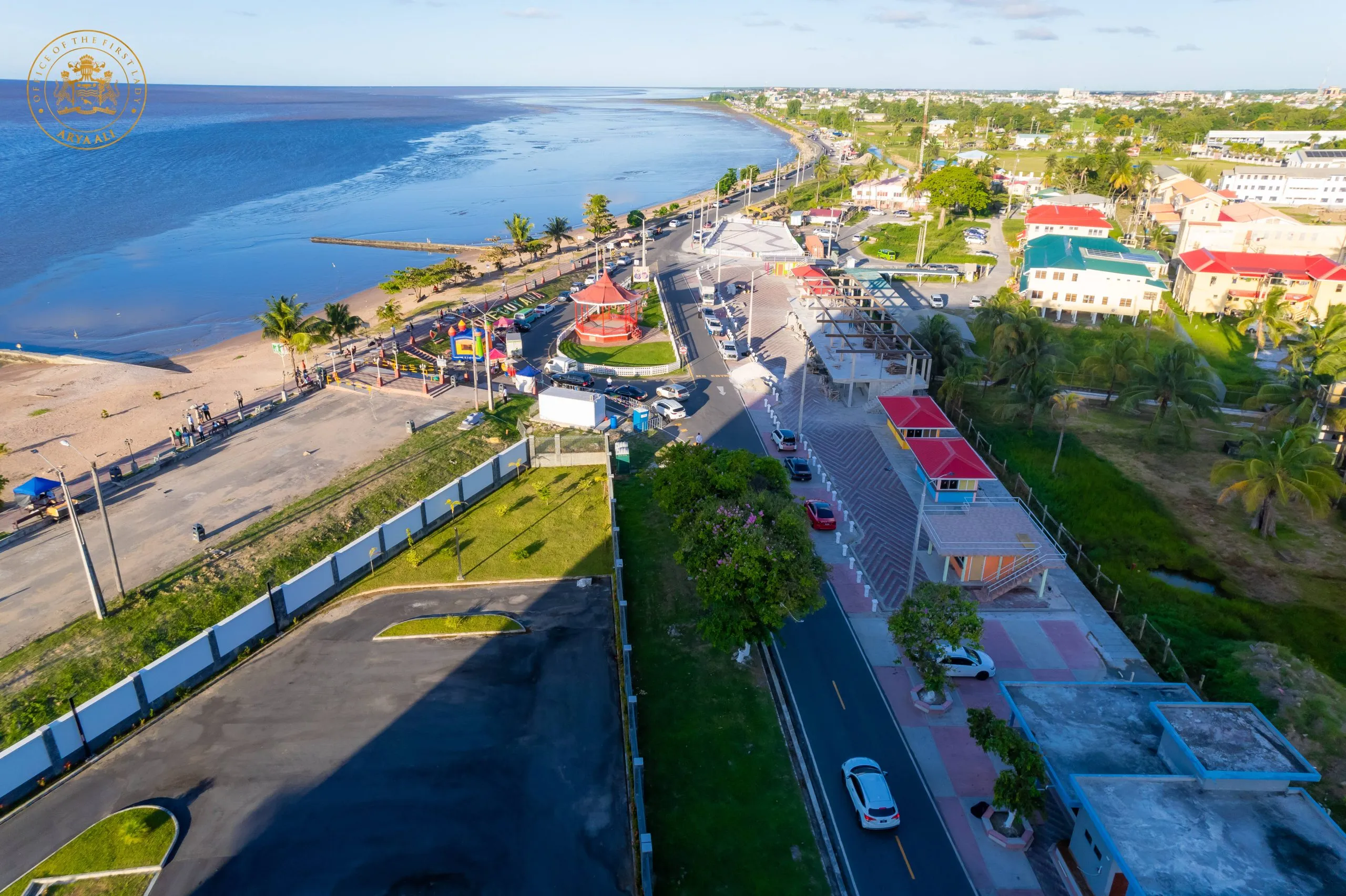
The estimate places a significant part of Guyana's growing economy in a vulnerable position. Approximately 90% of the population lives on the low-lying coastal plain, which sits roughly 0.5 to one metre below sea level at high tide and accounts for more than half of the country's Gross Domestic Product (GDP).
The findings raise an important question for an economy increasingly supported by offshore petroleum production: how much of the wealth being generated from oil is going towards protecting the country and its people from the environmental risks threatening the very foundation of its economy?
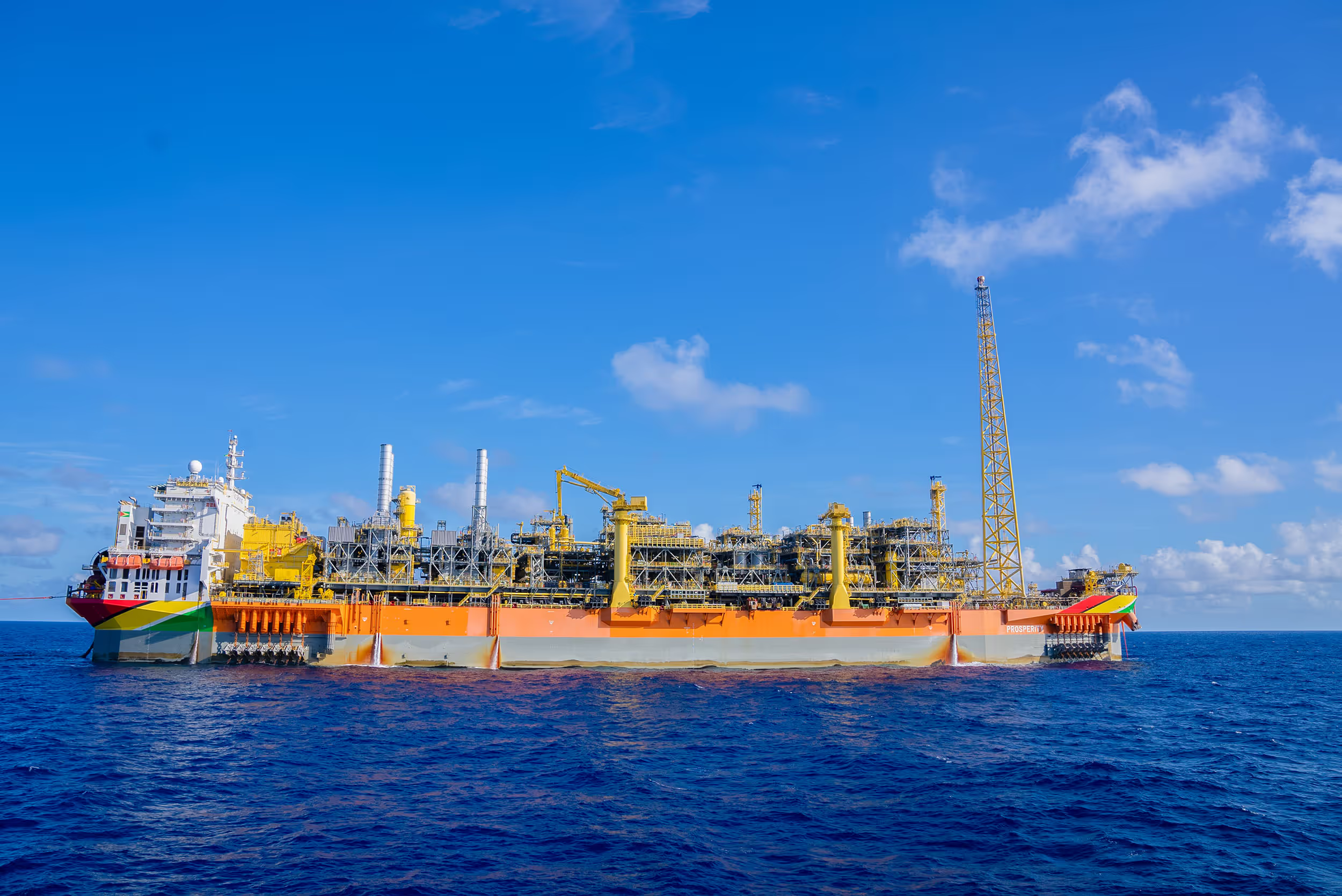
Oil production has dramatically expanded Guyana's financial capacity. Revenue from the Stabroek Block is helping Government finance roads, bridges, hospitals, schools, drainage infrastructure and other major development projects, while the Natural Resource Fund provides a mechanism through which petroleum earnings are transferred into the national budget.
However, the Commonwealth's findings suggest that economic expansion must be matched by investment in climate resilience, particularly along the coast where the majority of Guyanese live and where much of the country's agricultural, commercial and industrial activity takes place.
The US$43.5 billion estimate represents the value of assets considered exposed to episodic flooding. It is not a projection of the losses Guyana would suffer in a single flood or an estimate of the cost of protecting those assets.
The Commonwealth study also acknowledges limitations in its methodology. Its calculation uses an asset-to-GDP multiplier of 2.8, 2025 population figures and assumptions about the population living below 10 metres above sea level. The report cautions that the approach could overstate the current value of exposed assets given the rapid changes taking place in Guyana's oil-driven economy.
Nevertheless, the scale of the exposure highlights the economic consequences that could follow if coastal protection and drainage systems fail to keep pace with development.
For Guyana, the risk extends beyond residential communities. The coastal corridor supports agriculture, manufacturing, businesses, public infrastructure and facilities connected to the growing oil-and-gas industry. Disruptions to roads, ports, electricity, water supply and other essential services could have consequences across the wider economy.
This makes coastal resilience an economic and energy-sector concern, not simply an environmental issue.
Guyana's petroleum revenues provide an opportunity to address these vulnerabilities while the country is experiencing rapid economic growth. But the challenge is ensuring that investment in new infrastructure is accompanied by adequate maintenance, stronger drainage and irrigation systems, improved sea defences and long-term climate adaptation planning.
The Commonwealth report references an earlier estimate from 2023 that Guyana could require more than US$2 billion in adaptation financing. That figure is not a newly calculated project cost, but it gives an indication of the scale of resources that may be required.
With preparations for the 2027 National Budget already under way, the findings provide another basis for examining how petroleum revenues are being allocated and whether climate resilience is receiving the investment required to protect the country's economic gains.