
















Commonwealth leaders have called for faster investment in renewable energy, electricity storage and modern power infrastructure, while reaffirming the need for countries to transition away from fossil fuels in a just, orderly and equitable manner.
The call is set out in the communiqué issued at the conclusion of the Commonwealth Heads of Government Meeting in Antigua and Barbuda, where leaders also highlighted the need for developing countries, particularly small island developing states, to have greater access to financing, technology and technical support.
The communiqué identifies the expansion of renewable energy, modernisation of electricity grids, battery storage and electrification as important areas for investment as countries respond to climate change and work towards more sustainable energy systems.
It also reaffirms the Commonwealth’s support for a transition away from fossil fuels, alongside the goal of achieving net-zero emissions by 2050.
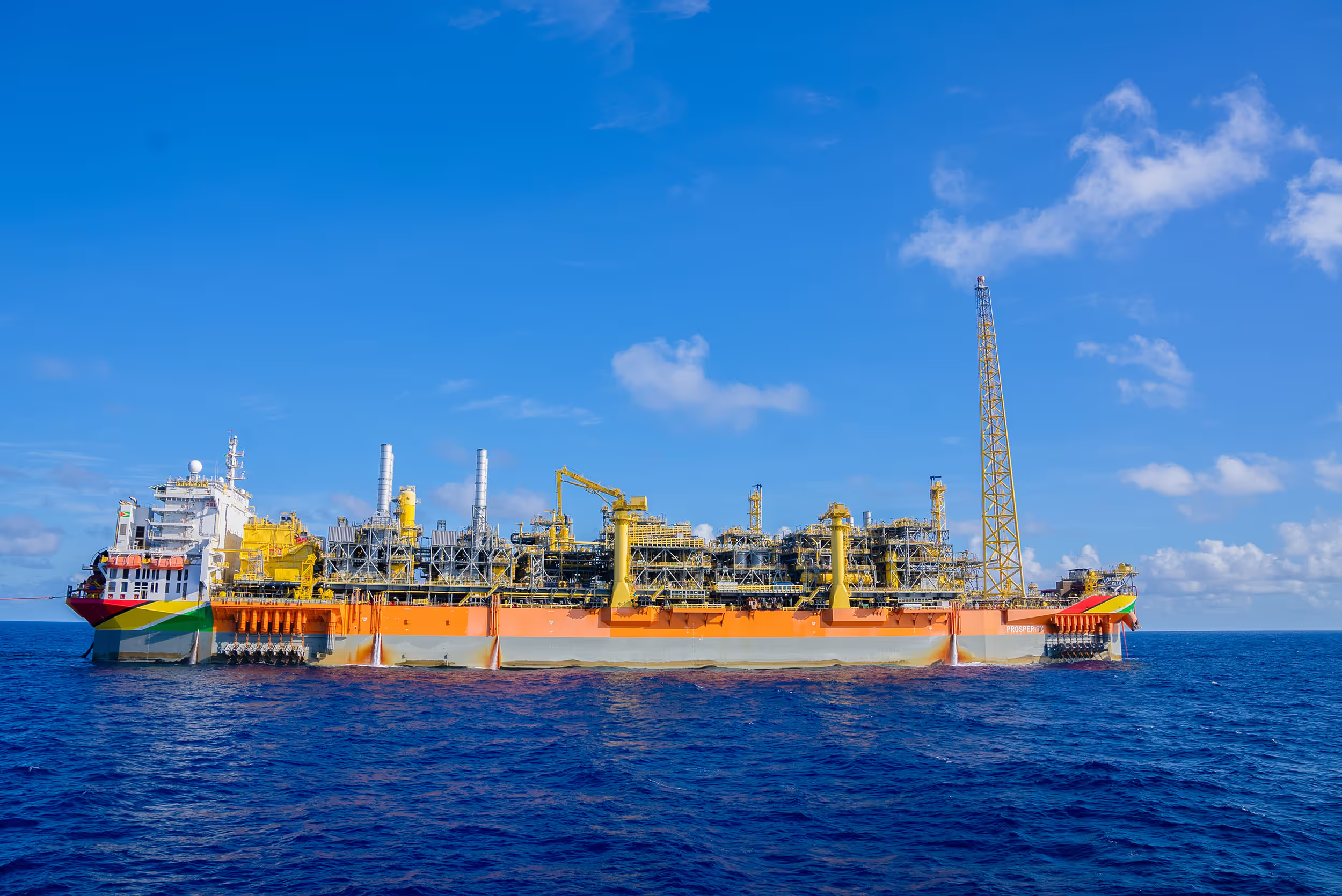
For Guyana, the position comes as the country expands its petroleum industry while pursuing a separate agenda to increase renewable energy generation and improve electricity supply.
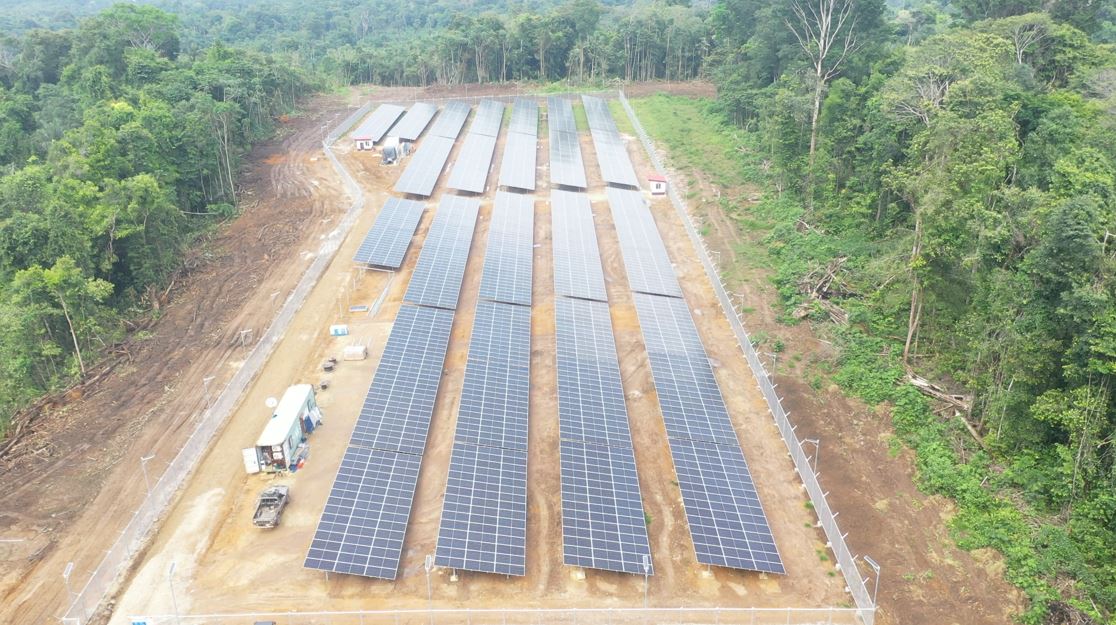
The country’s energy plans include large-scale solar development, hydropower and the gas-to-energy project, which is intended to use natural gas produced offshore to generate electricity onshore.
These initiatives raise an important question about how Guyana will balance the growth of its oil and gas sector with its stated low-carbon development ambitions and the wider international push towards cleaner energy.
The transition outlined in the communiqué is not presented as an immediate end to oil and gas production. Rather, Commonwealth leaders describe it as a process that should be just, orderly and equitable, while recognising that developing countries require financing and technology to make the shift.
That distinction is significant for countries such as Guyana, which are seeking to use natural resources to support economic development while also managing climate and environmental commitments.
The communiqué does not single out Guyana, impose a new country-specific requirement to end fossil fuel production or set a separate deadline for the country’s oil industry.
Instead, it sets out a shared Commonwealth position on the direction of energy policy, with the practical challenge for member states being how to finance and implement the changes while meeting their individual development needs.