














More than US$1.5 billion in contracts have been identified for ExxonMobil's latest offshore development, Longtail, with the potential value reaching US$2.75 billion.
Since ExxonMobil announced its final investment decision on November 12, three international contractors, Saipem, TechnipFMC and SBM Offshore, have confirmed major contracts linked to the US$12.5 billion project.
Together, they will undertake some of the most important work required to bring Longtail into production by 2030, including building the floating production vessel, manufacturing underwater equipment and installing infrastructure on the seabed.
However, while the companies have identified some work to be done in Guyana, none of their latest announcements provides a specific dollar value for the contracts that will be awarded to Guyanese businesses.
The largest disclosed contract is held by Italian engineering company Saipem, which confirmed on November 17 that it had received authorisation to proceed with work valued between US$1 billion and US$1.5 billion.
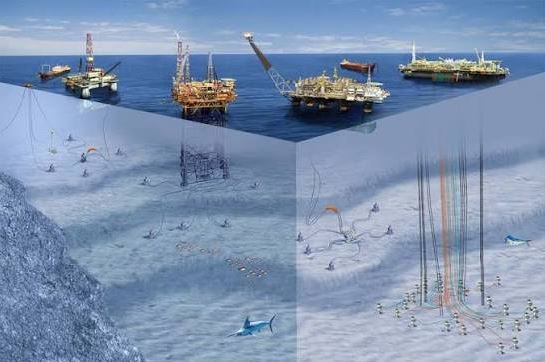
Saipem will design, procure, construct and install underwater infrastructure that will connect the offshore wells to the production facility.
The company had already received an initial authorisation worth approximately US$150 million in April to begin engineering and purchasing equipment ahead of final approval.
That earlier amount forms part of the project's contracting history and should not be counted as a separate additional award on top of the latest estimated overall contract value.
Saipem has confirmed that fabrication will take place at its Arbatax facility in Sardinia, Italy, while logistics will be handled through the Vreed-en-Hoop Shorebase in Guyana, with the involvement of local suppliers and resources.
This means some of the work will take place locally, although the company has not disclosed how much of its contract will be spent in Guyana.
Two days after Saipem's announcement, TechnipFMC confirmed two additional Longtail contracts.
The first, classified by the company as a large contract worth between US$500 million and US$1 billion, covers engineering and manufacturing of underwater production systems.
These include specialised equipment used to control the flow of oil, gas and other fluids from wells on the seabed.
The second contract, classified as significant and valued between US$75 million and US$250 million, covers the design and manufacture of flexible production risers, which help transport fluids between underwater infrastructure and the floating production facility.
Taken together, TechnipFMC's contract classifications represent between US$575 million and US$1.25 billion.
The company did not disclose the precise contract values or identify how much of the work will be undertaken in Guyana.
Importantly, TechnipFMC said both awards had already been included in its order books in previous quarters, meaning the work was commercially committed before the November announcement.
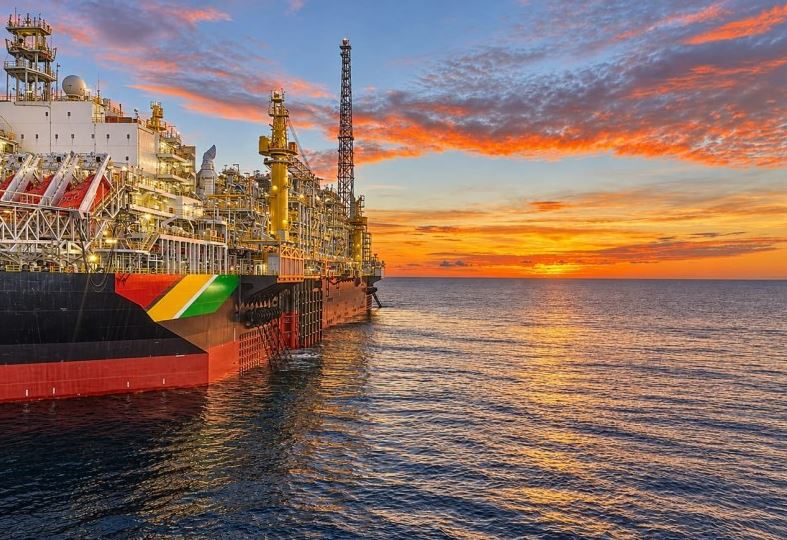
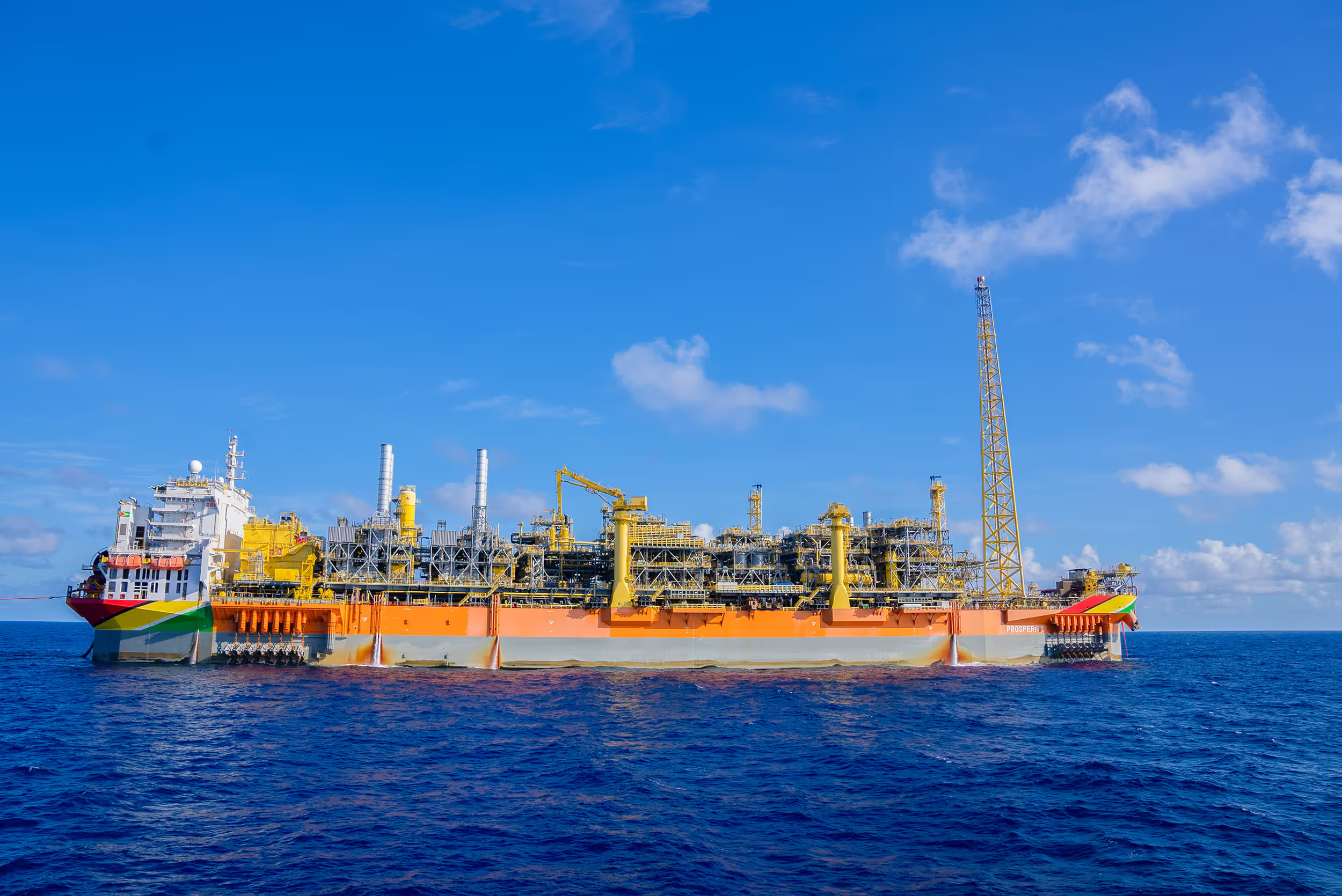
Meanwhile, SBM Offshore has secured contracts to construct and install Longtail's floating production, storage and offloading vessel, commonly called an FPSO.
The vessel will serve as the main offshore processing facility, designed to handle approximately 1.2 billion cubic feet of gas daily and produce up to 250,000 barrels of condensate.
SBM Offshore is also expected to operate the vessel for an initial 10 years.
Unlike Saipem and TechnipFMC, SBM Offshore has not publicly disclosed the value of its latest Longtail contracts.
However, the company has specifically committed to sourcing some fabrication work locally and recruiting Guyanese engineers to participate in the construction and operational phases.
Who controls the contracts?
ExxonMobil Guyana is the operator of the Stabroek Block, where Longtail will be developed.
It holds a 45 per cent participating interest, alongside Hess Guyana Exploration Limited, now part of Chevron, with 30 per cent, and China's CNOOC with 25 per cent.
As operator, ExxonMobil manages the development on behalf of the joint venture and awards major contracts to specialist companies responsible for delivering different parts of the project.
These companies are commonly referred to as Tier One or prime contractors.
For Longtail, SBM Offshore is responsible for the floating production vessel, Saipem for major underwater construction and installation, and TechnipFMC for specialised subsea production equipment.
The Tier One contractors may then purchase goods and services from other companies, including Guyanese businesses.
For example, a company managing offshore construction may need transportation, accommodation, equipment maintenance, fabrication, catering, warehousing and other services.
These opportunities can reach Guyanese suppliers either through direct contracts with ExxonMobil or through subcontracting arrangements with the larger international companies.
But the total value of a Tier One contract should not be confused with the amount eventually spent on Guyanese businesses.
A contract worth US$1 billion may include equipment manufactured overseas, specialised engineering, international vessels and imported materials, alongside services purchased in Guyana.
What does Guyana's local content law guarantee?
Guyana's Local Content Act establishes minimum participation requirements for Guyanese businesses and workers in 40 specified categories of petroleum-sector activity.
These include services such as transportation, accommodation, catering, legal services and certain engineering and fabrication-related work.
The legislation applies to operators and relevant contractors and subcontractors, requiring them to plan and report on local participation.
However, the law does not prescribe a specific minimum Guyanese share for every type of specialised offshore equipment or construction activity.
That distinction is particularly relevant to Longtail, where some of the largest contracts involve advanced subsea manufacturing and international offshore construction.
Guyanese companies are not prohibited from competing for work outside the categories listed in the legislation, but there is no automatic guarantee that a fixed percentage of every major international contract must be awarded locally.
The Government has indicated that it is reviewing the legislation to expand the areas reserved for Guyanese participation.
What has ExxonMobil spent locally so far?
ExxonMobil says that it and its contractors have spent more than US$3.9 billion with Guyanese suppliers since 2015.
The company also reported that approximately 6,000 Guyanese support operations in the Stabroek Block.
These figures reflect activity across the wider petroleum development programme, not Longtail alone.
They therefore do not establish how much money or employment the eighth development will generate specifically for Guyana.
Longtail will involve approximately 45 subsea production and injection wells, alongside the construction and installation of an FPSO capable of processing large volumes of natural gas and condensate.
The project represents another major investment in Guyana's petroleum sector, with contracts expected to support work over several years.