

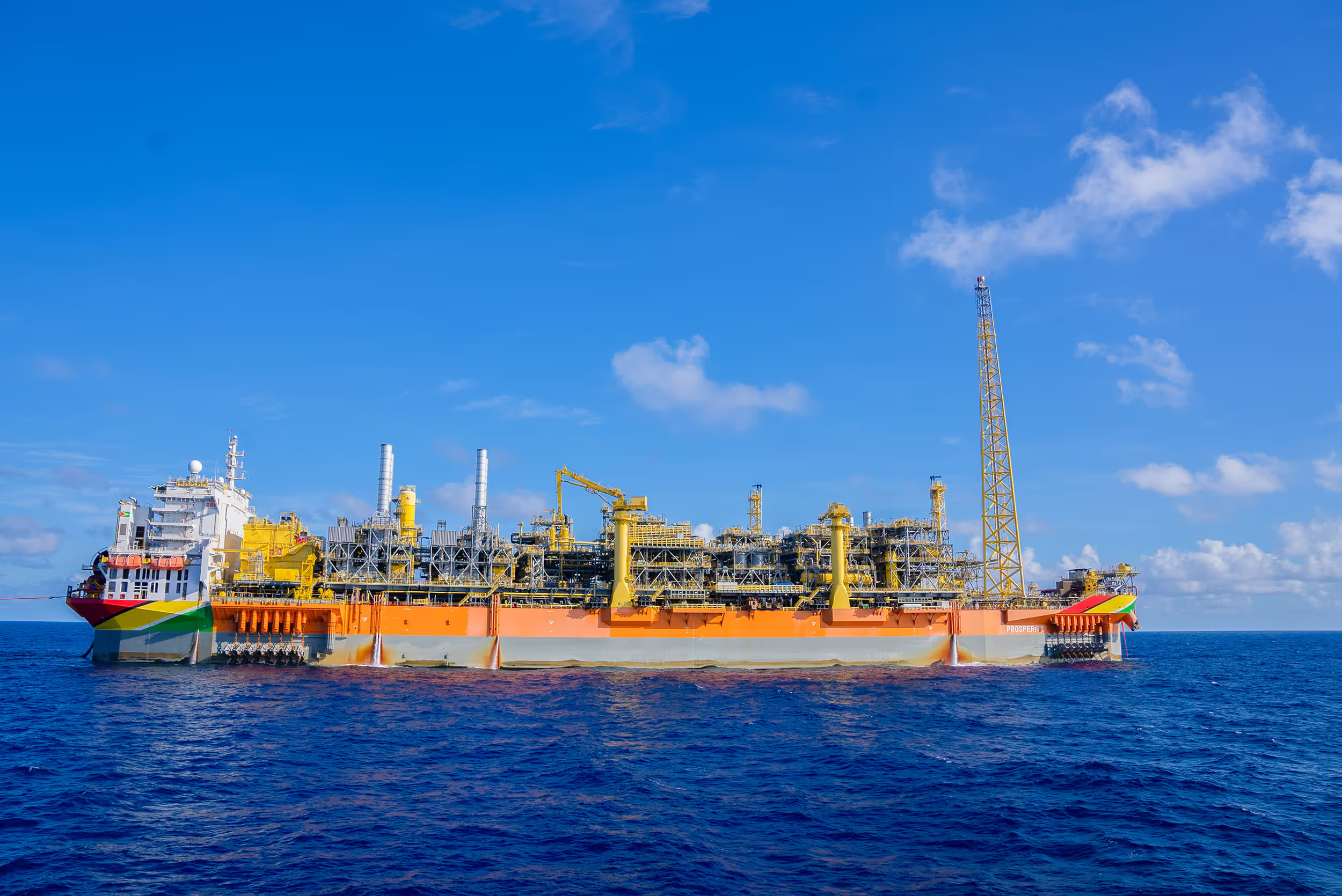














Guyana's Environmental Protection Agency (EPA) has the authority to independently verify wastewater discharged from ExxonMobil's US$12.5 billion Longtail offshore project, even as the company is required to conduct daily monitoring and report its findings to the regulator.
Under the environmental permit issued for the country's eighth offshore petroleum development, ExxonMobil must monitor several types of wastewater discharged into the Atlantic Ocean, including cooling water, produced water, bilge water and sewage.
However, Condition 15.5 of the permit allows the EPA to order the sampling and analysis of any project discharge by an independent institution approved by the Agency, with ExxonMobil required to cover the cost.
The provision gives the regulator a mechanism to verify the company's reported results rather than relying solely on information submitted by the operator.
The permit also sets specific limits on the oil content of produced water, which is water brought to the surface during petroleum production.
Under Condition 4.4, the oil content must not exceed 42 milligrams per litre on any single day or a monthly average of 29 milligrams per litre. ExxonMobil must conduct sampling and submit the results to the EPA.
Condition 4.21 further requires the company to measure and report the temperature of cooling water discharged from the offshore facility every day.
Additionally, ExxonMobil must notify the EPA within 24 hours after the company or a third party becomes aware of any non-compliance with the permit.
The EPA has previously said its offshore monitoring system includes access to live operational data from production vessels, satellite monitoring to detect possible oil releases and independent water-quality sampling.
The Agency has also said breaches of environmental permit conditions can attract enforcement action, including suspension or revocation of a permit.
Requiring operators to monitor and report their own discharges is also part of offshore regulatory arrangements in countries such as the United Kingdom and the United States, where regulators retain inspection and enforcement powers.
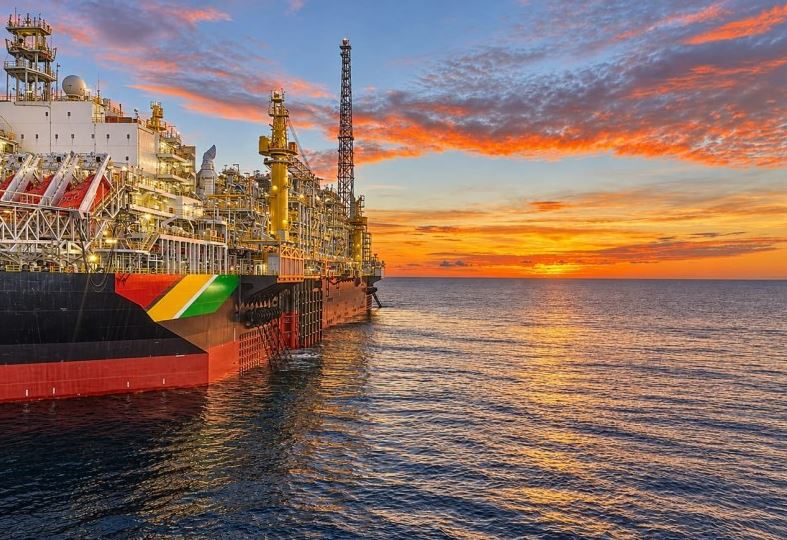
Longtail, approved by the Government on November 12, will be Guyana's first offshore development focused on non-associated natural gas and condensate.
The project is expected to begin production in 2030, with a floating production vessel designed to process approximately 1.2 billion cubic feet of gas daily and produce up to 250,000 barrels of condensate per day.