















As Guyana's economy continues its rapid expansion, one of the country's most pressing challenges remains ensuring that electricity infrastructure can keep pace with growing demand from households, businesses and emerging industries. Against this backdrop, regional energy company InterEnergy Group has signalled its intention to play a significant role in the transformation of Guyana's power sector.
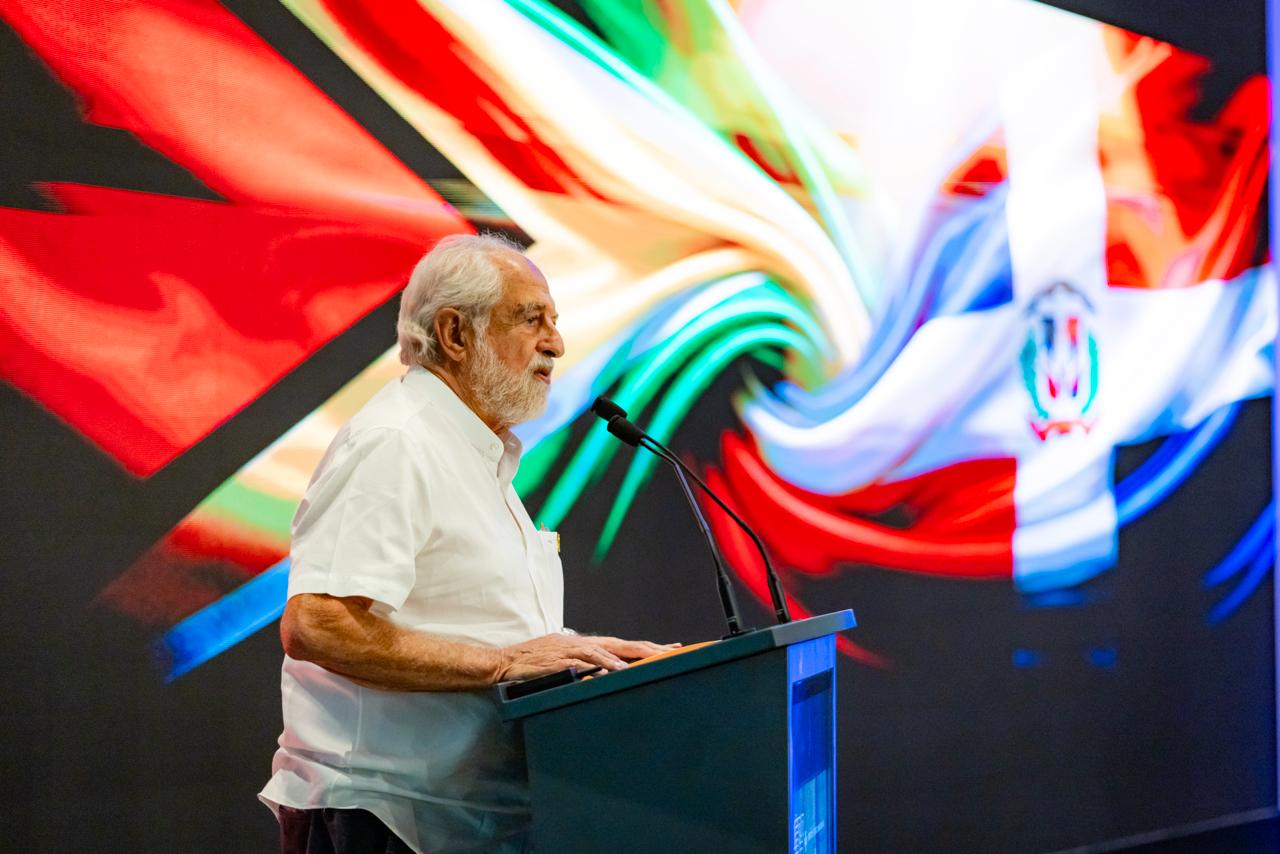
During a presentation to President Dr. Irfaan Ali, senior government officials, business leaders and members of the media, InterEnergy outlined its ongoing work with Guyana Power and Light Inc. (GPL) and its broader vision for helping to build a more reliable, resilient and technologically advanced electricity network.
The event coincided with the inauguration of the company's new Georgetown office, a move that executives said reflects a long-term commitment to Guyana's development and energy future.
The presentation comes at a critical time for Guyana. The country's unprecedented economic growth, driven largely by its expanding oil and gas sector, has intensified pressure on existing electricity infrastructure. New housing developments, commercial expansion, industrial projects and digital services are all increasing demand for stable and reliable power.
While economic growth has accelerated, electricity reliability remains a concern for businesses and residents, making power sector upgrades a central component of the government's broader development agenda.
InterEnergy's current role stems from an agreement with GPL aimed at supporting the utility's modernization efforts. The company is providing technical supervision, project management, power plant optimization services and asset management support while assisting in the development of a long-term Smart Grid strategy extending to 2030.
According to figures presented by the company, work currently being supported includes the construction and development of more than 350 kilometres of transmission lines and 240 kilometres of distribution networks.
Additionally, 16 new or expanded substations are being developed, while 20,000 smart meters are being deployed across the country.
These projects are intended to address longstanding weaknesses in the electricity network, improve reliability, reduce system losses and prepare the grid for future increases in demand.
The emphasis on smart metering and digital infrastructure also signals a shift toward a more data-driven electricity system capable of better monitoring consumption patterns, identifying faults and improving operational efficiency.
One of the most significant aspects of InterEnergy's presentation was its focus on developing a Smart Grid roadmap for Guyana through 2030.

A smart grid integrates digital technology into electricity transmission and distribution systems, allowing utilities to manage supply and demand more efficiently, respond more quickly to outages and better incorporate renewable energy sources.
For Guyana, such a transition could become increasingly important as the country seeks to diversify its energy mix and reduce dependence on traditional generation sources.
InterEnergy said the roadmap includes the integration of renewable energy technologies, battery energy storage systems and advanced grid management tools designed to improve overall system resilience.
The company also used the event to highlight experience gained across the Caribbean and Latin America, particularly through its operations in the Dominican Republic.
InterEnergy operates CEPM, which it describes as one of the region's most advanced smart-grid utilities. The company also pointed to its experience in battery storage systems, digital utility platforms serving millions of users and electric vehicle charging infrastructure through its Evergo network.
By emphasizing these capabilities, InterEnergy appears to be positioning itself not only as a contractor or consultant on current projects but as a potential long-term strategic partner in Guyana's evolving energy landscape.
Speaking at the event, InterEnergy Chairman and Chief Executive Officer Rolando González Bunster argued that electricity infrastructure will be a determining factor in whether Guyana can fully capitalize on its economic opportunities in the years ahead.
His remarks reflect a broader reality facing the country. While Guyana's economy continues to post some of the world's fastest growth rates, sustaining that growth will require substantial investment in supporting infrastructure, particularly electricity generation, transmission and distribution.
As government and private sector stakeholders pursue ambitious development plans, the success of projects aimed at modernising the electricity network will likely play a central role in determining how effectively Guyana converts economic growth into long-term national development.
The company's presentation therefore served not only as an update on ongoing projects but also as a reminder that the modernization of Guyana's power sector remains one of the most critical foundations for the country's future growth and competitiveness [Press release]



.png)


.png)