
















Guyana could soon find itself benefiting from soaring oil prices while simultaneously paying the price for them.
Global oil markets remain on high alert as inventories continue to shrink amid disruptions linked to the Middle East conflict and the prolonged closure of the Strait of Hormuz, one of the world's most critical energy shipping routes.
Just a week after ExxonMobil Senior Vice President Neil Chapman warned that global oil stockpiles were reaching critically low levels, fresh reports from industry analysts at Reuters and the International Energy Agency say the situation has not improved. Physical crude inventories continue to decline, raising concerns that a severe supply crunch could trigger a sharp spike in oil prices in the next few months Some forecasts suggest crude could surge to between US$150 and US$160 per barrel if remaining market buffers are exhausted.
For most countries, higher oil prices are simply bad news. For Guyana, the picture is more complex.
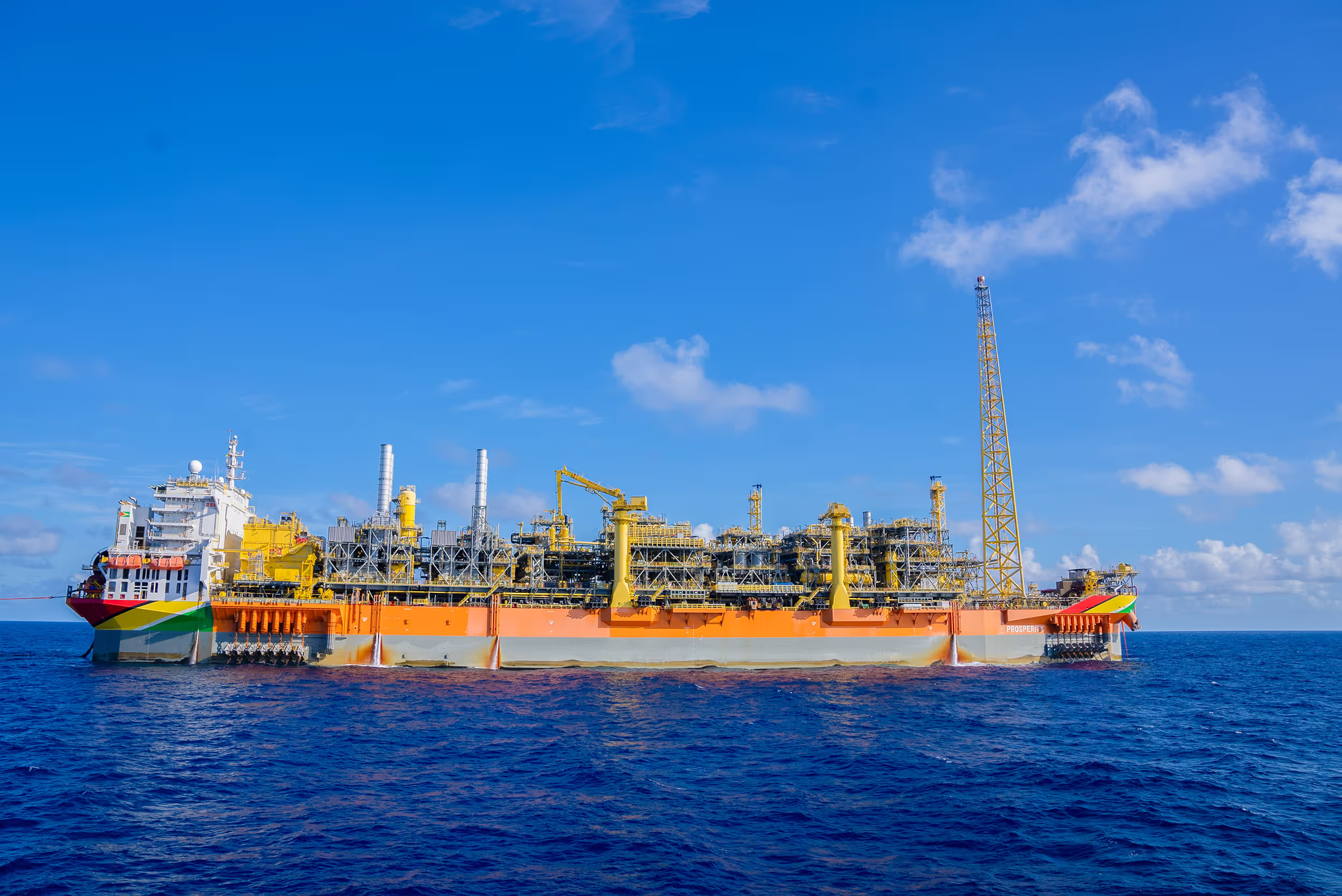
As one of the world's fastest-growing oil producers, Guyana stands to earn significantly more from higher crude prices. Increased prices would boost the value of the country's profit oil and royalty earnings, potentially generating hundreds of millions of additional US dollars for the Natural Resource Fund.
With offshore production expected to surpass one million barrels per day in the coming months, every sustained rise in oil prices translates into higher government revenues. Simply put, a barrel selling for US$150 generates far more income than one selling for US$70 orUS$80.
But while the government may benefit,ordinary Guyanese could face a different reality.
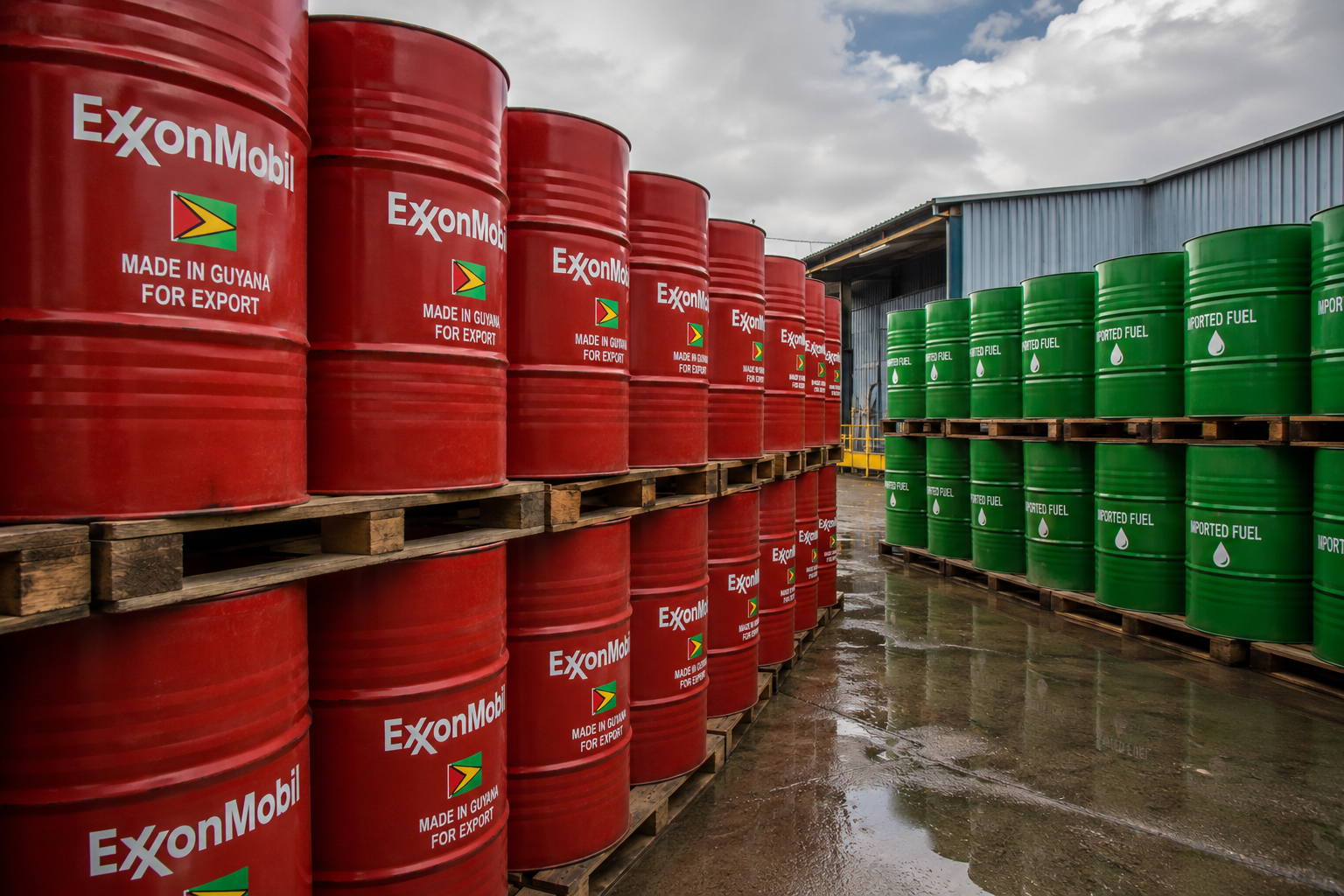
Despite producing vast quantities of crude offshore, Guyana still imports virtually all of the gasoline, diesel, jet fuel and cooking gas used across the country. Without a refinery to process its own crude, Guyana remains dependent on international markets for fuels.
If prices climb as Reuters analysts predict, drivers could face higher gasoline and diesel costs and businesses that rely on fuel-powered equipment across the agriculture and manufacturing sectors may be forced to pass those costs on to consumers.
Farmers depend on diesel-powered machinery, fishermen rely on fuel for their vessels, and freight companies face higher transportation costs. Over time, those increases can drive up the prices of food, construction materials and other imported goods.
Electricity costs could also come under pressure. While Guyana is advancing major projects such as the Gas-to-Energy initiative and currently the government subsidises electricity costs, much of its power generation still relies on imported fuel.
If supplies remain constrained and prices continue climbing, Guyana could find itself collecting record oil revenues while households and businesses grapple with rising fuel and transportation costs.



.png)



.png)