


















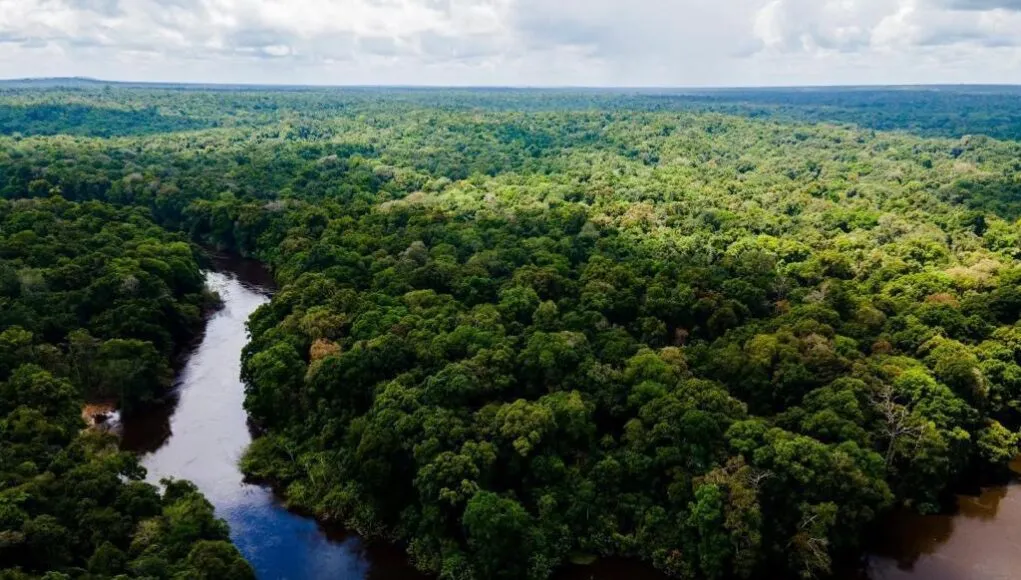
Guyana has earned more than US$353 million from the sale of carbon credits since 2022, a milestone that has placed the country at the forefront of global climate finance and forest conservation.
But beyond the hundreds of millions of dollars and international recognition lies a story that is increasingly being felt in villages, schools, homes and businesses across the country.
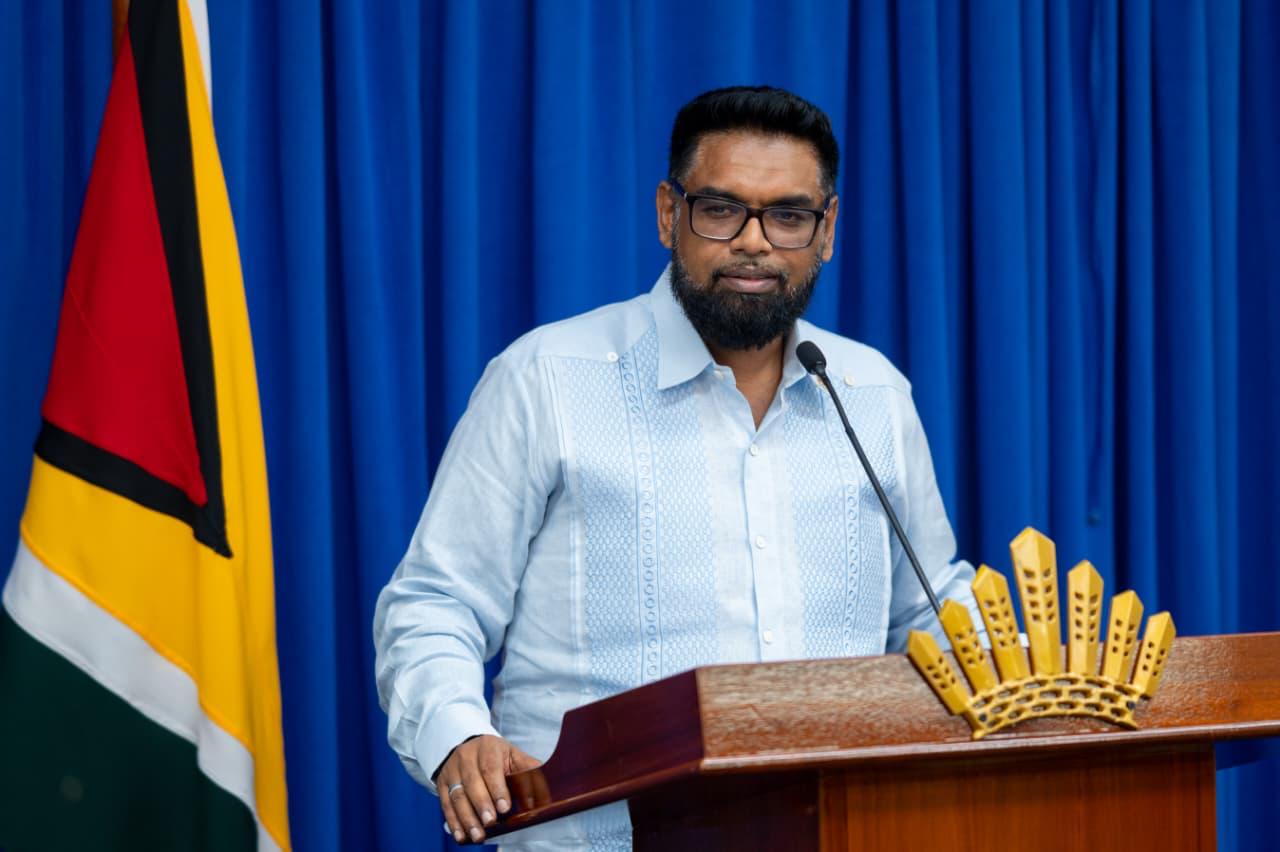
According to Senior Director of Climate and REDD+ in the Office of the President, Pradeepa Bholanath, Guyana's forests are not only helping the world fight climate change—they are generating tangible benefits for thousands of Guyanese, particularly Indigenous communities that have long served as stewards of the country's natural resources.
Speaking on the Starting Point programme on Sunday, Bholanath revealed that Guyana has earned a total of US$353 million from carbon credit sales since becoming the world's first country to receive jurisdictional-scale forest carbon credits under the ART-TREES standard.
"In November 2022, Guyana became the first country globally to be issued jurisdictional-scale carbon credits," she explained.
That certification made approximately 33 million carbon credits available for the period 2016 to 2020 and paved the way for a landmark US$750 million agreement for the sale of a portion of those credits.
Since then, Guyana's participation in international carbon markets has expanded significantly.
"We've been able to expand those market opportunities in ways that we didn't even envision, to the point now where to date, since 2022, we have earned a total of US$353 million from the sale of carbon credits," Bholanath said.
The credits represent carbon stored in Guyana's vast forests that remains locked away because the country has successfully protected its natural environment.
"It represents the carbon stored within the forest that we managed to conserve by taking care of the forest and by implementing effective policies," Bholanath explained.

Senior Director of Climate and REDD+ in the Office of the President, Pradeepa Bholanath
While the figures are impressive, government officials say the true success of the programme can be seen in the thousands of projects now taking shape across Indigenous villages.
Under Guyana's Low Carbon Development Strategy (LCDS) 2030, the government committed to directing at least 15 per cent of all revenues earned from carbon credit sales to Indigenous peoples and local communities.
That commitment has already translated into nearly 3,000 projects across the country.
"To date, we have seen close to 3,000 projects implemented at the village level," Bholanath disclosed.
The projects are driven by Village Sustainability Plans, allowing communities themselves to identify priorities and determine how funds should be invested.
The plans are developed by residents, approved by village councils and designed to address local needs while creating long-term opportunities.
Bholanath described the initiative as one of the greatest achievements of LCDS 2030.
"To my mind, one of the biggest successes of the implementation of LCDS 2030," she stated.
Today, 252 Indigenous villages receive annual allocations ranging from approximately $10 million to $35 million, depending on population size.
The funds have financed a diverse range of projects, from school kitchens that support feeding programmes to bakery businesses, daycare facilities, agricultural ventures and other income-generating enterprises.
For many villages, the investments represent more than infrastructure or new services. They offer opportunities for economic independence, improved quality of life and community-led development.
Funding has been distributed annually since 2023, allowing communities to pursue projects tailored to their unique cultural, social and economic realities.
The investments also reinforce a central principle of Guyana's climate strategy: that the people who have protected the forests for generations should directly benefit from the value those forests now generate.
As countries around the world search for solutions to climate change, Guyana's model is attracting growing international attention.
The country remains one of the most heavily forested nations on earth, with more than 85 per cent of its land covered by forests. By preserving those forests rather than exploiting them, Guyana has demonstrated that environmental protection can generate significant economic value.
For thousands of Guyanese, however, the impact is measured not in carbon credits or international agreements, but in new businesses, better facilities, improved services and opportunities that are helping communities build a more sustainable future.
In that sense, the country's forests are doing far more than storing carbon. They are helping to finance development, strengthen livelihoods and ensure that conservation delivers benefits to the people who depend on the land most.



.png)


.png)