
















Guyana's offshore oil operations continue to cement the country's position at the heart of ExxonMobil's global growth strategy, helping drive the company's highest upstream production in more than two decades and underpinning another blockbuster quarterly profit.
ExxonMobil on Friday reported second-quarter 2026 earnings of US$14.5 billion under Generally Accepted Accounting Principles (GAAP), while adjusted earnings reached US$14.7 billion. For the first half of the year, the company earned US$18.7 billion on a GAAP basis and US$23.5 billion in adjusted earnings.
The company's upstream business, the segment that includes crude oil and natural gas production, generated US$7.9 billion in second-quarter earnings, or US$9.2 billion on an adjusted basis, with Exxon specifically attributing stronger performance to "advantaged volume growth" from Guyana and the Permian Basin in the United States.
In its second-quarter earnings presentation, Exxon said production growth from Guyana and the Permian propelled the company's strongest upstream output in more than 20 years, excluding production losses linked to geopolitical disruptions in the Middle East.
The performance highlights the increasing strategic importance of Guyana's Stabroek Block, where production has expanded rapidly since first oil in 2019 and has become one of the company's most valuable assets.
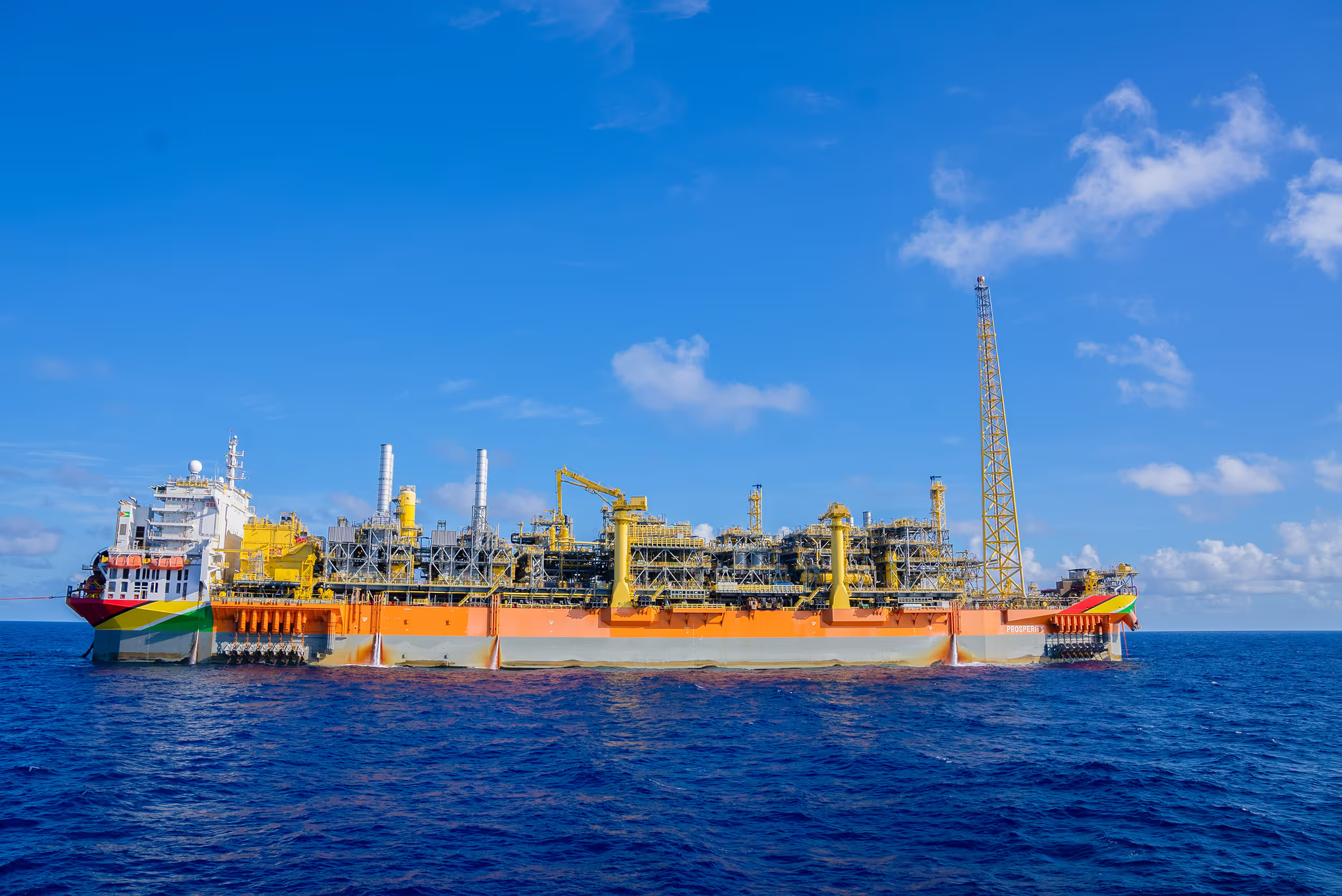
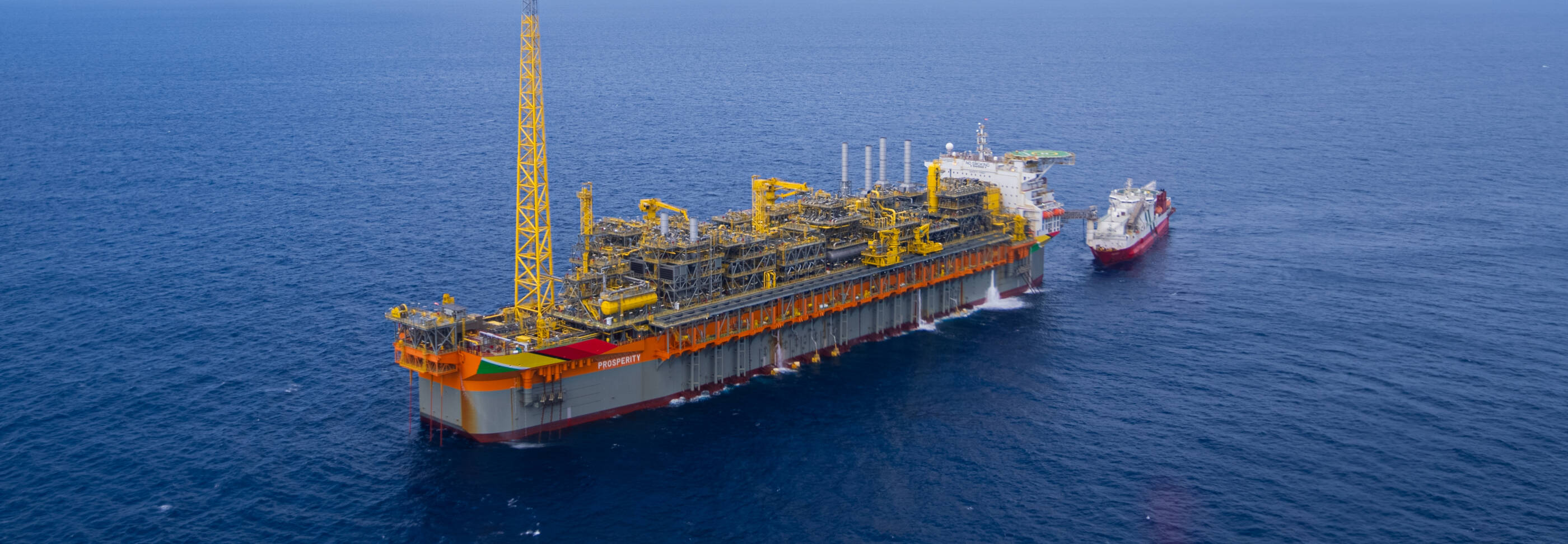
While Exxon did not disclose Guyana's quarterly production volumes in its earnings report, publicly available operational data indicate that production offshore Guyana averaged 900,000 barrels per day during the second quarter of 2026, primarily from the Liza Destiny, Liza Unity, Prosperity and ONE GUYANA floating production, storage and offloading (FPSO) vessels.
The company reports net entitlement production, the volume of oil it is entitled to book after accounting for the production sharing agreement, royalty payments and cost recovery, not totalfield production. Because entitlement volumes fluctuate with oil prices and the level of recoverable costs, they are typically lower than gross production.
That distinction is reflected in Exxon's outlook for the current quarter. The company said it expects Guyana net entitlement production to decline by about 100,000 barrels per day in the third quarter, even though physical production offshore is expected to remain strong.
The company also highlighted the strong operational performance of its Guyana developments, noting that the first four FPSOs are continuing to exceed their original investment expectations while achieving 98 per cent reliability so far this year.
That level of reliability has enabled Guyana to become one of the world's fastest-growing sources of new oil supply while helping Exxon maintain high-margin production at a time when some operations elsewhere have been affected by geopolitical tensions.
Looking ahead, Exxon said development of Guyana's offshore resources remains a central pillar of its long-term strategy. The company confirmed that work continues toward a ninth FPSO targeted for start-up around 2031, while maintaining that its "design one, build many" approach has allowed projects in Guyana to be delivered more quickly and efficiently than many comparable deepwater developments worldwide.



.png)
.jpg.jpeg)