
















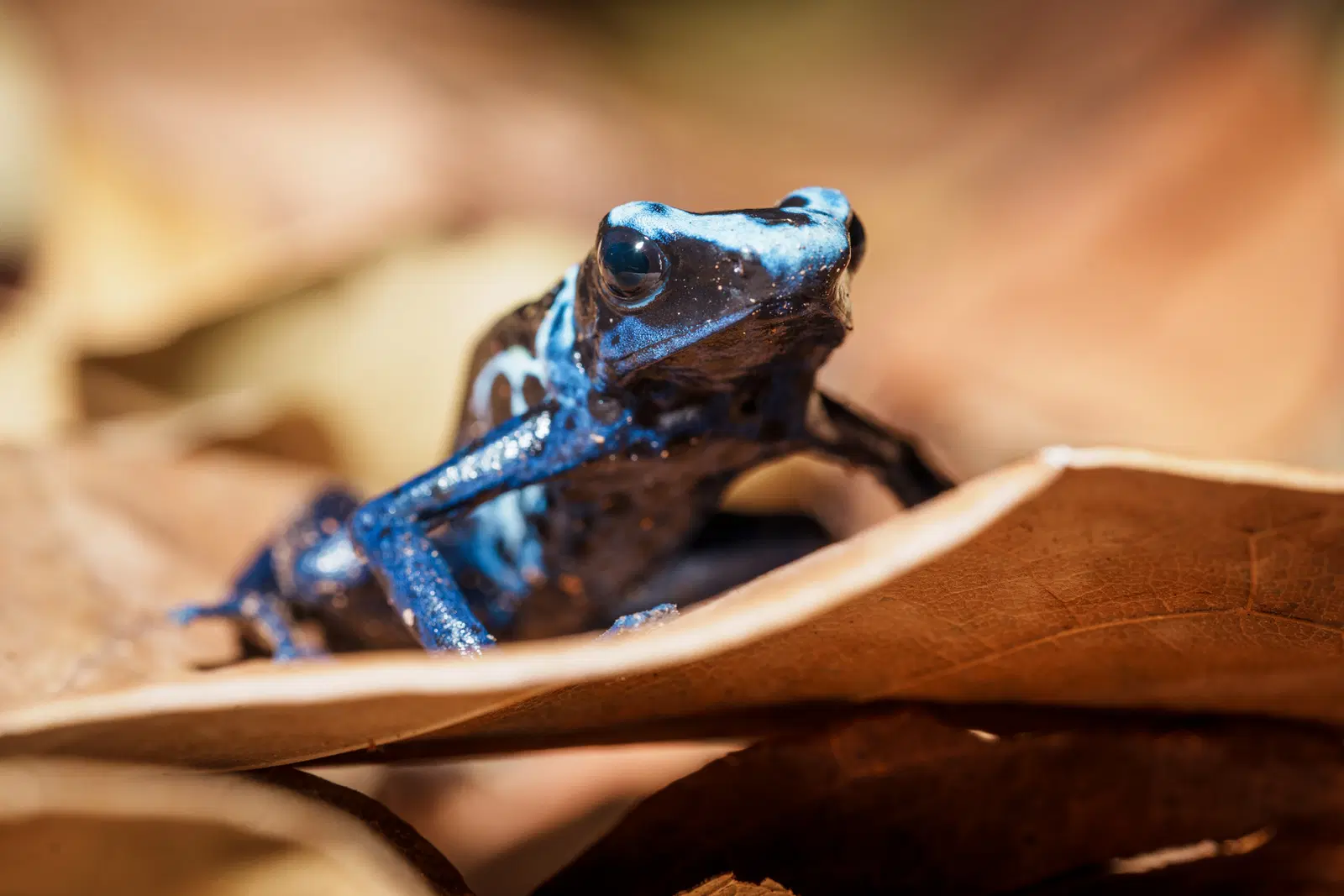
Best known for its burgeoning oil and gas industry, Guyana is again pressing the case for protecting the world’s living organisms through the Global Biodiversity Alliance (GBA).
The alliance’s second summit opened in Georgetown on Friday, with President Dr. Irfaan Ali calling for expanded financing to protect the world’s biodiversity.
Led by the Government of Guyana, the GBA is an open, voluntary international platform bringing together governments, multilateral organisations, businesses, Indigenous Peoples and local communities, academia, scientists and civil society. It aims to raise global ambition and collaboration for the protection, restoration and sustainable use of biodiversity, including support for the global target of conserving at least 30 per cent of the planet’s land and oceans by 2030. Currently, there are nearly 150 members, including countries, non-profit organisations, private sector bodies and civil society groups.
The summit, on Oct. 30-31, focuses on financing. It brings together development banks, the private sector, communities and other partners to look at which financing instruments exist, how they can be scaled up and replicated, and how the region can benefit.
That focus comes as governments agree there is a huge funding gap. The biodiversity funding gap is estimated at about US$700 billion a year, and recent international efforts have mobilised only US$1.8 billion, far short of a stated annual target of US$200 billion. The money would be used to protect the plants, animals and other living organisms found on Earth, and the ecosystems they live in.
For President Ali, money is key.
“We can have all the conversations we want about protecting biodiversity, but unless we change the economics of conservation, we will struggle to achieve the scale of change we want,” he said.

He also said philanthropy cannot carry the load alone. “Philanthropy is great, but it cannot be the basis and foundation upon which we view biodiversity,” he said. Instead, he urged countries to develop national projects for biodiversity protection and seek financing for those specific ventures.
Guyana’s model
Guyana, President Ali noted, has already shown how this can work. Through its carbon credit sales, the country is earning for keeping its forests intact, and he said it believes it can also be paid to protect biodiversity.
At the opening ceremony, philanthropic organisations announced a US12.5million(aboutG2.6 billion) pledge to support conservation of Guyana’s biodiversity-rich forests in the Acarai-Corentyne Corridor.
Oil and the environment
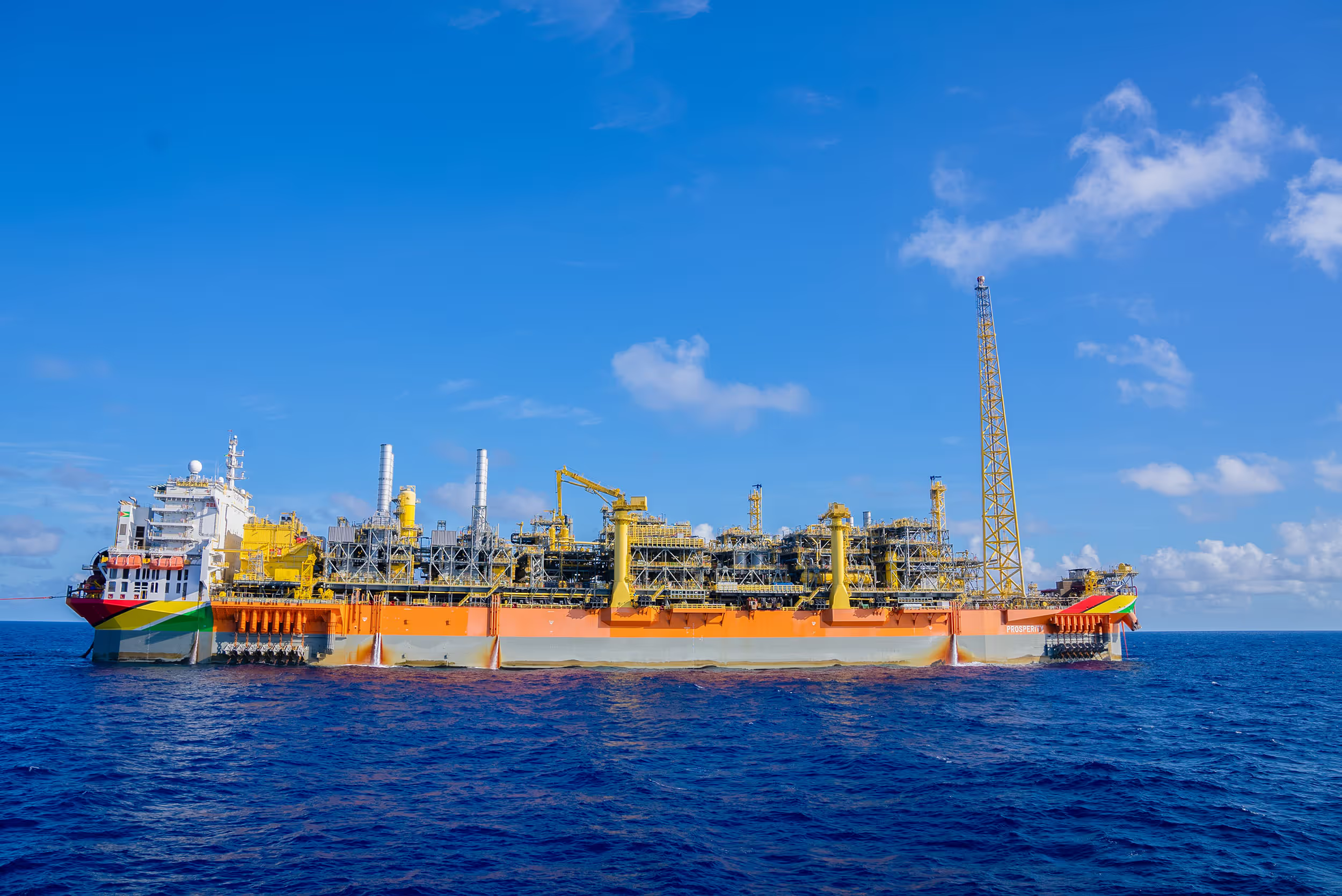
Vice President Bharrat Jagdeo said it would be easy to be distracted from the country’s environmental protection efforts, given the rapid development of the oil and gas sector. But he said Guyana has stayed firm on keeping its environmental credentials intact as the economy changes.
Guyana is now producing oil and gas and expects to become a major producer, he said. Even so, the country has a no-flaring policy and a carbon tax on unscheduled flaring. He said Guyana’s position remains that oil and gas must pay for its full externalities, meaning there must be a global carbon tax, a view he acknowledged most producing countries do not share.
Despite being a producer, Guyana has made a strong commitment to protect 30 per cent of its land by 2030, Jagdeo said.
He said funds received under the Low Carbon Development Strategy (LCDS) have been used to drive change in communities. President Ali, he noted, had pointed to more than 3,000 projects completed in 252 Indigenous villages, with the key success being the capacity those villages have built to implement projects. Indigenous villages received about 20 per cent of the LCDS funds, while the remaining 80 per cent went to adaptation.
That includes 840 kilometres of canals and 125 kilometres of embankment now under construction, along with the opening up of an area the size of Barbados outside the forest for agriculture. Jagdeo said this links climate-proofing the country with economic objectives.
Pressures of rapid change
Jagdeo acknowledged the challenges remain intense. Electricity demand has risen 25 per cent in two years, and Guyana is preparing to move from burning fossil fuels to gas for power. The country is importing 40,000 vehicles a year and building 12 new international hotels.
“We can pledge to you that we will remain firmly in favour of strong environmental stewardship here and globally,” he said.