

















Cheaper cooking gas, a large national fuel reserve, and possibly a refinery are among the initiatives under consideration by the Government of Guyana to lower energy costs, Vice President Dr. Bharrat Jagdeo said this week.
Speaking at the Guyana Manufacturing and Services Association’s annual awards and dinner on Thursday, Jagdeo said there are two ventures under consideration to secure diesel, gasoline and other fuels for national use: building a refinery, or creating a massive national strategic reserve.
Under the reserve option, Guyana would import fuel in bulk and store enough to last several months, Jagdeo said. That stockpile would cushion consumers from price swings and supply disruptions, such as those caused by a hurricane. Buying in bulk would also lower costs, he said.
"So we've been exploring this possibility," he told the gathering.
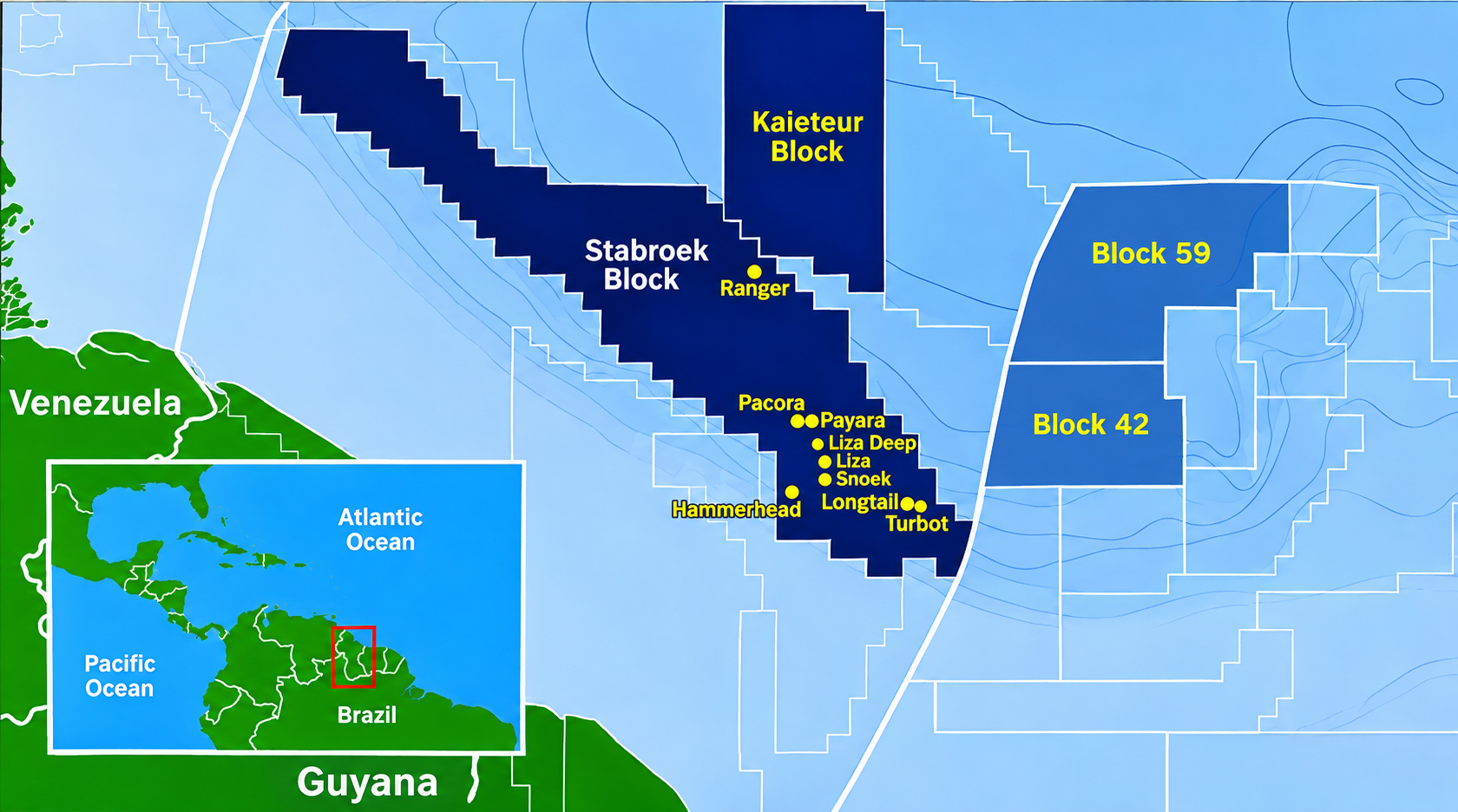
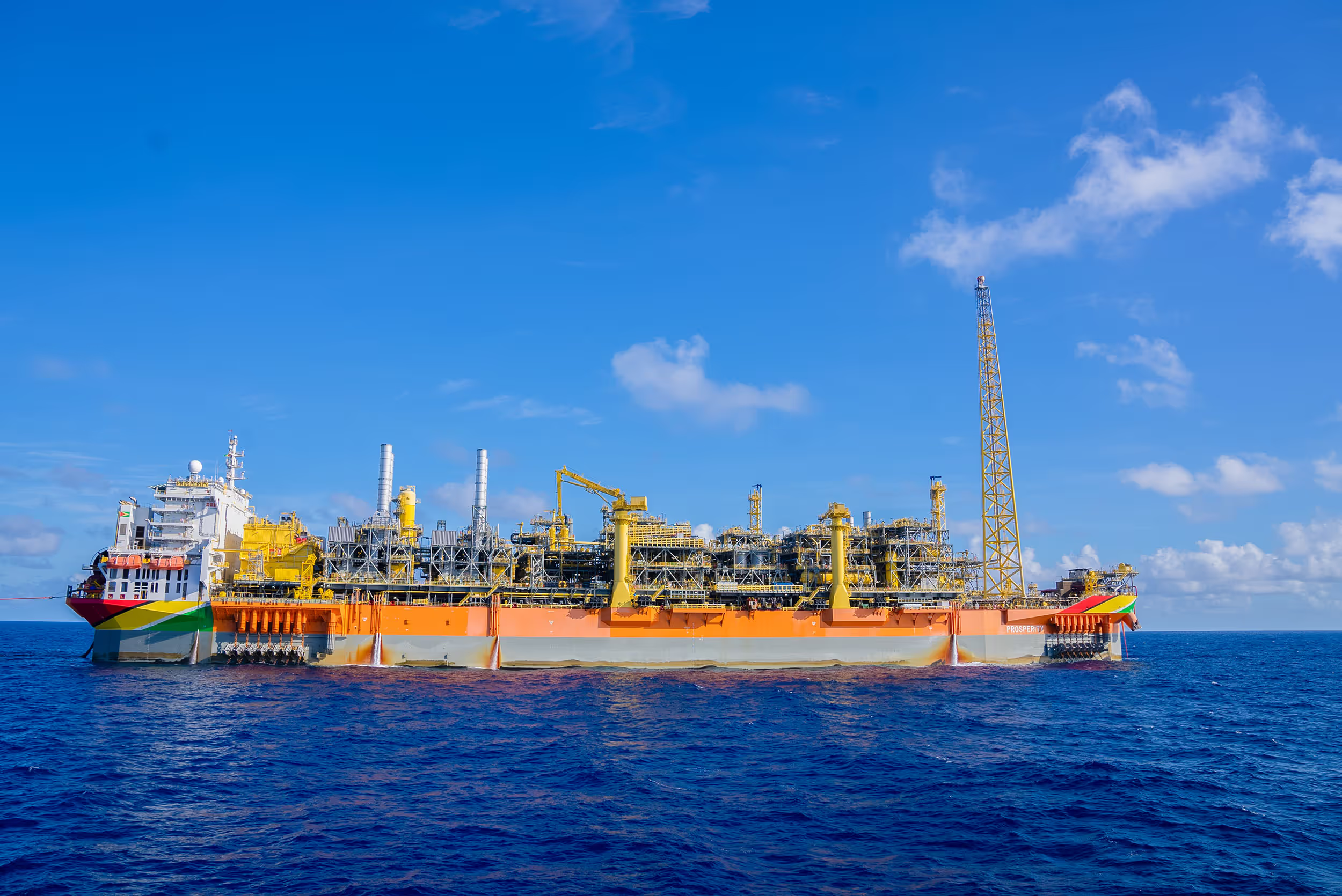
On the other front, the government has been considering a refinery for some time. Guyana produces about 900,000 barrels of crude oil a day offshore, a figure expected to top one million barrels early next year. That crude is exported, while refined products such as gasoline and diesel, are imported to meet local needs. The government is reviewing several proposals for a refinery but this nor the fuel reserve has been finalised.
However, Jagdeo said, “Those are the schools of thought that we are now monitoring; we are exploring that on the fuel side.”
While those ventures are being examined, more concrete plans are taking shape.
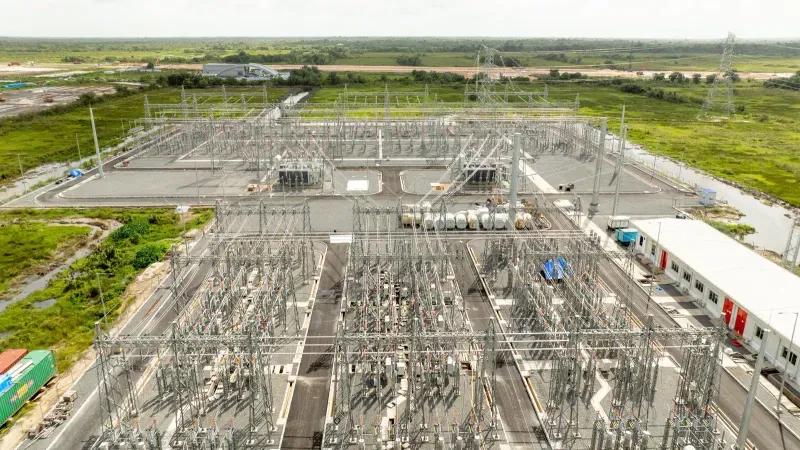
The government is aiming to cut the price of cooking gas by about half, from about G$5,500 a bottle now, once the Wales Gas-to-Energy project is up and running, and expects to export liquefied petroleum gas (LPG). The first turbine of the 300-megawatt project is due by December. Jagdeo has said the single-cycle units will be operational by the end of the first quarter of 2027, with the combined-cycle stage following around June.
LPG is a mix of propane and butane. Stored under pressure as a liquid, it is what most households know as cooking gas. It is also used for heating and as fuel for forklifts and industrial equipment. LPG is recovered when natural gas is processed, which is what the natural gas liquids (NGL) plant at Wales will do with gas piped from the Stabroek Block.
About a third of the LPG produced from the first phase of the project will supply the domestic market, Jagdeo said, with a lot of the rest to be exported. Project lead Winston Brassington has previously said the 50 million cubic feet of gas expected each day will yield about 4,100 barrels per day of liquids, including propane, butane and pentanes. Guyana currently uses about 1,000 barrels per day of cooking gas, he said, and the rest would be available for new industries and for export to northern Brazil and other parts of the Caribbean.
Cheaper LPG could also draw in business, Jagdeo suggested. Companies that use forklifts and other equipment could switch to LPG, and factories could begin using it as well.
Altogether, the initiatives point to a government trying to ensure that its gas and oil resources translate into lower costs for households and businesses.