














Three major gold mining developments in Guyana could collectively require approximately US$139.7 million (G$29 billion) for mine closure and environmental rehabilitation, according to technical and environmental reports published by the companies advancing the projects.
The estimates come as Guyana prepares for billions of US dollars in new mining investments while continuing to address the environmental damage left by decades of gold and bauxite extraction.
G Mining Ventures has estimated closure costs for its Oko West project at US$38.7 million, while Omai Gold Mines has allocated an estimated US$41 million for reclamation and closure in its preliminary economic assessment.
Aris Mining, in its November 2026 prefeasibility study for the proposed Toroparu gold project, estimated closure expenditure at US$60 million.
The costs cover activities such as rehabilitating disturbed lands, managing mining waste, removing hazardous materials and monitoring water quality long after production ends.
At Oko West, post-closure maintenance and monitoring are expected to continue for 30 years, with indefinite monitoring envisaged for its tailings storage facility.
However, G Mining Ventures disclosed in its 2025 environmental and social reports that formal financial assurance arrangements were still to be established in consultation with the Guyana Geology and Mines Commission (GGMC).
Aris Mining also disclosed that Toroparu, which remains at the pre-construction stage, does not currently have a financial assurance mechanism for mine closure.
These disclosures do not necessarily establish regulatory breaches.
Guyana is already confronting the environmental consequences of historical mining operations.
A Ministry of Natural Resources policy document identifies thousands of hectares of degraded lands resulting from decades of bauxite mining, including areas in Linden, Ituni, Kwakwani and Coomacka.
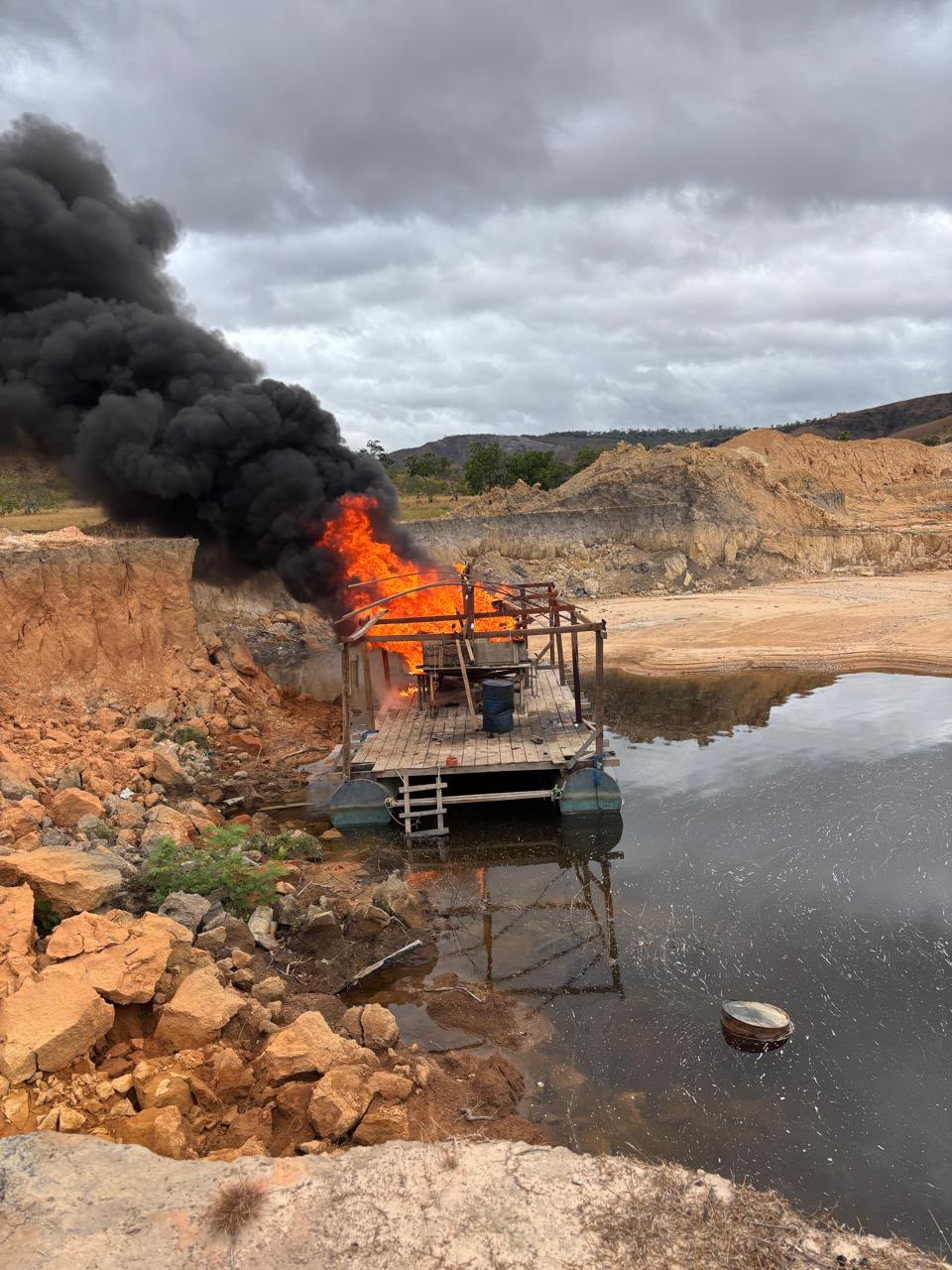
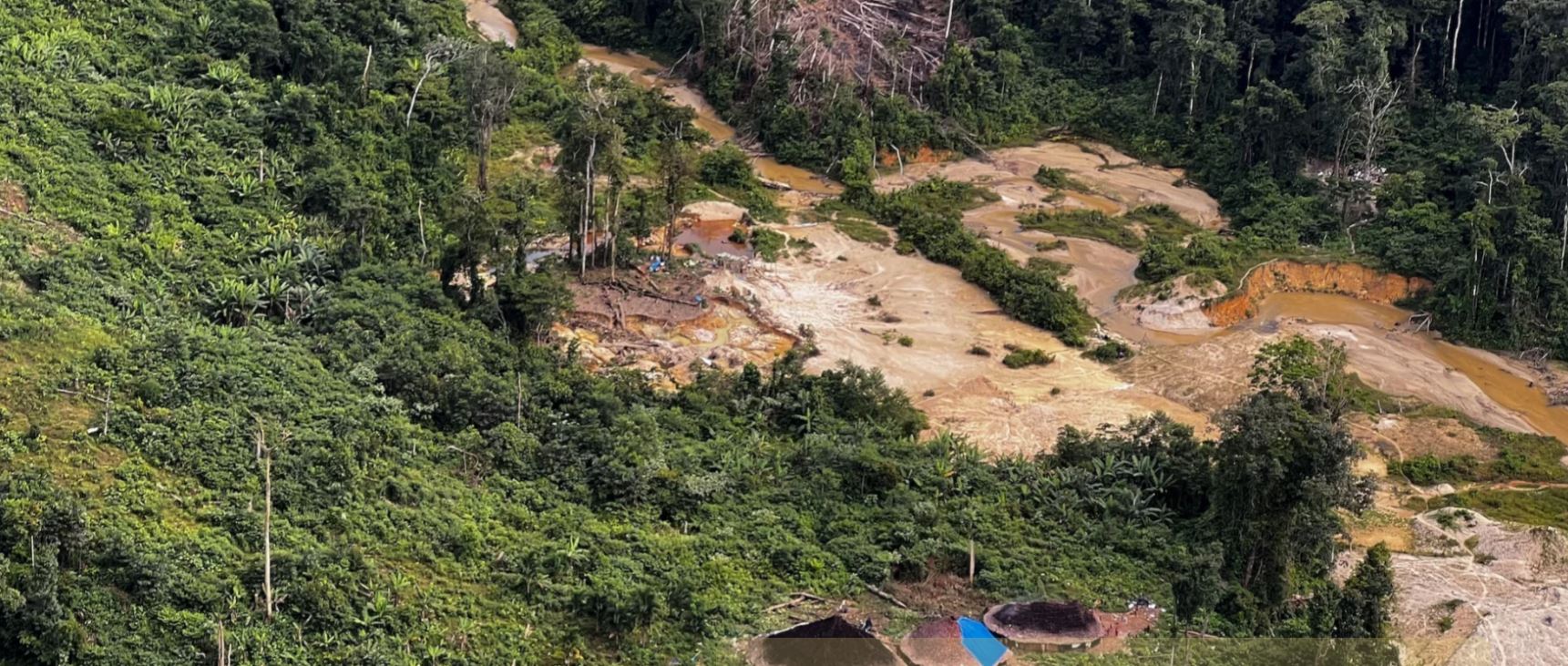
Small and medium-scale gold mining have also contributed to abandoned excavations, deforestation, sedimentation of waterways and mercury contamination.
The 1995 Omai tailings dam failure, which resulted in cyanide-contaminated water entering the Essequibo River system, remains one of the country's most significant mining-related environmental disasters.
Meanwhile, the government allocated G$425 million in Budget 2026 to support reclamation and reforestation projects, with restoration activities reported in Regions One, Eight and Ten.
Guyana's Mining (Amendment) Regulations of 2005 provide for environmental bonds, environmental management plans and mine closure plans.
The regulations allow the GGMC to use environmental bonds to undertake rehabilitation where operators fail to satisfactorily restore mined-out areas.
The Commission's Mine Reclamation and Closure Plans Code of Practice also encourages companies to rehabilitate lands throughout the productive lifespan of their operations rather than waiting until mining ends.