

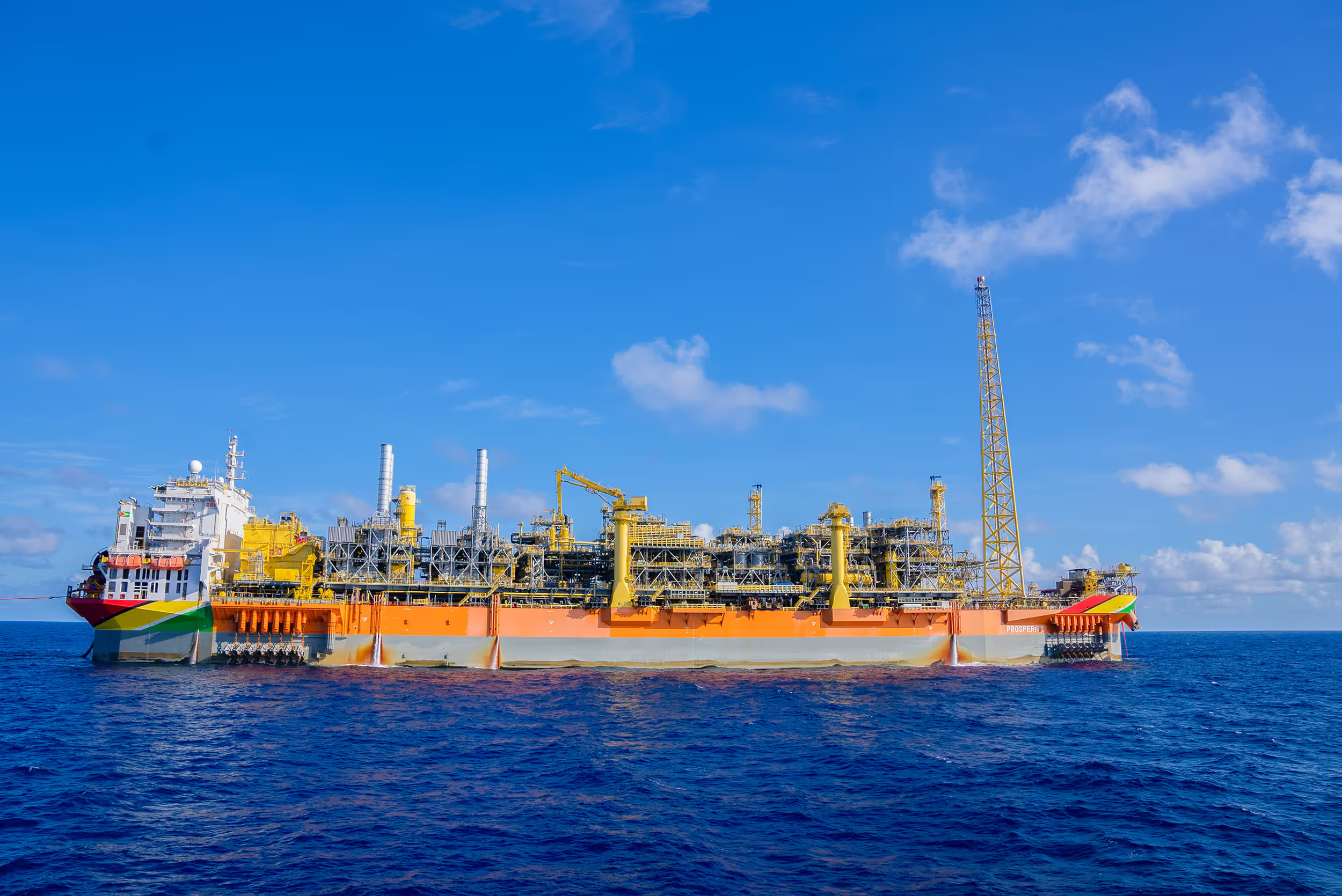













The Environmental Protection Agency’s (EPA) position on independent testing of wastewater discharges has brought an important issue into focus: as Guyana’s oil and gas industry expands, the country must continue building the technical expertise needed to monitor and manage its environmental responsibilities.
The development of the petroleum sector is creating opportunities across the economy, but it also requires skilled professionals who can carry out environmental testing, conduct field inspections, analyse samples and monitor natural resources. This is an important part of ensuring that Guyana has the local capacity to support a growing industry. We have to keep asking ourselves who is going to do the work of monitoring the environment?
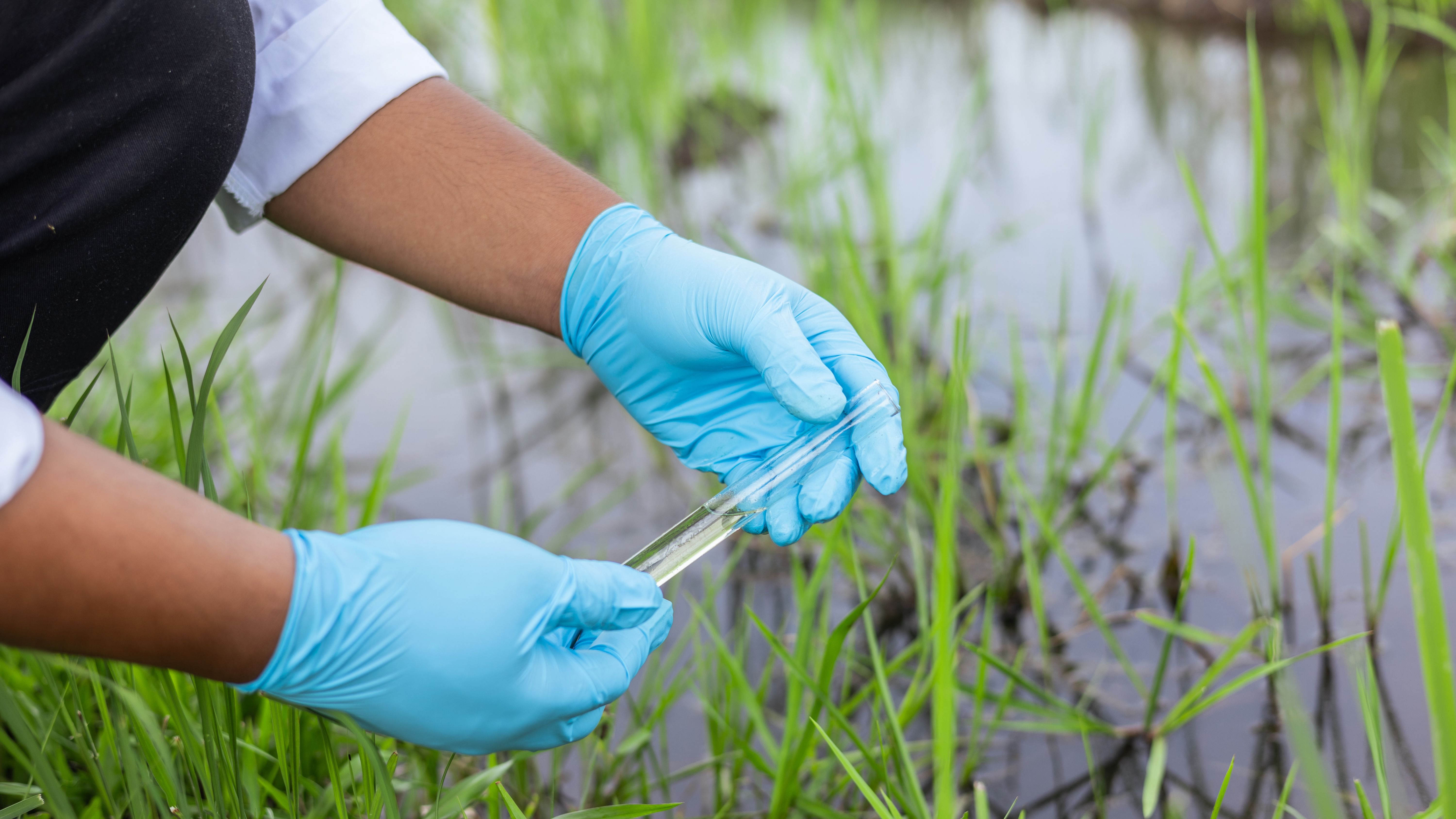
Some of this expertise is already being developed locally. The Institute of Applied Science and Technology (IAST), for example, provides laboratory testing for soil, drinking water, industrial wastewater and food safety, including analysis for heavy metals. Local laboratories across the country also offer specialised environmental and industrial testing services. The University of Guyana offers programmes in Environmental Science and Environmental Studies, alongside postgraduate studies in Environmental Management, Natural Resource Management and Geographic Information Systems and Remote Sensing. These programmes provide a foundation for young Guyanese interested in building careers in this field.
These services depend on trained technicians, laboratory scientists and environmental specialists who can collect samples, operate equipment and interpret results. And outside of the laboratory space, we need people skilled in field research, environmental inspections, mapping, biodiversity monitoring and natural resource management.
These skills are needed in the oil and gas industry, and in other sectors across our nation. They are needed in mining, agriculture, forestry, water management and conservation. As Guyana develops across multiple sectors, environmental expertise will become an increasingly valuable part of its workforce.
We need to remember the importance of having qualified people and capable institutions to support environmental oversight. Building that expertise locally creates career opportunities for young Guyanese while strengthening the country's ability to manage its natural resources responsibly.
Guyana's development requires investment in infrastructure, industry and people. Building a skilled environmental workforce is central to that investment.