

















Guyana's export earnings surged by more than 76% during the first six months of 2026.
An analysis of the government's 2026 Mid-Year Report shows that while Guyana is cementing its position as the Caribbean's leading merchandise exporter, its foreign exchange earnings from goods exports are becoming increasingly concentrated in two commodities.
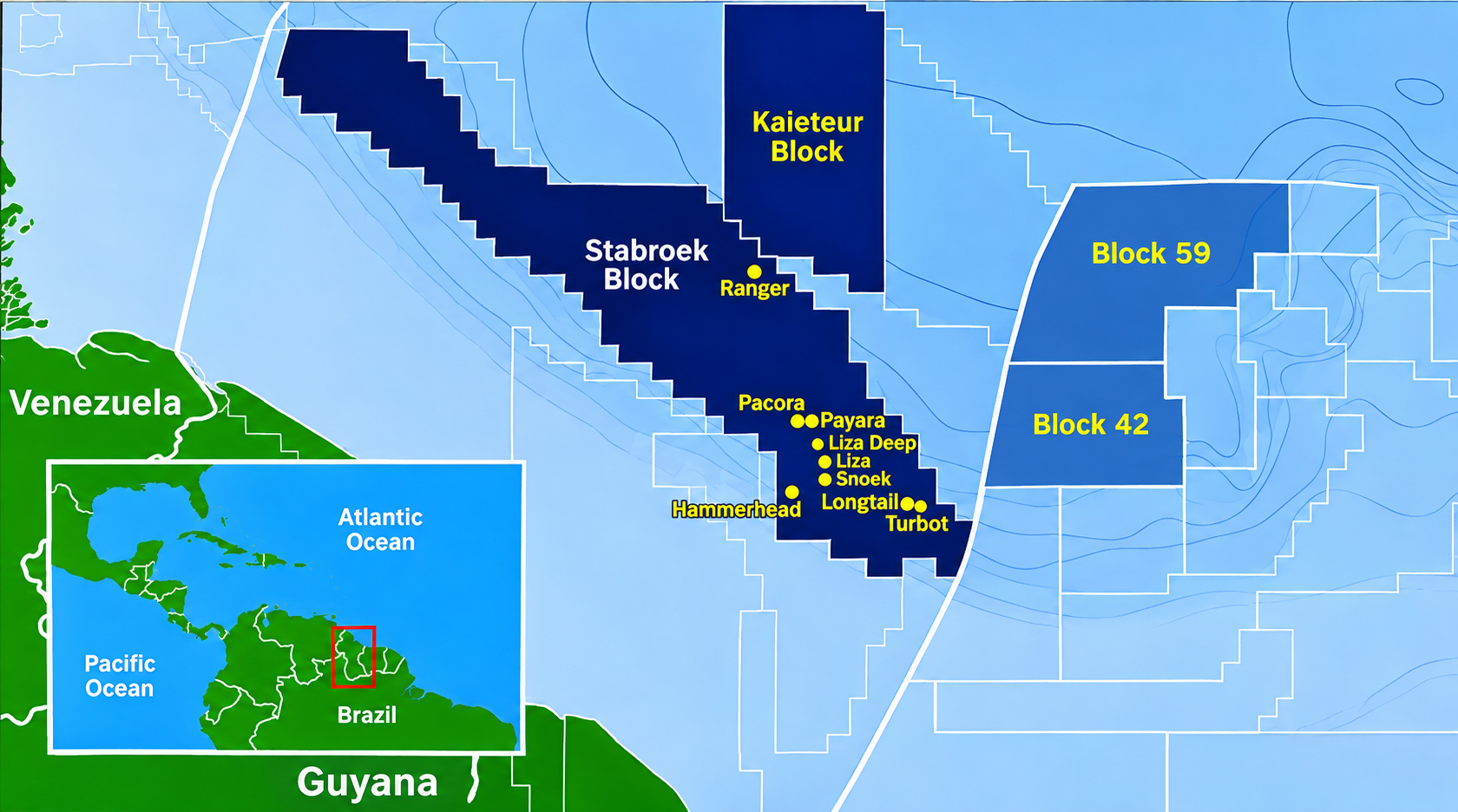
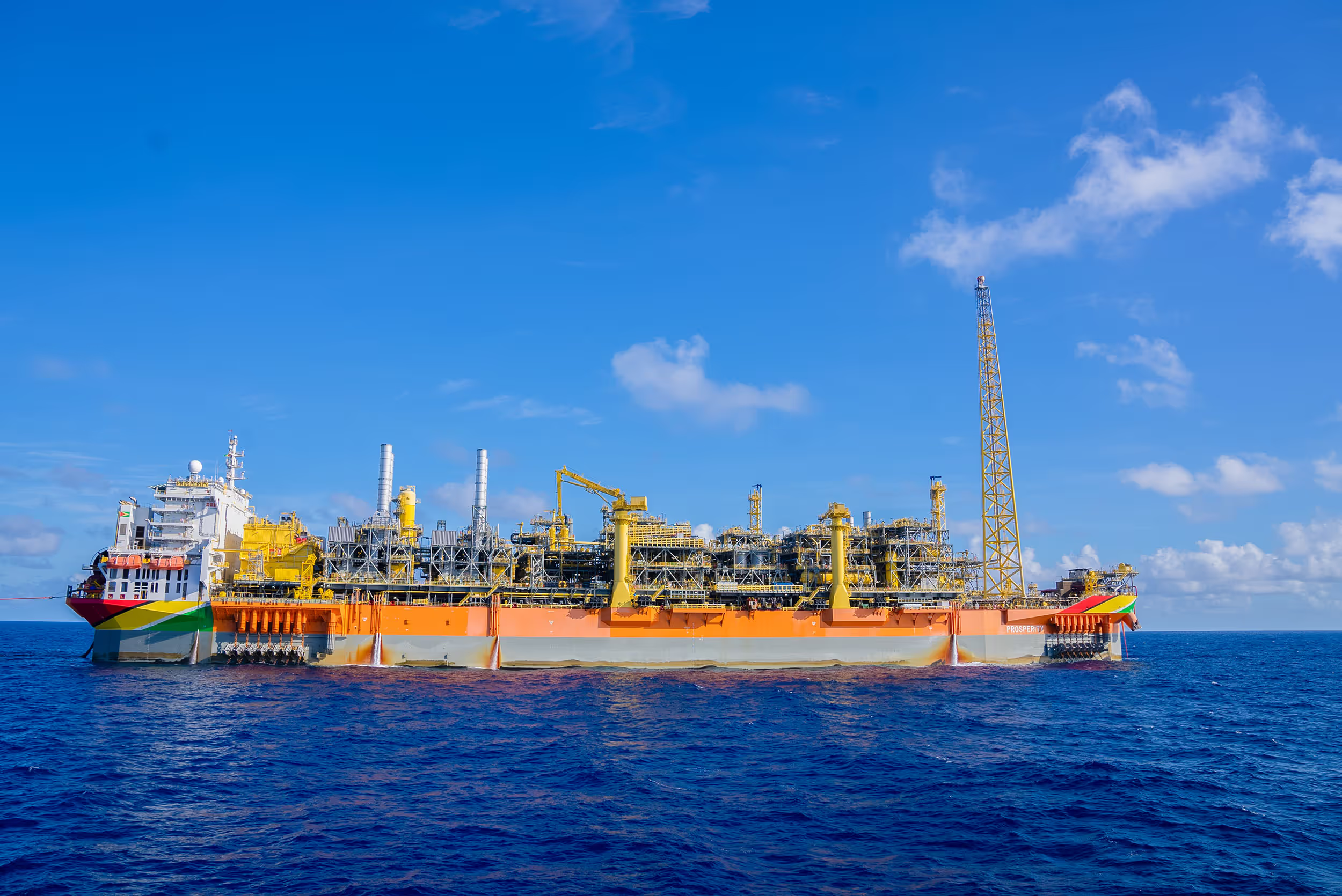
Of the US$16.2 billion Guyana earned from merchandise exports during the first half of 2026, approximately 98% came from crude oil and gold.
That leaves just 2% attributable to all other merchandise exports, including rice, sugar, bauxite, timber, seafood, manufactured goods and re-exports.
Although the Mid-Year Report recorded a 24.6% increase in non-oil export earnings, a closer examination shows that gold was overwhelmingly responsible for that improvement.
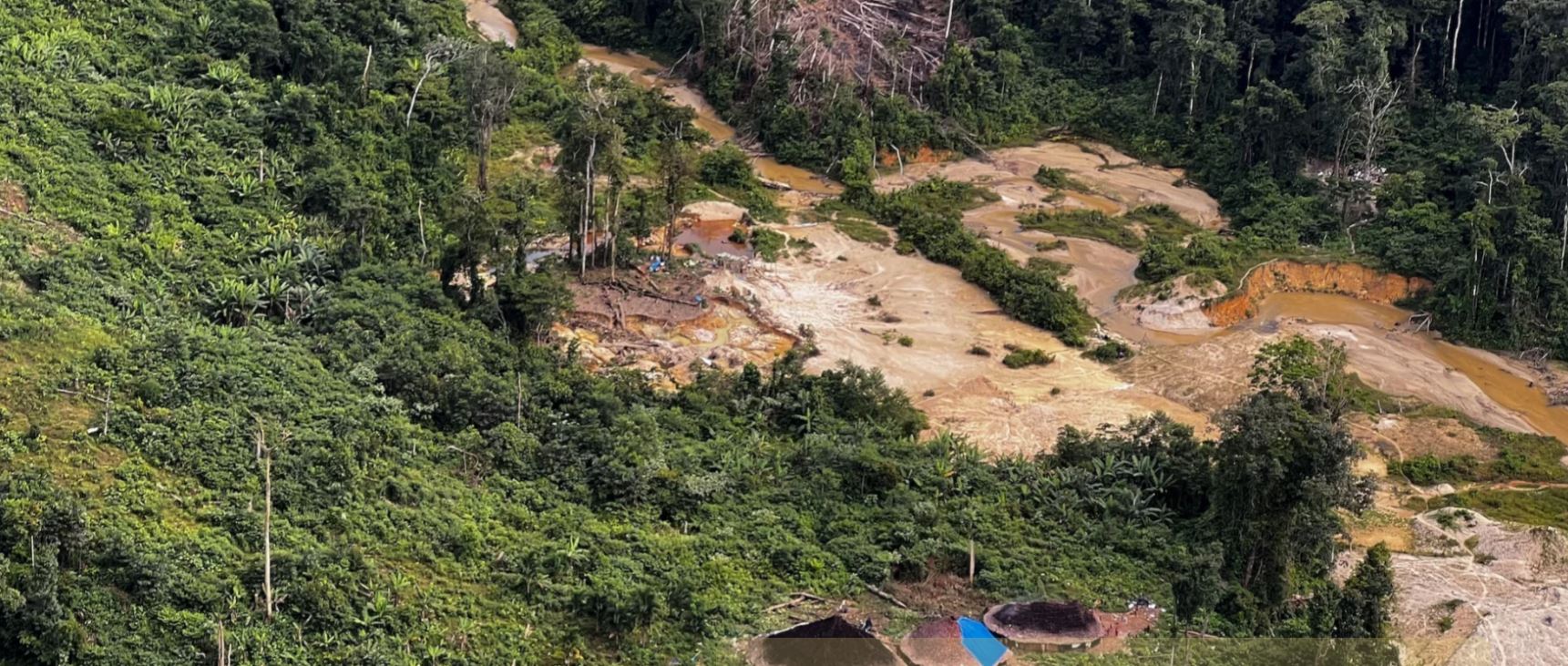
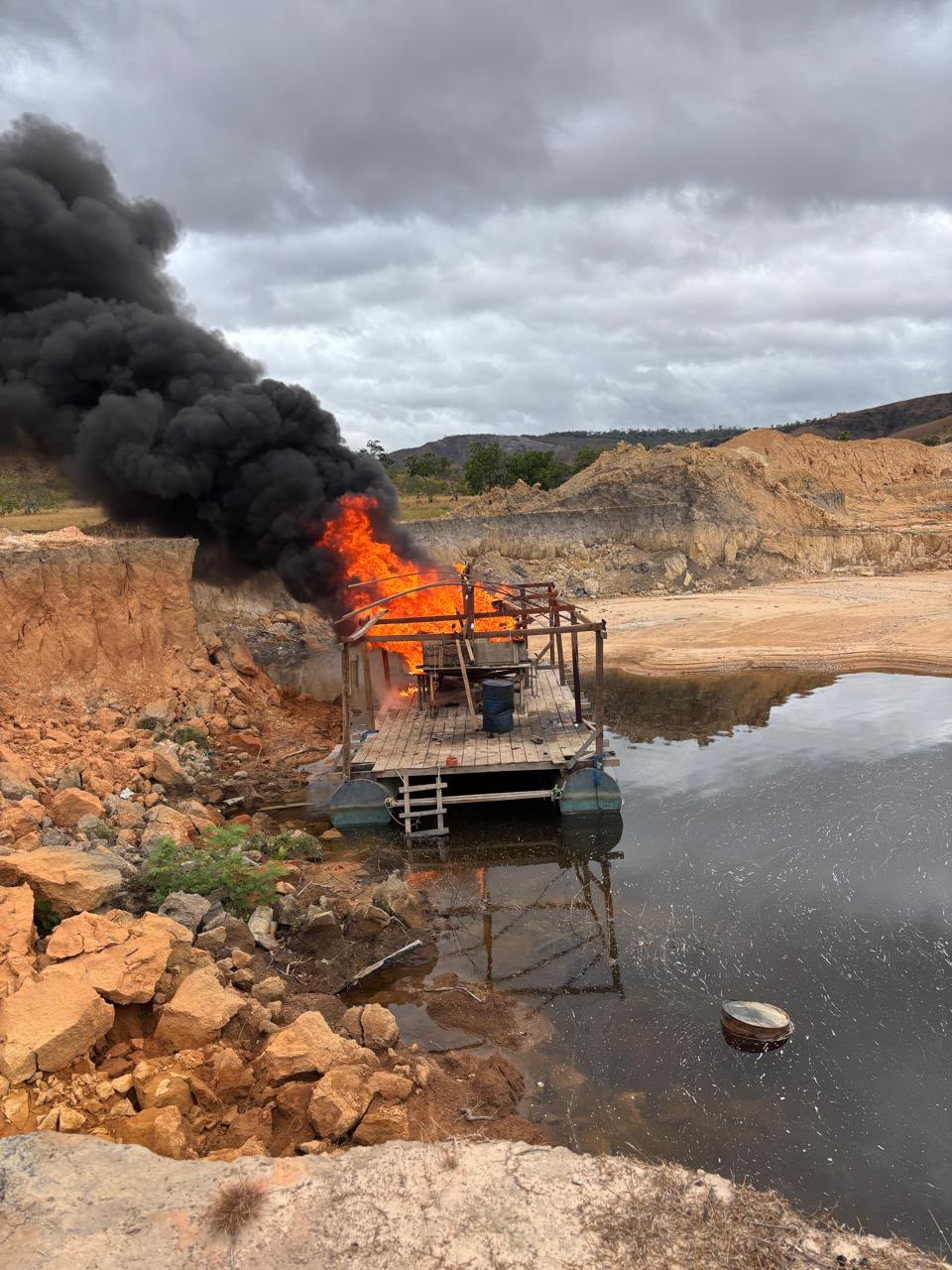
Gold exports generated US$826.2 million during the first six months of 2026, compared with US$556.4 million during the corresponding period last year.
Record international gold prices helped drive that performance, with average prices increasing by 52.5% during the review period.
Sugar and bauxite also recorded increases in export earnings, of US$6.6 million and US$900,000 respectively.
However, collectively, earnings from merchandise exports outside oil and gold fell from approximately US$363.3 million to US$319.8 million.
The concentration of Guyana's export earnings in oil and gold is not an isolated development.
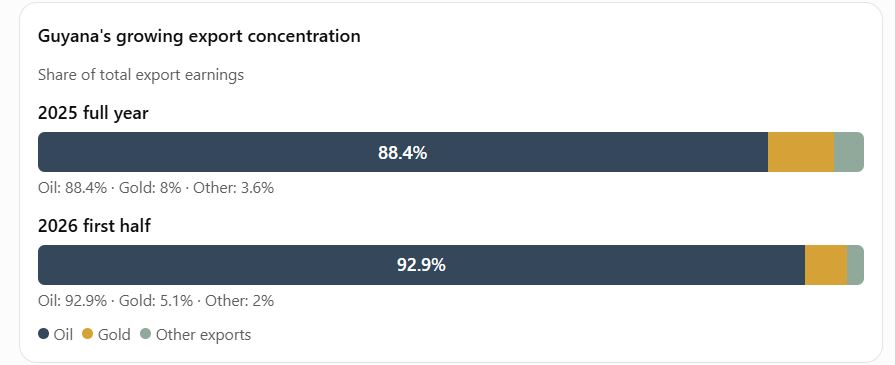
In 2025, the two commodities accounted for approximately 96.4% of total export earnings.
The country's rice industry, for example, exported more rice in 2025 but experienced a decline in earnings because of lower international prices.
Export earnings from sugar and timber also fell, while bauxite recorded an improvement.
The government's revised projections for 2026 put total export earnings at approximately US$30.42 billion, with oil and gold expected to generate US$29.66 billion of that amount.
The decline in export earnings outside oil and gold does not necessarily mean production in those industries is contracting.
According to the Mid-Year Report, several productive subsectors recorded growth during the first six months of 2026.
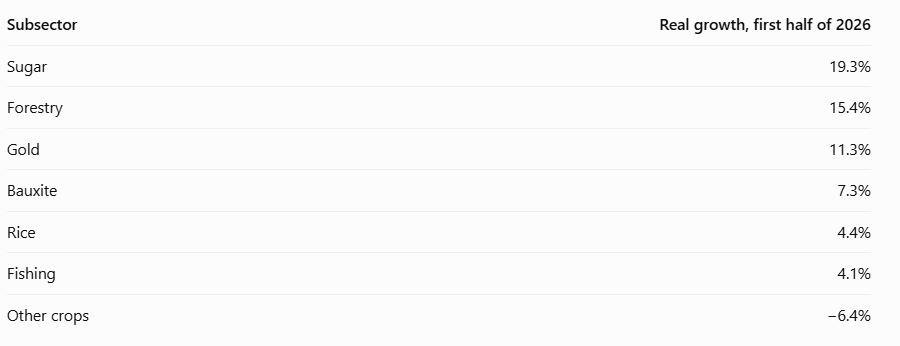
The distinction is important because higher production does not automatically translate into higher export earnings, particularly when international commodity prices decline or production is geared towards domestic consumption.
Guyana's non-oil economy expanded by an estimated 10.1% during the first half of 2026, reflecting growth across several industries, including construction and services.
For farmers, manufacturers, agro-processors and other Guyanese businesses, the challenge remains improving their ability to compete internationally.
Government investments in cheaper electricity, transportation infrastructure, agricultural development and manufacturing could help address some of the longstanding barriers facing these businesses.
The Gas-to-Energy project, for example, could help lower production costs, potentially allowing local manufacturers to compete more effectively with imported products and expand into overseas markets.
Greater investment in processing could also allow Guyana to retain more value from the agricultural and natural resources it currently exports.