


















Natural Resources Minister Vickram Bharrat believes Guyana has successfully managed one of the world's fastest-growing petroleum industries.
The greater challenge, he says, is managing the expectations that come with unprecedented economic transformation.
His remarks underscore what many resource-rich nations have struggled with for decades, while oil production can be planned, public expectations often grow even faster than government can deliver.
Guyana's petroleum industry has expanded at apace unmatched globally.
Commercial oil was discovered in the Stabroek Block in 2015.
By December 2019, first oil had been achieved.
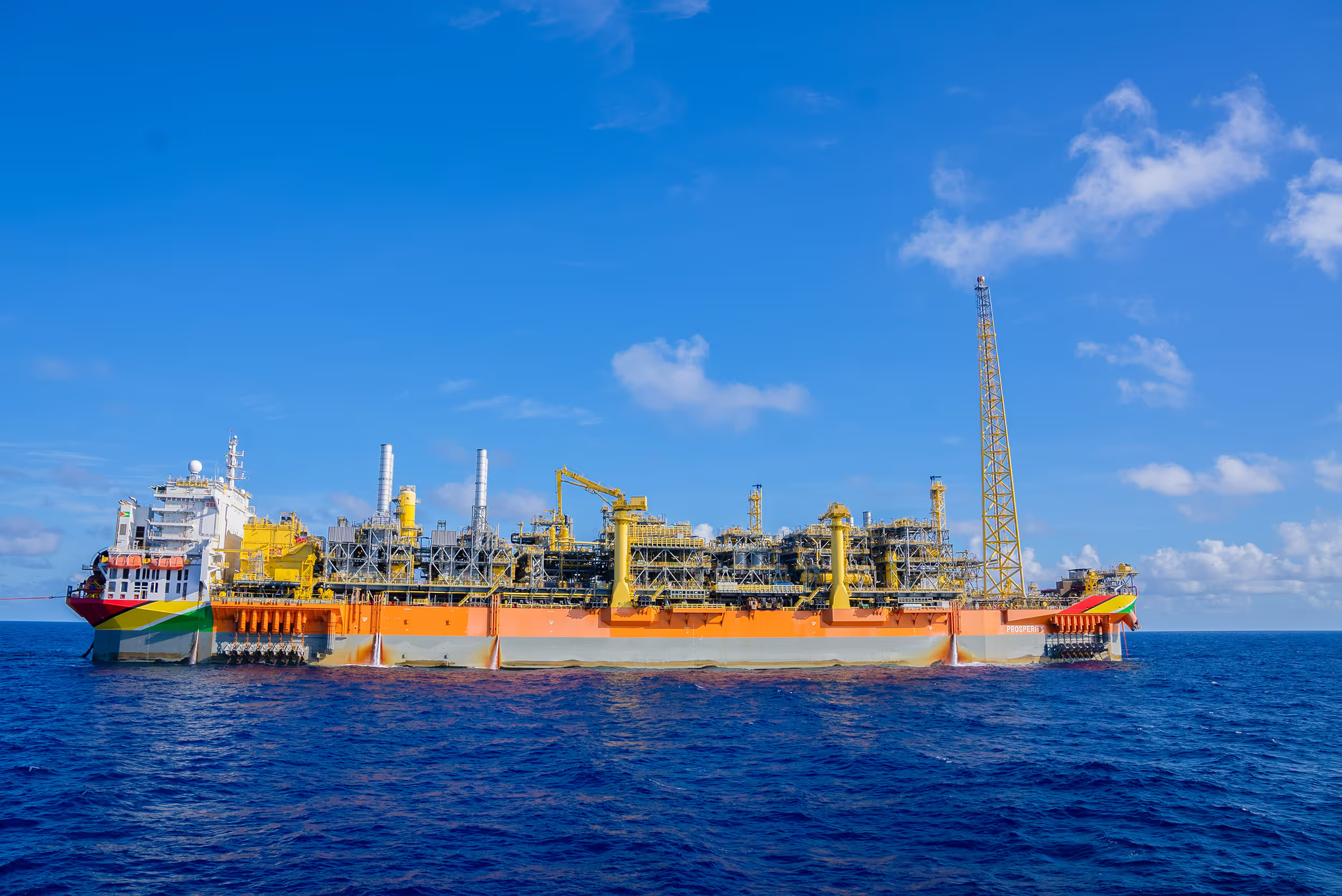
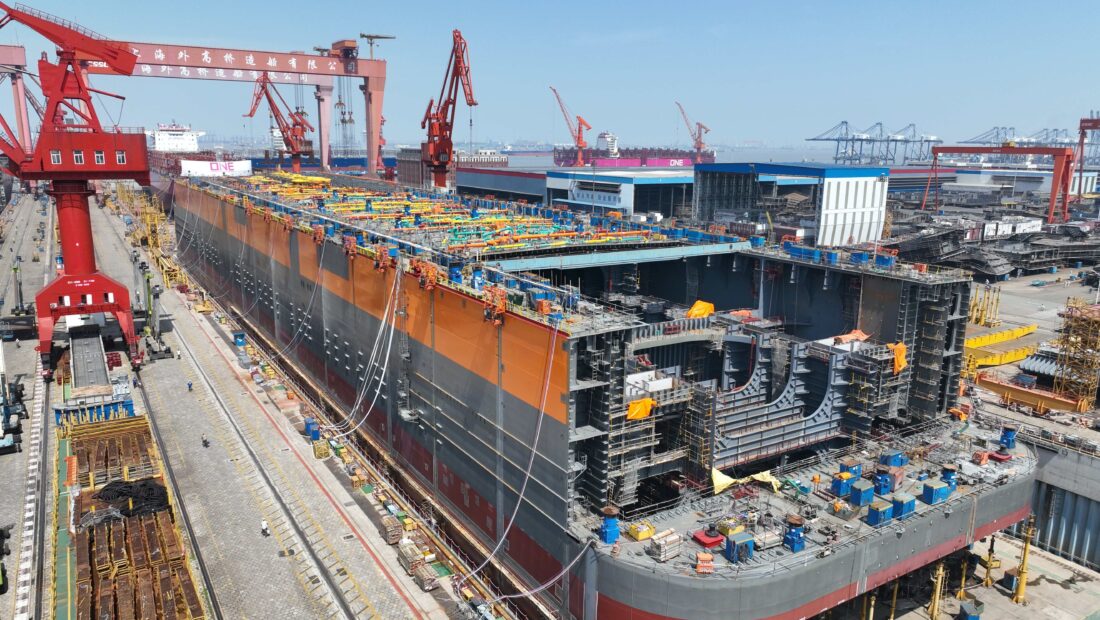
Production has since grown from approximately 80,000 barrels per day in 2020 to more than 900,000 barrels daily today, supported by four floating production vessels, with a fifth expected to begin operations shortly and two more currently under construction.
Once the Uaru development comes online, national production is expected to exceed one million barrels per day, making Guyana the world's highest oil producer per capita.
Bharrat argues that government has managed this rapid expansion through transparency, strong regulation and continuous policy reform.
He noted that production licences, environmental permits, revenue inflows and quarterly Natural Resource Fund transfers are publicly available—an approach that international observers frequently cite as a strength compared with several emerging petroleum producers.
Transparency, however, has also fuelled rising expectations.
Because citizens closely follow production levels, government revenues and major petroleum announcements, many naturally expect visible improvements in their own lives at an equally rapid pace.
Bharrat acknowledged that balancing those expectations remains one of government's most difficult responsibilities.
He said the administration continues to focus on fulfilling commitments outlined in its election manifesto, pointing to achievements including expanded housing programmes, free university education, job creation and increased support for entrepreneurship.
The minister also defended Guyana's international reputation, stating that the country's oil sector is now regarded as one of the best-managed among emerging petroleum producers.
Independent international assessments have generally praised Guyana for maintaining macroeconomic stability, strengthening petroleum legislation, enhancing local content policies and improving fiscal management through the Natural Resource Fund. At the same time, institutions including the International Monetary Fund and the World Bank have consistently cautioned that sustaining inclusive growth, preventing overheating and ensuring that oil wealth benefits all citizens remain long-term governance challenges.
For Guyana, the question may no longer be whether the oil industry can continue growing.
Increasingly, the country's success may be judged by whether economic gains continue translating into tangible improvements in living standards while maintaining public confidence that the benefits are being shared broadly.



.png)



.png)