














ExxonMobil expects Guyana to remain an important contributor to its business growth beyond 2030, with the company continuing to assess opportunities in the country's offshore oil and gas sector.
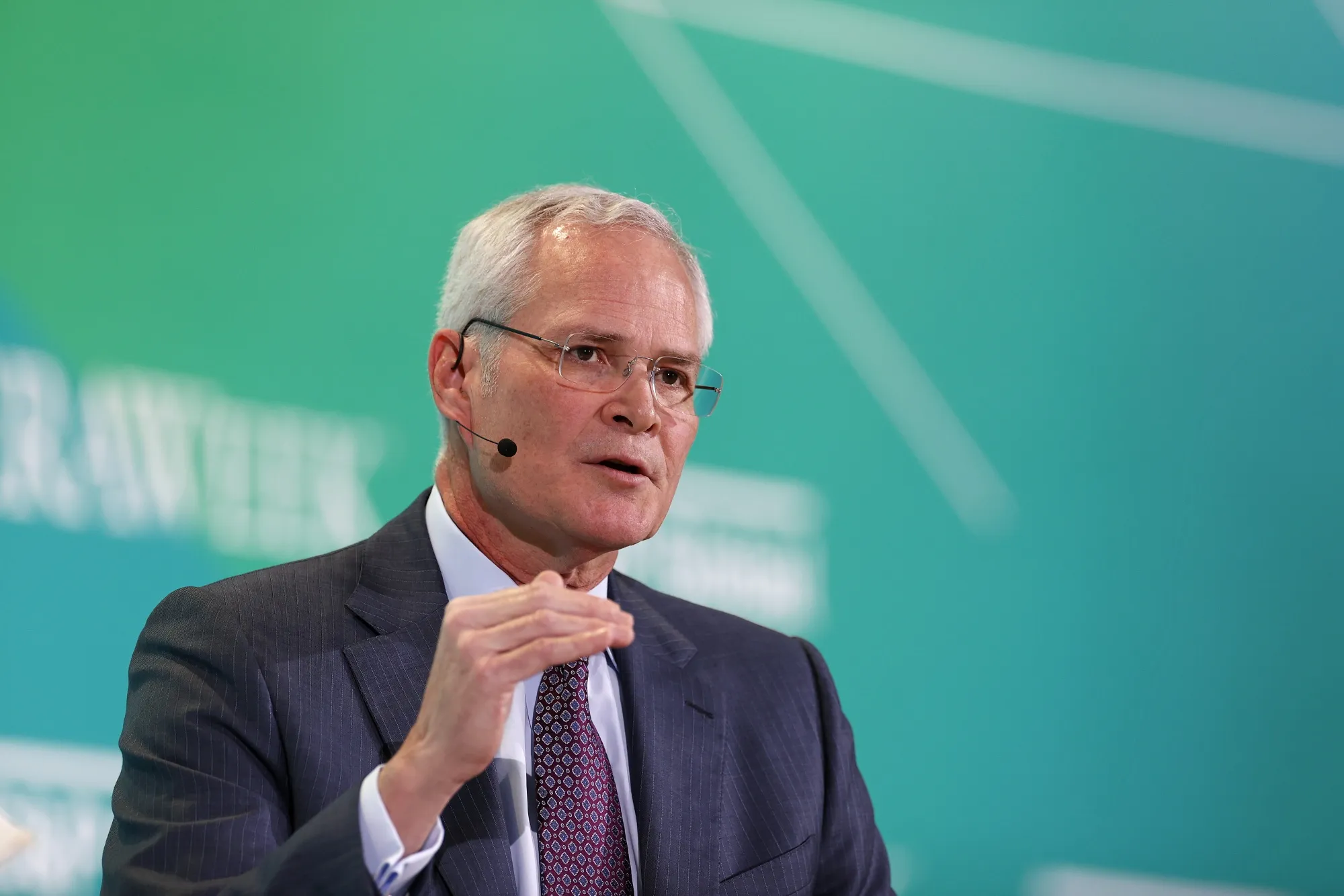
The company's Chairman and Chief Executive Officer, Darren Woods, made the remarks on Friday, October 30, during Exxon's third-quarter 2026 earnings call, when he was questioned about the company's longer-term investment plans and the possibility of further expansion in Guyana.
Wolfe Research analyst Doug Leggate asked Woods about Exxon's portfolio beyond 2030, specifically pointing to Guyana's additional discoveries and raising the possibility of the company lining up a ninth or tenth floating production, storage and offloading vessel (FPSO).
In response, Woods said Exxon was already working on plans beyond 2030 across its businesses and had a relatively clear view of the opportunities being considered.
He explained, however, that the company wanted to increase its confidence in the details of those opportunities before publicly disclosing specific plans or making commitments.
"We think there's still a lot of room to run," Woods said, referring specifically to Guyana.
He added that the company's team was focused on developing those opportunities and that Exxon expected to continue bringing them forward as its plans became clearer.
Woods did not confirm that a ninth or tenth FPSO was being developed or approved for Guyana, nor did he provide a production target or timeline for any additional offshore project.
Instead, his comments indicate that Exxon sees further growth potential in Guyana but is not yet ready to make specific commitments about the scale or timing of its post-2030 expansion.
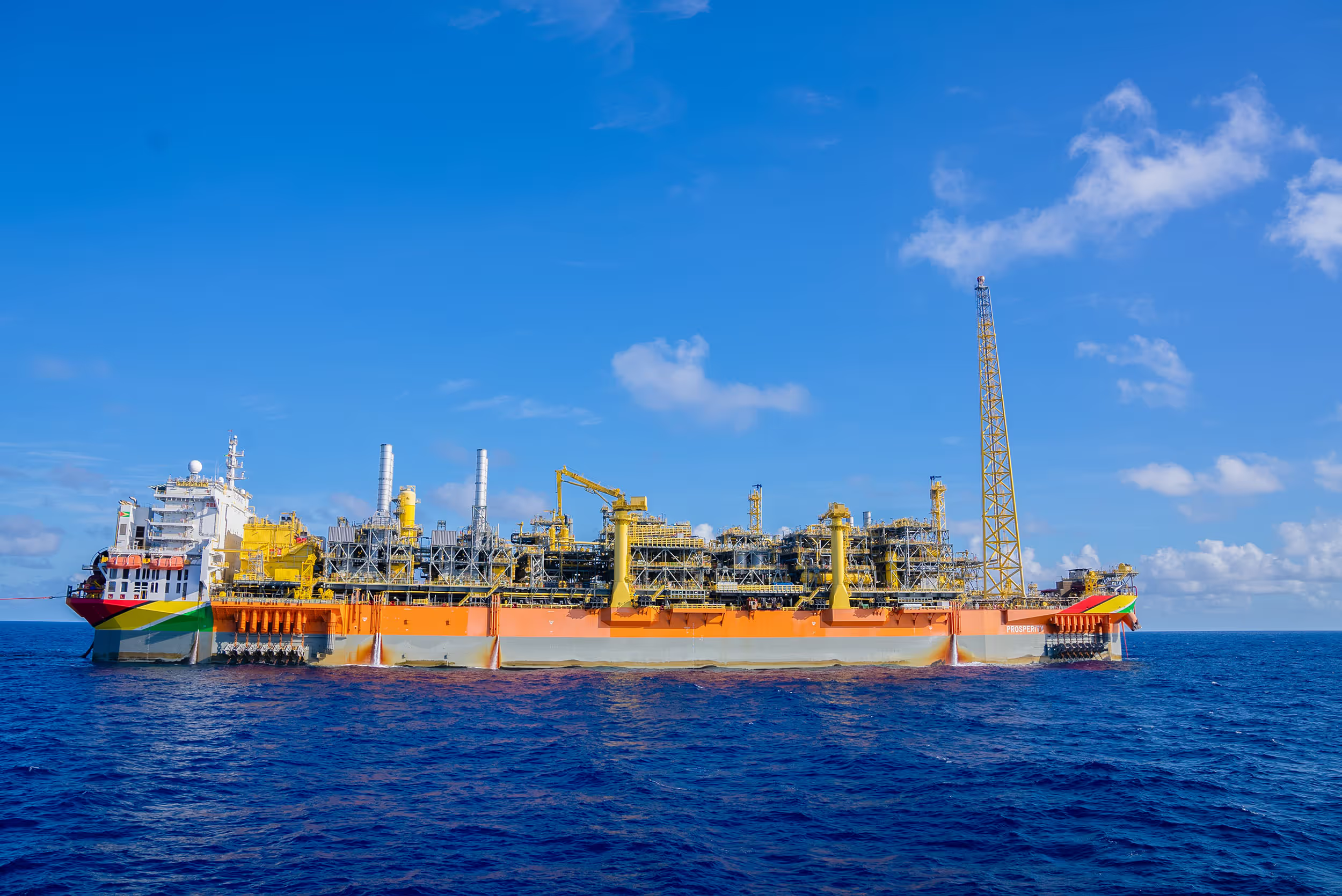
Guyana has rapidly become one of Exxon's most important growth areas, with four offshore developments currently producing in the Stabroek Block.
The company is also preparing to bring its fifth development, Uaru, online through the Errea Wittu FPSO, which is designed to produce approximately 250,000 barrels of oil per day.
The sixth development, Whiptail, is expected to follow in 2027, adding further production capacity to the country's expanding offshore sector.
Beyond those projects, Exxon has additional discoveries and development opportunities in the Stabroek Block, although not every discovery has been approved for commercial development.
The company's longer-term plans are significant for Guyana because further investment could mean additional production, petroleum revenues, employment and opportunities for local suppliers and contractors.
However, any future expansion would also require the necessary project approvals, investment decisions, regulatory processes and arrangements with the Government and the other Stabroek Block partners.
Exxon has not yet publicly detailed the specific projects it intends to advance beyond 2030.
Woods said the company would share more information when it had sufficient confidence in its plans, emphasising that commitments made publicly must be backed by the ability to deliver.