
















.jpg)
As global powers race to secure access to critical minerals and industrial resources, the United States is now signaling growing interest in Guyana’s vast untapped extractive potential beyond oil — including bauxite, mining infrastructure, and unexplored mineral reserves.
During Wednesday’s press roundtable at the U.S. Embassy in Georgetown, U.S. Under Secretary Jacob Helberg revealed that minerals and mining featured prominently in discussions with President Irfaan Ali, as Washington explores ways to deepen economic ties with Guyana.
While oil remains central to Guyana’s economic transformation, Helberg suggested the country’s broader resource base could become increasingly important to American strategic and commercial interests.
“We talked about opportunities around bauxite,” Helberg disclosed, while also referencing infrastructure upgrades, autonomous trucking technology, and expanded logistics systems designed to move Guyana’s resources more efficiently into international markets.
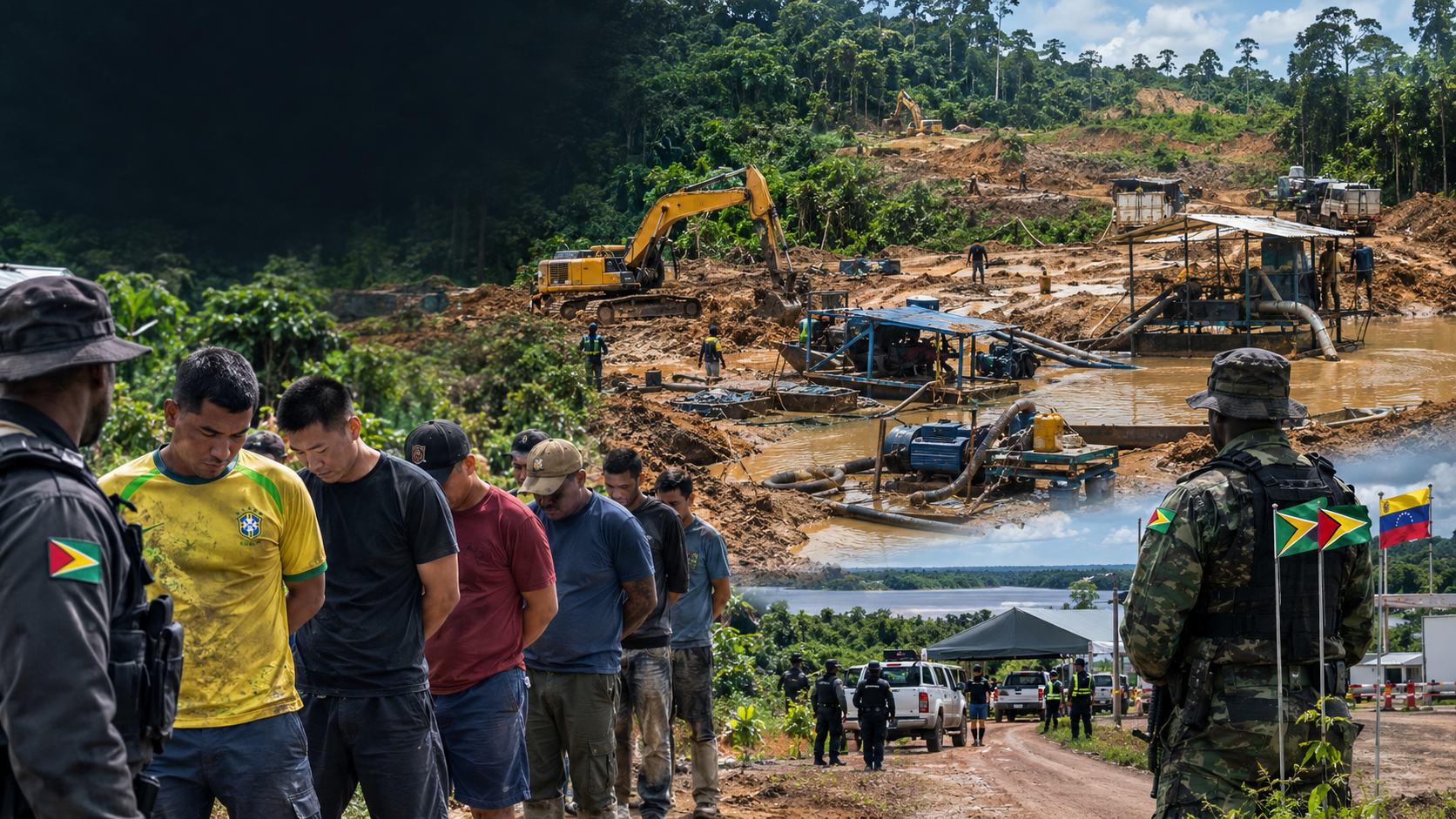
Guyana has long been known for its rich deposits of gold, bauxite, diamonds, manganese, and other minerals, though many areas remain under explored compared to neighboring South American states.
For decades, bauxite mining played a major role in Guyana’s economy, particularly in communities like Linden and Kwakwani, before the sector declined amid changing global markets and economic challenges.
Now, with rising global demand for industrial minerals driven by electric vehicles, AI infrastructure, renewable energy technologies, and defense manufacturing, Guyana’s mineral reserves are once again attracting international attention.
Helberg suggested Washington sees major opportunity in modernizing Guyana’s extractive logistics systems.
“Guyana can have a lot of natural reserves, but Guyana needs a way to get those reserves into offtake agreements and to market,” he said.
That discussion quickly expanded into larger conversations about roads, transport corridors, and Guyana’s geographic role linking Brazil to Atlantic shipping lanes.
The renewed American interest comes as countries worldwide aggressively compete for access to critical minerals needed for batteries, semiconductors, artificial intelligence systems, aerospace manufacturing, and clean energy infrastructure.
China has spent years expanding its influence in mining sectors across Latin America, Africa, and the Caribbean, while the United States has increasingly sought to diversify supply chains and strengthen ties with resource-rich democratic partners.
Helberg openly acknowledged that Washington is strategically choosing long-term economic allies.
“We are making very deliberate decisions on who our most trusted partners are going to be,” he stated.
The comments are likely to intensify geopolitical attention on Guyana, whose offshore oil discoveries have already transformed it into one of the most strategically watched economies in the hemisphere.
Perhaps most significantly, Helberg suggested the U.S. believes Guyana may possess even larger mineral reserves than are currently documented.
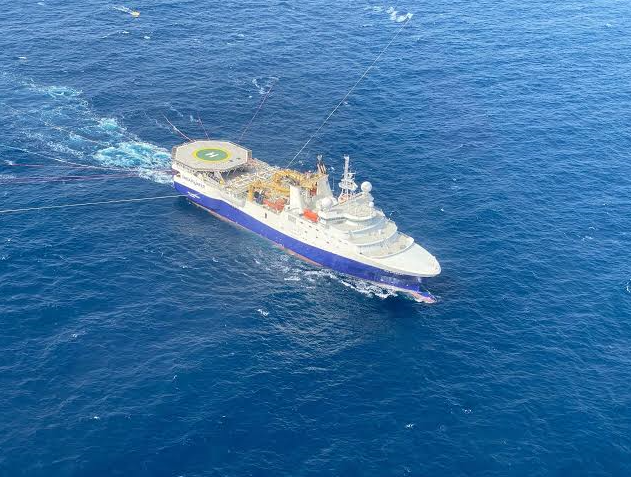
He said discussions included surveying technologies and improving the country’s capacity to identify additional deposits.
“It’s not a leap to consider that there are probably many more types of minerals that could be available if proper surveying is done,” he said.
That could have major implications for Guyana’s hinterland development strategy and future foreign investment.
The Ali administration has repeatedly emphasized diversification beyond oil, with mining, agriculture, manufacturing, and infrastructure development all identified as major pillars of long-term economic growth.



.png)