















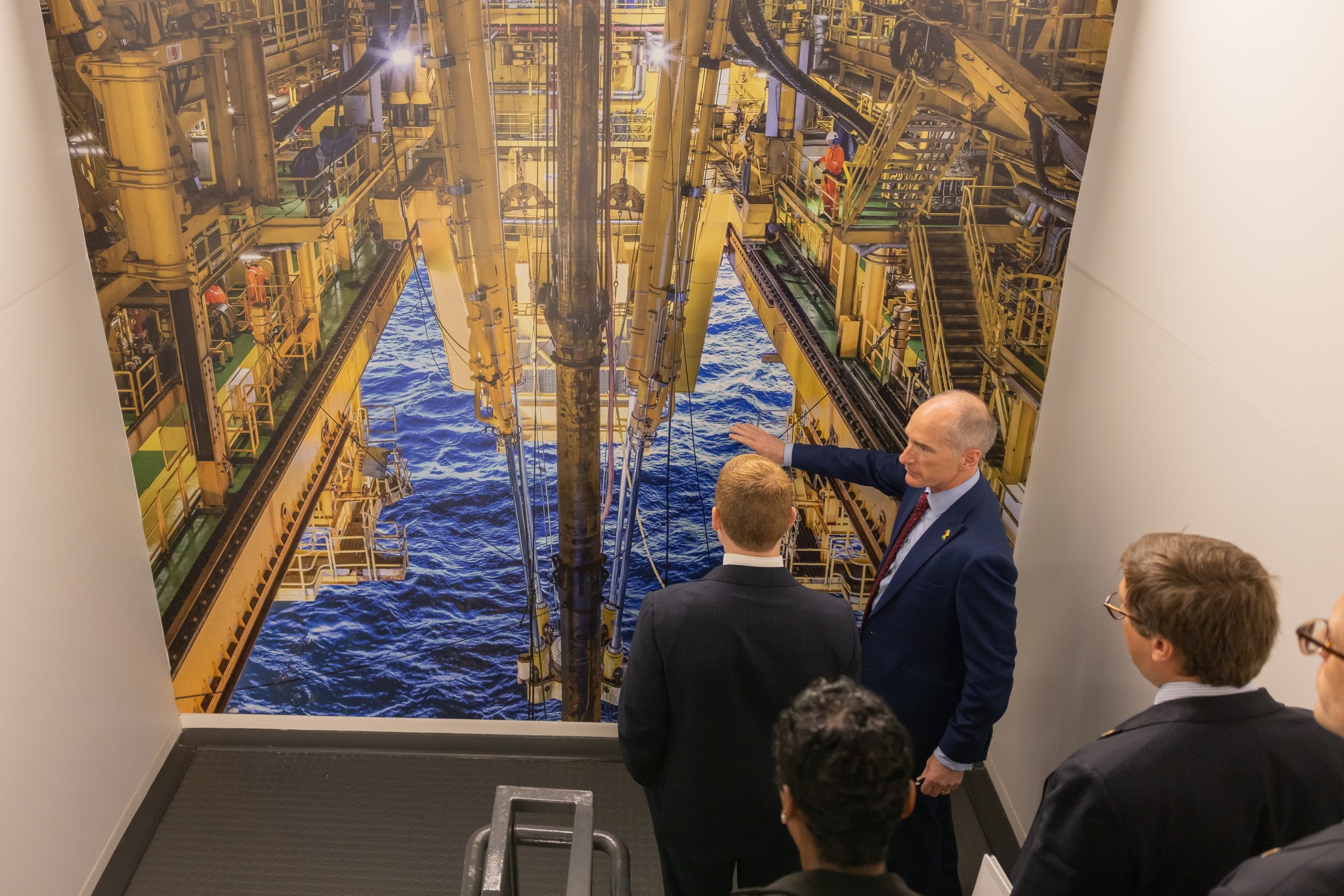
The United States has thrown its full support behind Guyana’s expanding oil ambitions, with a senior American official saying the vision of President Irfaan Ali and oil giant ExxonMobil appear to be working in near-total synergy as Guyana accelerates its rise as a global energy producer.
Speaking during a press roundtable at the U.S. Embassy in Georgetown on Wednesday, U.S. Under Secretary Jacob Helberg said conversations with both President Ali and Exxon executives revealed what he described as a strikingly unified approach to Guyana’s energy future.
“I didn’t see any daylight between President Ali’s vision and the vision that was presented to me by the country president of Exxon,” Helberg said.
“It seemed like their visions are completely synergistic.”
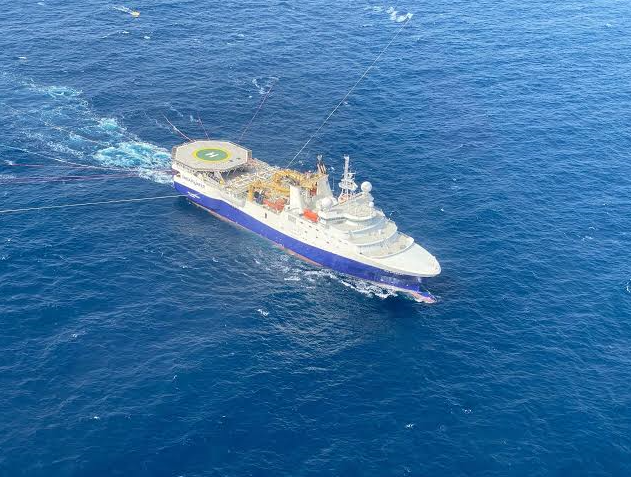
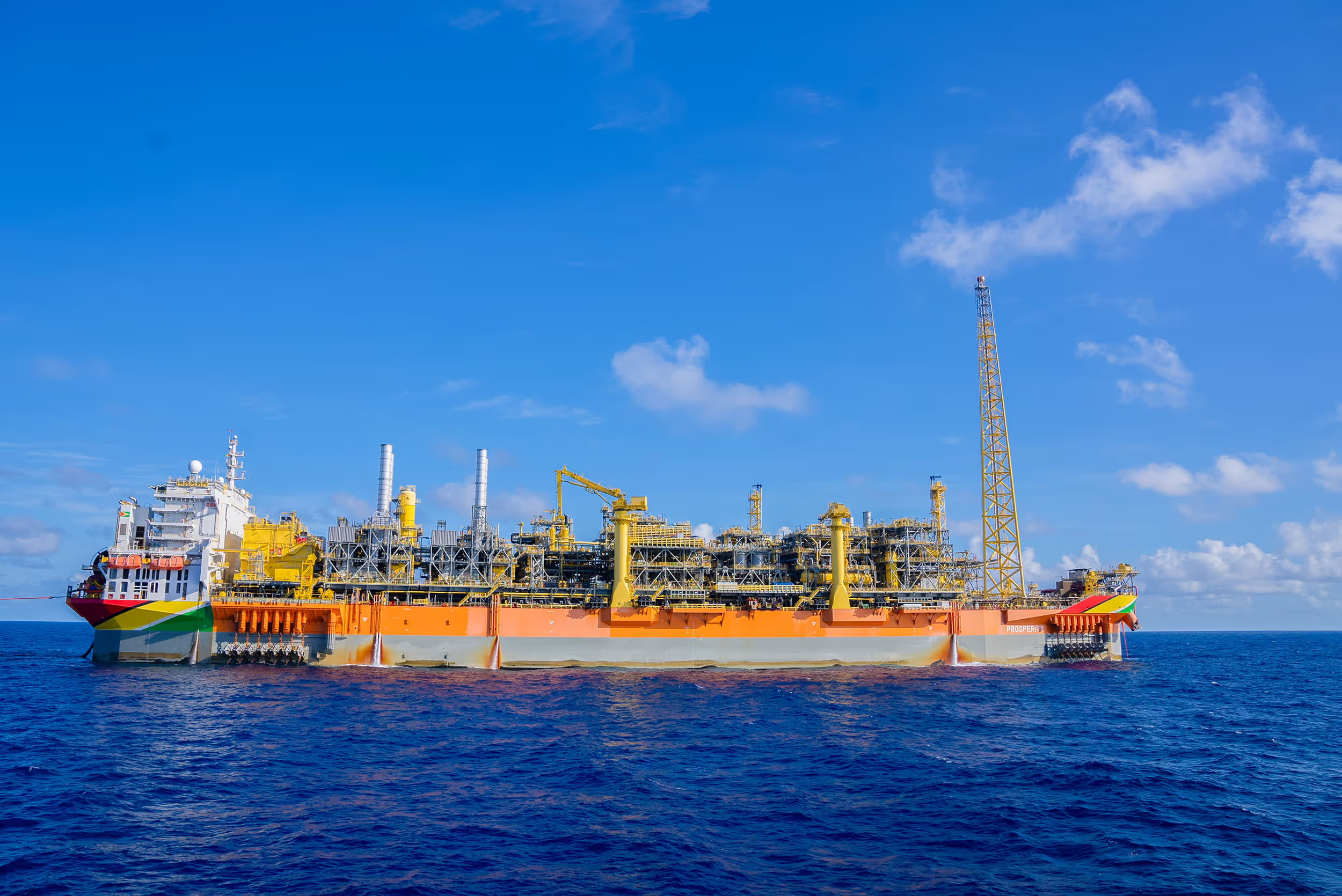
The remarks come as Guyana’s oil sector continues to expand at one of the fastest rates in the world through offshore developments led by ExxonMobil and partners Chevron and CNOOC.
Since the landmark Stabroek Block discovery in 2015, Guyana has rapidly transformed from a frontier economy into a major emerging oil producer.
Production has surged through multiple offshore floating production vessels, with additional projects already approved or under development.
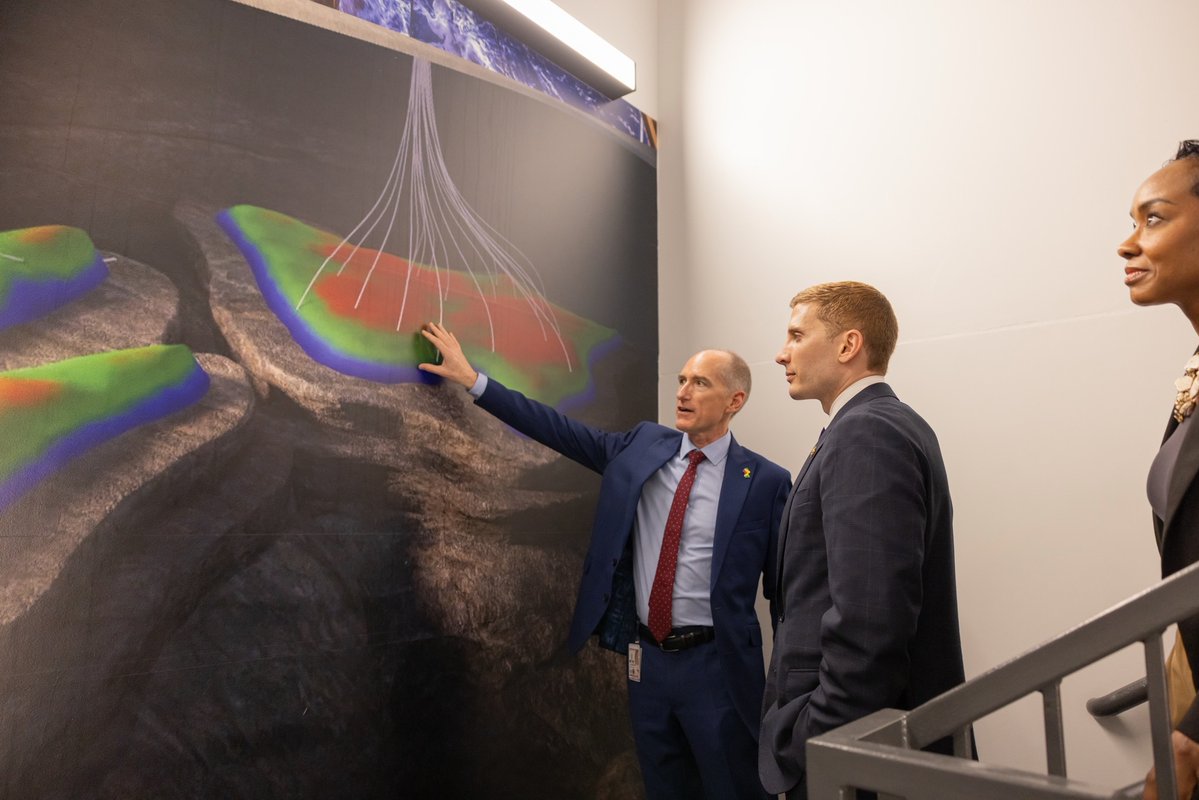
Helberg disclosed that Exxon’s investments are expected to deepen significantly over the coming years, adding that company officials indicated Guyana could eventually reach roughly 1.5 million barrels of oil per day within the next several years — a level that would place the country among the world’s major oil-producing states.
Even as much of the world pushes to reduce fossil fuel use under global climate agendas, Guyana is attempting to strike a delicate balance, using oil revenues to drive national development while maintaining one of the world’s highest levels of forest cover and positioning itself as a major carbon sink.
The endorsement from Washington comes even as debate continues locally over Guyana’s 2016 Production Sharing Agreement with ExxonMobil.
Opposition figures, civil society advocates and some economists have argued for years that the agreement disproportionately favors Exxon and should be renegotiated to secure larger returns for Guyanese citizens.
Helberg avoided directly addressing criticism of the contract, instead emphasizing future economic expansion.
“If you focus on the future, you are focusing on a state where the pie is growing,” he said. “That means more prosperity, more growth and more jobs for everyone.”
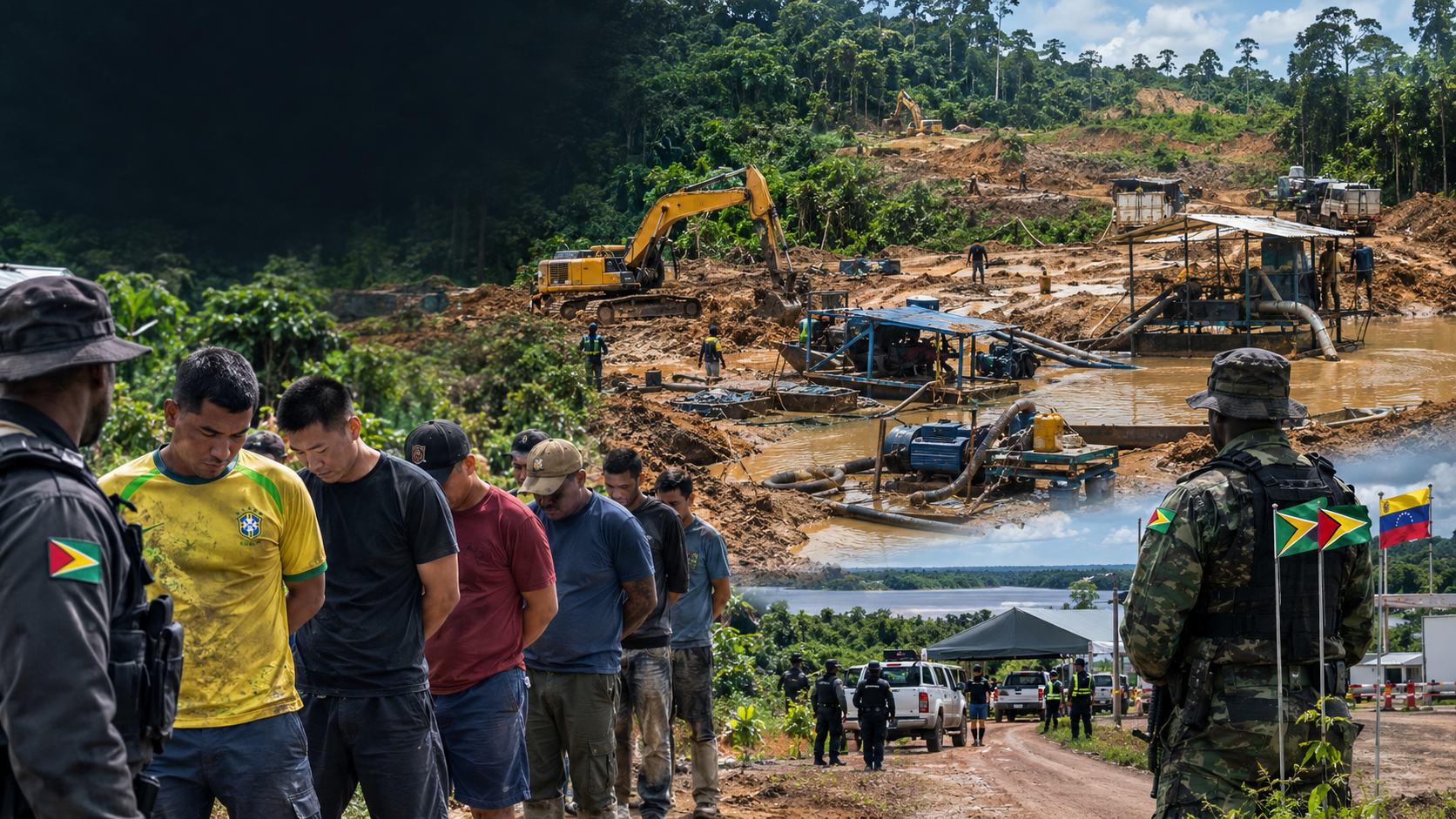
The discussions also unfolded against the backdrop of continuing tensions with Venezuela over Guyana’s Essequibo region and offshore resources.
Asked about the matter and the ongoing case before the International Court of Justice, Helberg stressed that national security remains essential to economic development.
“We understand and agree that security is a precondition for prosperity,” he stated.
Although energy dominated much of the discussion, Helberg said the broader U.S.-Guyana partnership is expanding into areas including infrastructure, technology, logistics, mining, tourism and agriculture.
Still, oil remains at the center of the relationship.



.png)