














Far below the Atlantic Ocean, off Guyana’s coast, a new kind of oil drilling operation is quietly reshaping the future of offshore energy production with fewer human hands on the controls.
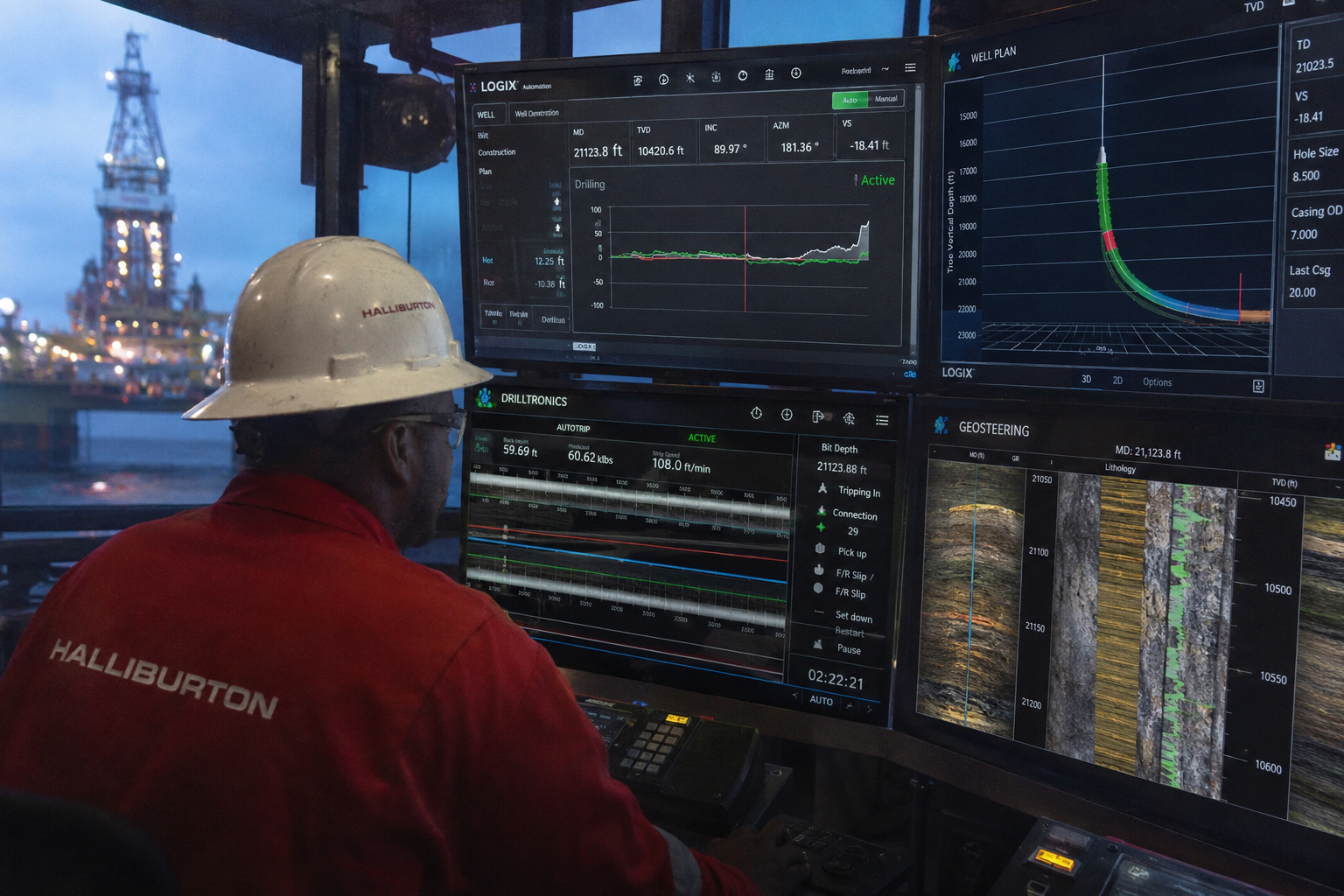
During its first-quarter 2026 earnings call, ExxonMobil confirmed that it had achieved the “first deepwater fully autonomous well section” in Guyana using rig automation and automated downhole steering tools, a breakthrough the company says improved both safety and efficiency.
For a country that only discovered oil in commercial quantities in 2015, Guyana is rapidly becoming one of the world’s most technologically advanced offshore oil provinces.
The achievement, first announced in March 2026, combines artificial intelligence-driven subsurface analysis, rig automation, autonomous steering systems, and real-time drilling optimisation into one integrated operation.
In practical terms, the drilling system was able to interpret underground geology, adjust the drilling path, and optimize operations with minimal human intervention.
But what exactly does “fully autonomous well section” mean? And why does it matter?
Traditional offshore drilling is a high-pressure operation involving crews making continuous adjustments as a drill bit cuts through layers of rock thousands of feet below the seabed.
Engineers constantly monitor pressure, direction, temperature, and geological conditions to avoid accidents or costly mistakes.
Using automated rig systems and intelligent downhole steering tools, parts of the drilling process can now effectively guide themselves in real time. The system continuously analyzes underground conditions and adjusts the drill path automatically, reducing the need for manual intervention from engineers on the rig.
Think of it as the difference between manually driving a car for hours and using an advanced autonomous driving system that constantly recalculates the safest and most efficient route.
In offshore drilling, that matters enormously.
A single deepwater well can cost tens of millions of US dollars. Even minor delays can cost operators hundreds of thousands per day. Automation helps reduce drilling time, improve precision, and lower operational risks.
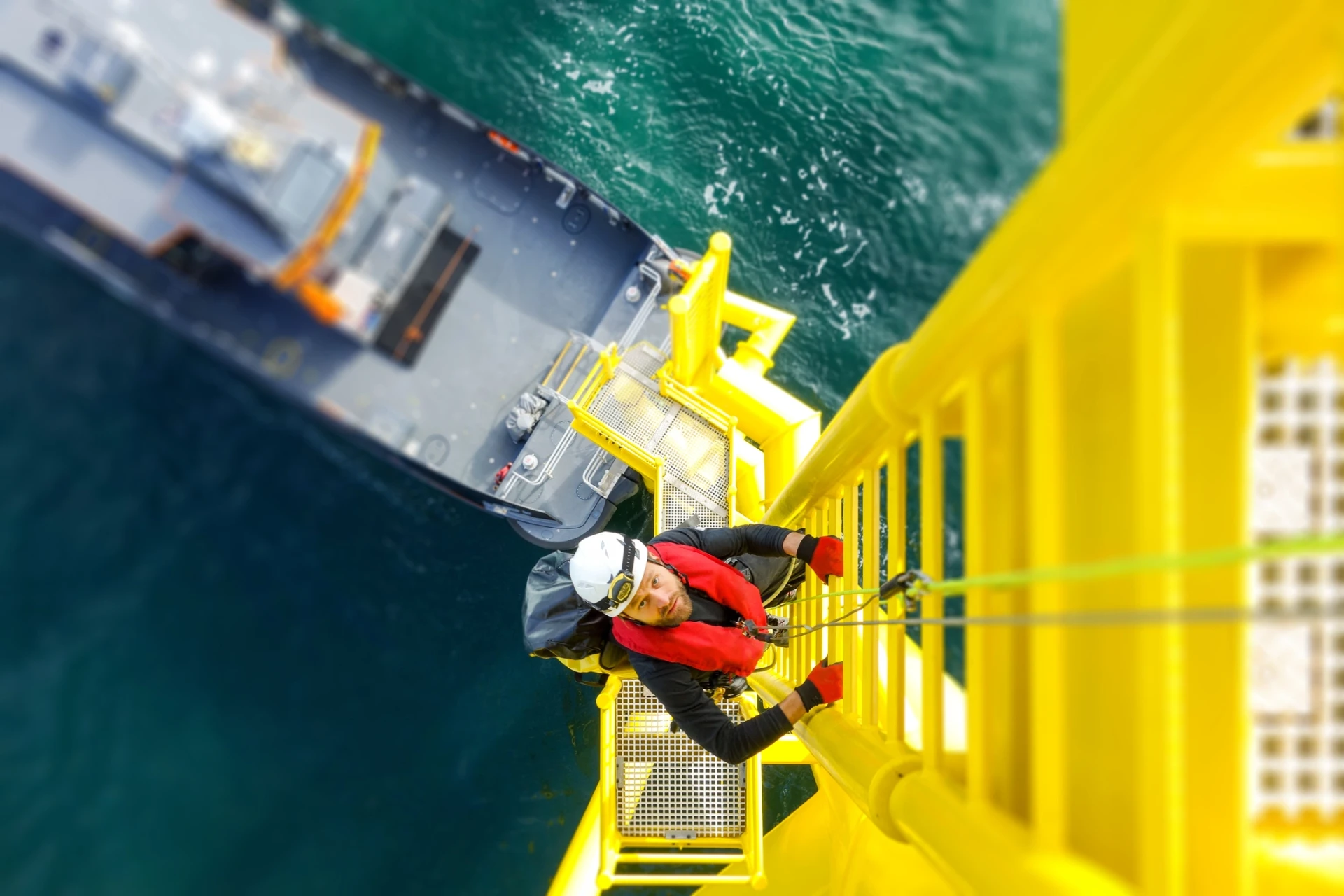
ExxonMobil said the technology also improves safety — a major concern in deepwater environments where workers operate alongside heavy machinery under extreme conditions.
Why Guyana?
Guyana’s offshore basin has become one of the most attractive oil frontiers globally because of its combination of massive reserves and unusually productive wells.
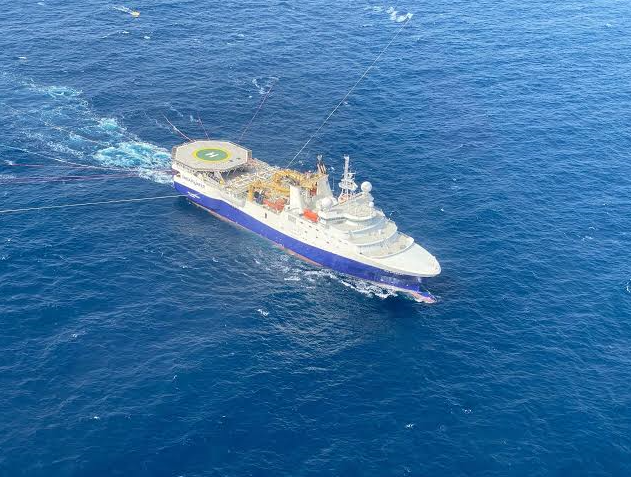
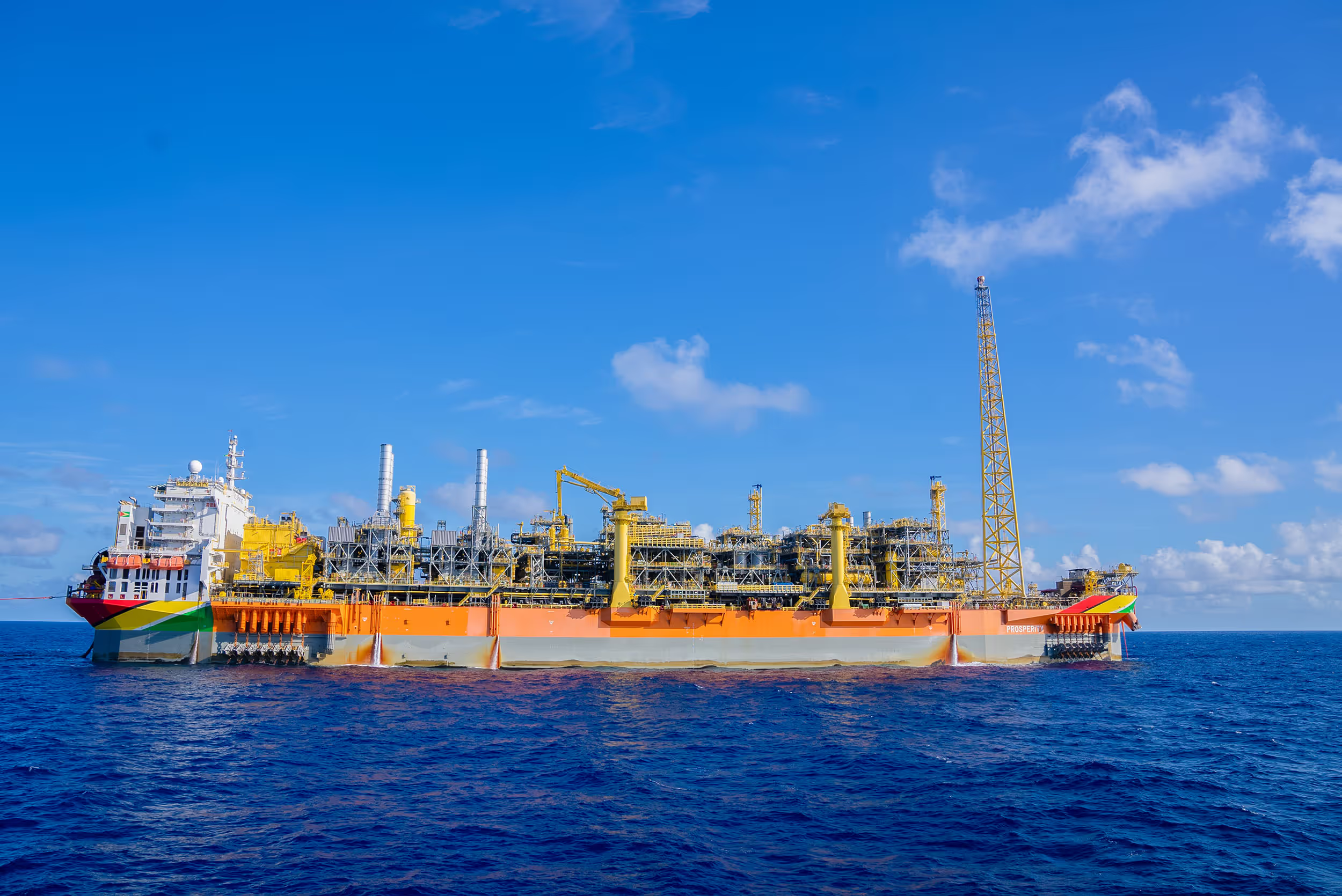
The Stabroek Block, operated by ExxonMobil alongside partners Hess and CNOOC, is already producing more than 600,000 barrels of oil per day and continues to expand aggressively with projects including Uaru, Whiptail, and Hammerhead.
ExxonMobil CEO Darren Woods described Guyana during the earnings call as a global benchmark for “execution, development pace, and value creation.”
That scale makes Guyana an ideal testing ground for advanced technologies.
With multiple floating production vessels, continuous drilling campaigns, and long-term development plans stretching decades into the future, ExxonMobil can deploy automation systems at a scale few regions can match.
Industry analysts increasingly see Guyana not just as an oil producer, but as a proving ground for next-generation offshore engineering.
ExxonMobil also highlighted another innovation tied to Guyana’s future developments: its proprietary Proxxima™ technology.
The company said it plans to use Proxxima in subsea applications for the upcoming Hammerhead project and future FPSOs — floating production, storage and offloading vessels used in offshore oil production.
So what is Proxxima?
In simple terms, it is an advanced composite material system designed to replace or improve traditional steel infrastructure used in offshore energy projects.
Offshore facilities operate in some of the harshest industrial environments on Earth. Saltwater corrosion, intense pressure, high temperatures, and constant mechanical stress wear down conventional materials over time.
Proxxima-based materials are designed to be lighter, more corrosion-resistant, and easier to install than traditional steel components.
That could significantly reduce maintenance costs and improve operational reliability for offshore projects.
For Guyana, where offshore developments are multiplying rapidly, those efficiencies matter.
FPSOs are essentially floating industrial cities. Every reduction in weight, maintenance complexity, or installation time can save millions of dollars over the lifespan of a project.
ExxonMobil says deploying Proxxima in subsea systems will further demonstrate the material’s ability to perform in “demanding offshore environments.”
The significance of ExxonMobil’s announcement goes beyond engineering jargon.
What is emerging offshore Guyana is not simply a traditional oil boom driven by drilling rigs and crude exports. Increasingly, the country is becoming part of a global race to modernize energy production through automation, advanced materials, artificial intelligence, and digital infrastructure.
That shift could reshape the types of jobs, training, and expertise needed in Guyana’s energy sector over the next decade.
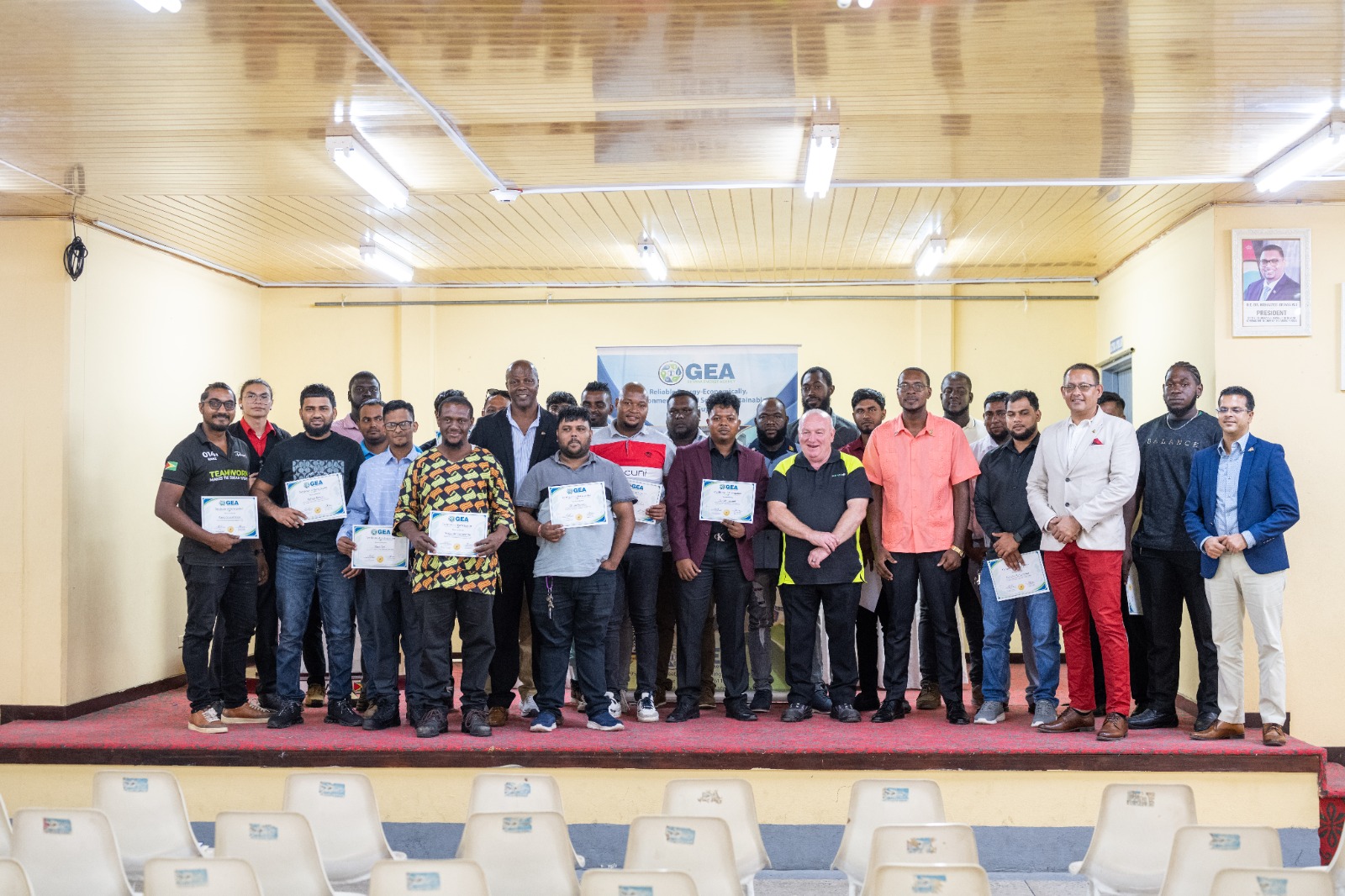
ExxonMobil has already committed US$100 million toward STEM education initiatives in Guyana over ten years, according to the earnings call, signaling that the company sees a long-term need for highly skilled technical workers as operations grow more sophisticated.



.png)