













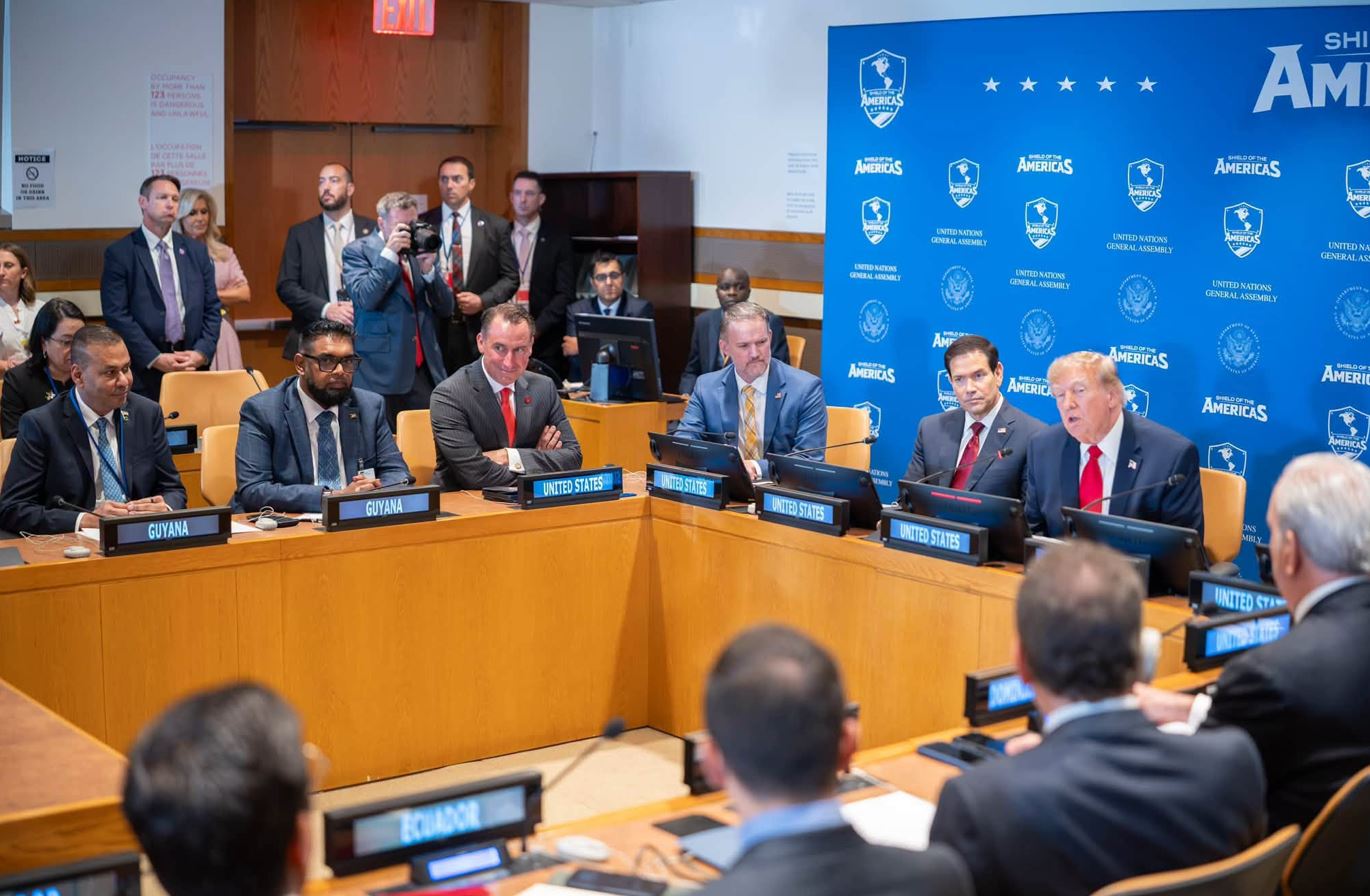
President Irfaan Ali has rejected the suggestion that the United States is seeking to control Guyana, insisting that Washington is not trying to exert force or dominance over the country.
“I don’t see the US as trying to force us or trying to be a dominant force with Guyana,” Ali told CNN anchor and chief national security analyst Jim Sciutto during an interview covering energy, regional security and Guyana’s sovereignty.
Sciutto raised concerns about US President Donald Trump’s approach to the Western Hemisphere, pointing to his remarks about acquiring Greenland, making Canada the 51st state and American involvement in Venezuela. He asked whether Guyana risked being treated as a country to be controlled rather than an independent state.
Ali said Guyana was pursuing closer ties with Washington based on shared interests, particularly in development and security.
“We are a sovereign state, and we are working with the US as a partner,” he said.
But when Sciutto turned to the oil sector and asked whether the United States was a fair partner in helping to negotiate oil deals, Ali stopped short of giving a direct yes-or-no assessment.
“We have had excellent relationship with the US,” Ali said, describing the relationship as one based on “shared values and shared priorities”.
He added that Guyana’s oil investment base was diversified across international companies.
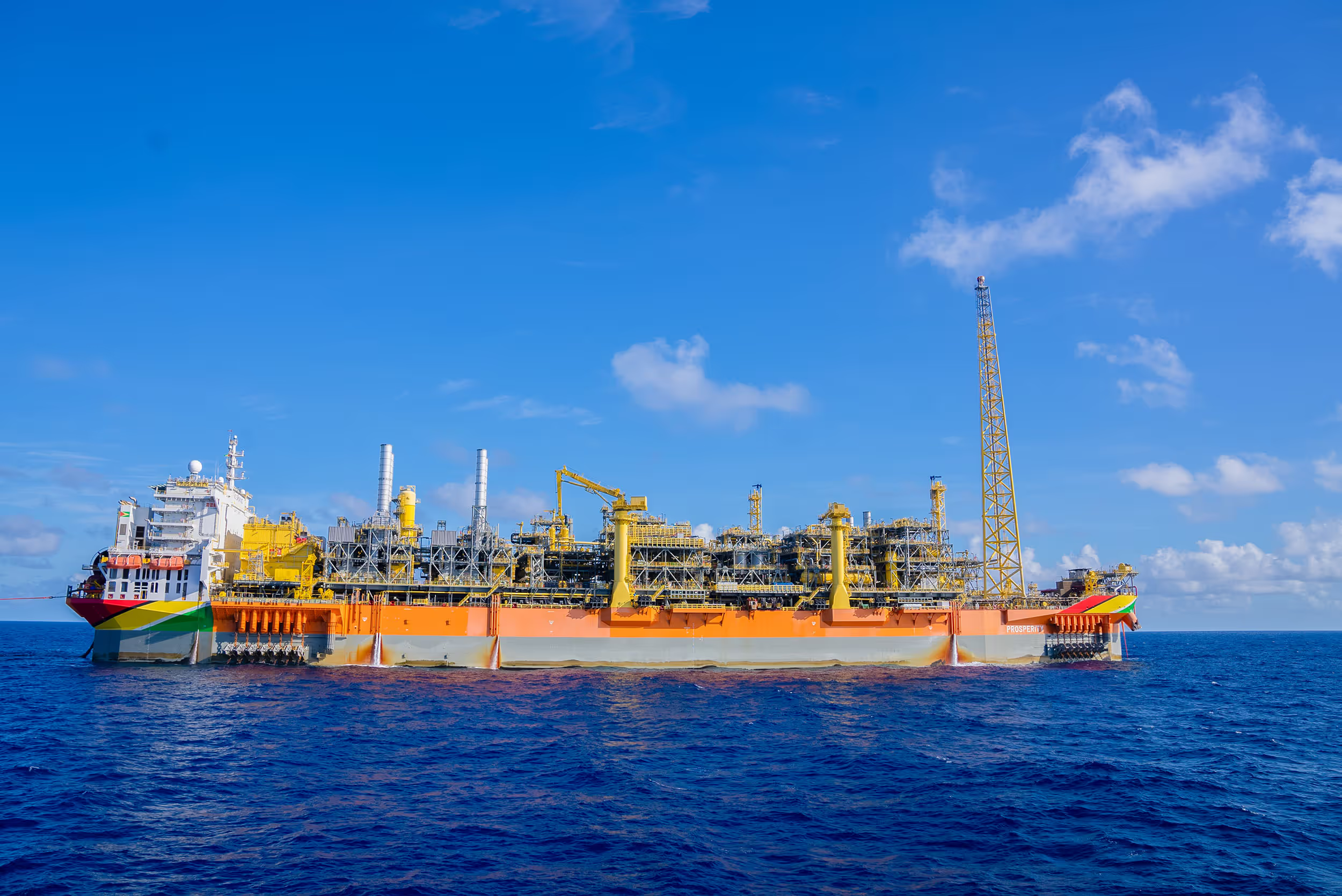
On the question of fairness, Ali’s acknowledged that Guyana’s production sharing agreement with ExxonMobil may not provide the country with the best possible deal.
The agreement was signed by the previous APNU+AFC administration, but Ali said his PPP/C government recognised the importance of respecting contracts already entered into by the state.
“Whilst it may not be a contract that offers the best deal to the country, it is a contract that we have entered into as a country,” he said.
His administration, he explained, is focused on maximising the benefits Guyanese receive from the agreement rather than reopening its terms.
Ali said this would involve increasing opportunities for local businesses and citizens to benefit from the expanding oil industry. He also announced plans to develop investment vehicles that would allow ordinary Guyanese families to invest in energy-sector projects and earn returns.
“Incrementally, we want to transfer more and more benefits to the Guyanese private sector and Guyanese citizens as a whole,” he said.
His comments distinguish between the terms of the existing oil contract and the broader relationship with the United States. While he defended the latter, he did not claim that the agreement with ExxonMobil was the best deal Guyana could have secured.
Nor did he directly establish that the United States had been fair in negotiating the arrangement. The agreement involves Guyana and the Stabroek Block co-venturers, with ExxonMobil as operator, Chevron and CNOOC.
Ali maintained that Guyana could work closely with Washington without compromising its independence, arguing that the relationship should benefit both countries and the wider region.
He said the government was pursuing cooperation in development and security while protecting Guyana’s national interests.
The interview also addressed the longstanding border controversy with Venezuela. Ali reiterated that the 1899 Arbitral Award settled the boundary and said Guyana would abide by the International Court of Justice’s ruling on the case, urging Venezuela to do the same.
On biodiversity, he argued that countries with significant natural assets should be able to generate economic value from protecting them, including through market-based approaches.