















For decades, oil in Guyana was little more than a story people whispered about, a distant dream floating somewhere beneath the Atlantic Ocean while the country battled poverty, shortages, migration and political division.
Older Guyanese grew up hearing that one day the country would “strike oil” and become rich. But few truly believed it would happen in their lifetime.
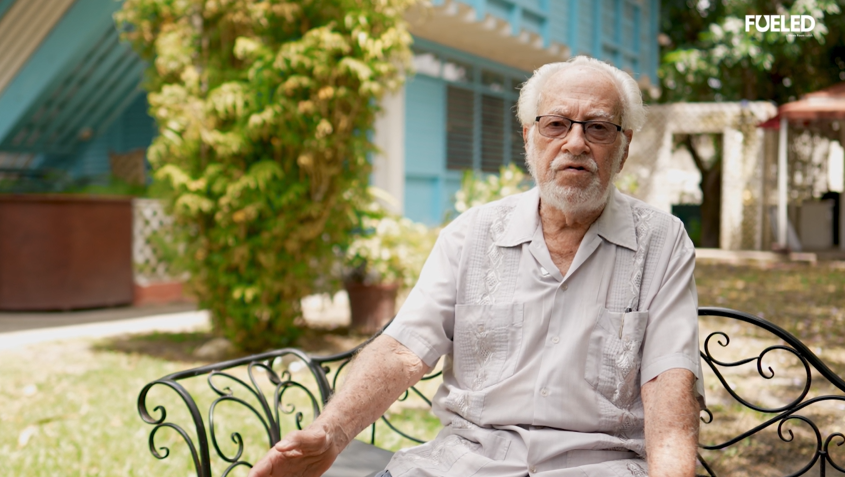
“We were very poor,” former government minister and communications strategist Kit Nascimento told Fueled during a wide-ranging conversation reflecting on Guyana’s 60 years of Independence.
“It was a faint hope rather than a fact of life.”
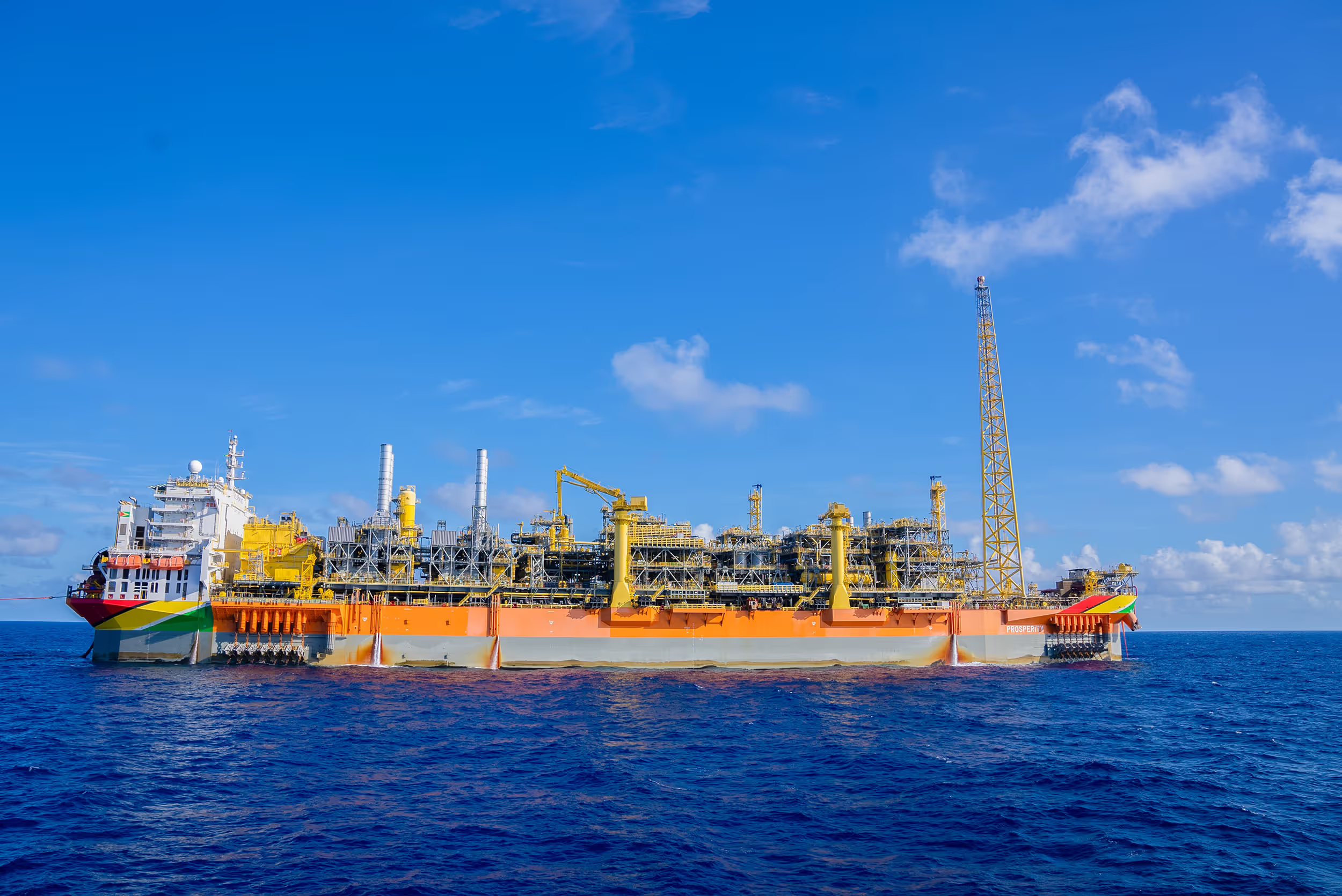
Today, that faint hope has turned Guyana into one of the fastest-growing economies in the world. Oil revenues are pouring in. Massive highways are rising. New hospitals, hotels and energy projects are reshaping the country almost faster than people can process it.
But according to Nascimento, who witnessed Guyana become independent in 1966 and later served inside the government during some of the country’s toughest years, oil could either become the force that finally unites Guyana or the very thing that tears it apart.
“It could do both,” he warned. “It entirely depends on what the government of any country does with it.”
Before Oil, There Was Survival
Nascimento remembers standing among the crowds when the Golden Arrowhead was first raised and the Union Jack lowered at Independence on May 26, 1966.
“We were a badly divided nation coming out of that colonial past,” he recalled.
That division existed alongside economic struggle. Guyana in the years after Independence was not thinking about billion-dollar oil discoveries. The country was trying to survive.
“We smuggled everything, Nascimento said. “Everything we needed.”
The economy revolved around what Guyana could physically pull from the ground and fields — sugar, rice, bauxite, gold and timber. Bauxite was king. Agriculture employed thousands. Oil was never considered a serious development strategy.
“You can’t run a government on the basis that you might get money from somewhere someday,” he said.
And so, while rumors of offshore oil floated around for generations, leaders focused on the resources they actually had.
Exxon Found What Others Abandoned
Nascimento said numerous companies searched Guyana’s offshore basin over the years but eventually gave up.
ExxonMobil did not.
“Exxon stuck with it and found it,” he said.
That discovery changed everything.
The same country that once struggled with shortages and limited foreign currency is now managing billions of US dollars in oil revenues. Entire communities are being transformed by infrastructure projects, rising investments and expanding economic opportunities.
“The amount of money available to the country today bears no comparison to what we had before oil,” Nascimento said.
Still, he cautioned against believing oil alone is Guyana’s salvation.
Around the world, oil-rich nations have often become trapped by corruption, inequality and instability. Nascimento pointed directly to neighboring Venezuela — a country with enormous oil wealth that descended into economic and political crisis.
Guyana, he suggested, now stands at a crossroads many resource-rich countries failed to navigate successfully.
“Oil Will Run Out”
Despite the excitement surrounding Guyana’s oil boom, Nascimento believes one of the country’s greatest dangers is becoming too dependent on petroleum wealth.
“Oil will run out,” he said plainly.
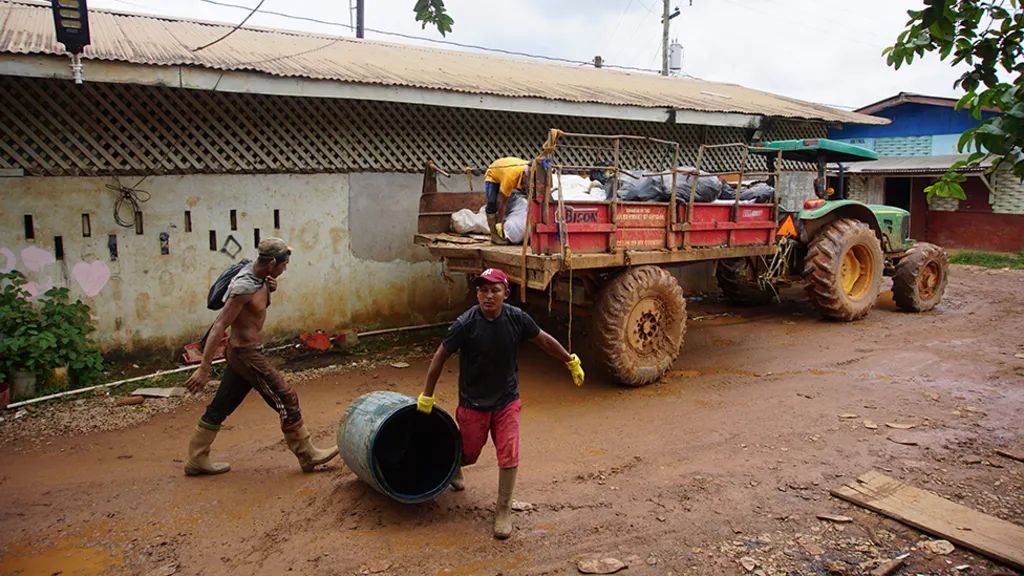
He argued that Guyana must use today’s revenues to build industries capable of surviving long after the oil era fades, especially agriculture, tourism and education.
For him, the bigger challenge may not even be money.
It is people.
Quoting businessman and former politician Peter D’Aguiar, Nascimento said: “Guyana’s problem is not that we are a people without land. It is that we are a land without people.”
Even as billions flow into the economy, Guyana continues to lose skilled workers and trained professionals through migration, while struggling to fill critical positions across industries.
“Now we have the money,” Nascimento said. “But do we have enough people with the skills to build the country?”
The Real Test of Independence
As Guyana celebrates 60 years of Independence, Nascimento believes the country’s greatest achievement is not oil itself.
It is endurance.
He lived through years of political violence, economic collapse and deep ethnic tension. He watched Guyana survive periods when many doubted the country’s future altogether.
“The fact that we weathered the storm,” he said, “that we survived those difficult times and are now building one Guyana — I’m proud of that.”



.png)
.jpg.jpeg)