

















.png)
Guyana’s Minister of Natural Resources, Vickram Bharrat has reaffirmed the Irfaan Ali-led administration’s commitment of placing 30 per cent of the country’s landmass under formal protection, a move expected to boost longstanding conservation efforts amid heightened activity in the energy sector.
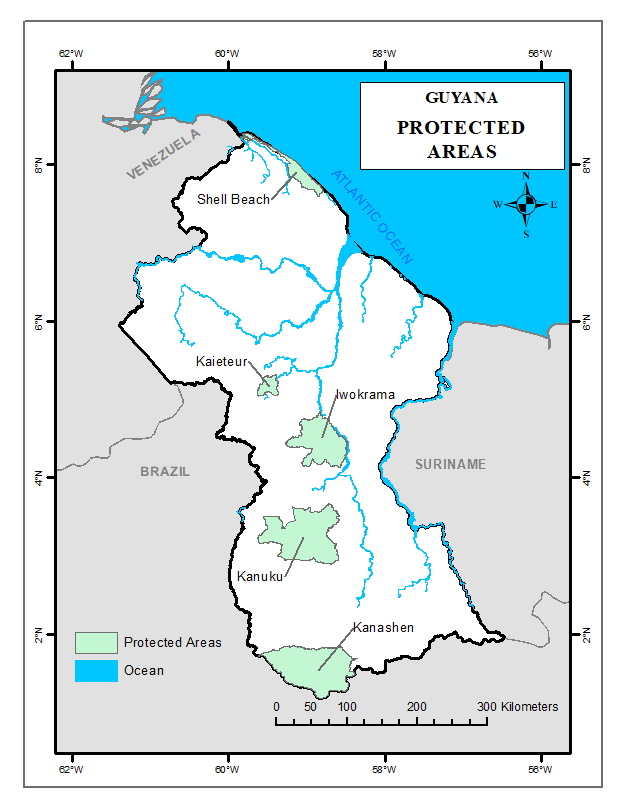
Bharrat spoke about the commitment on Monday while addressing a ceremony at the Marriott Hotel, Kingston, marking 30 years since the passage of the Iwokrama Act. He noted that about nine per cent of Guyana's landmass currently falls under protected status, spread across Kanashen, the Kaieteur National Park, the Kanuku Mountains, Shell Beach, and the Iwokrama Forest.
A protected area is a geographic space, placed under legal protection to conserve its unique biodiversity, ecosystems, and cultural heritage while securing natural resources found there.
The Natural Resources Minister said the Ali administration is going to double the landmass under protected status soon. By 2030, per the country’s sustainable development blueprint called the Low Carbon Development Strategy (LCDS), that landmass under protected status will increase to 30 per cent.
"When President Ali's administration makes a commitment, we keep that commitment," Bharrat said. "We are serious about our responsibilities, especially when it comes to the environment."
President Ali and other government officials have spoken about this goal before. Already, Guyana has the world’s second-highest forest density, with a majority of the country covered in trees that help serve as the lungs for the planet and provide a home to thousands of plant and animal species.
That environmental stewardship has drawn international recognition, and Bharrat said the government's sustained efforts show that economic development and conservation can advance together.
"Our model as a government is that we believe we can strike the balance between environmental sustainability and economic development," he said.
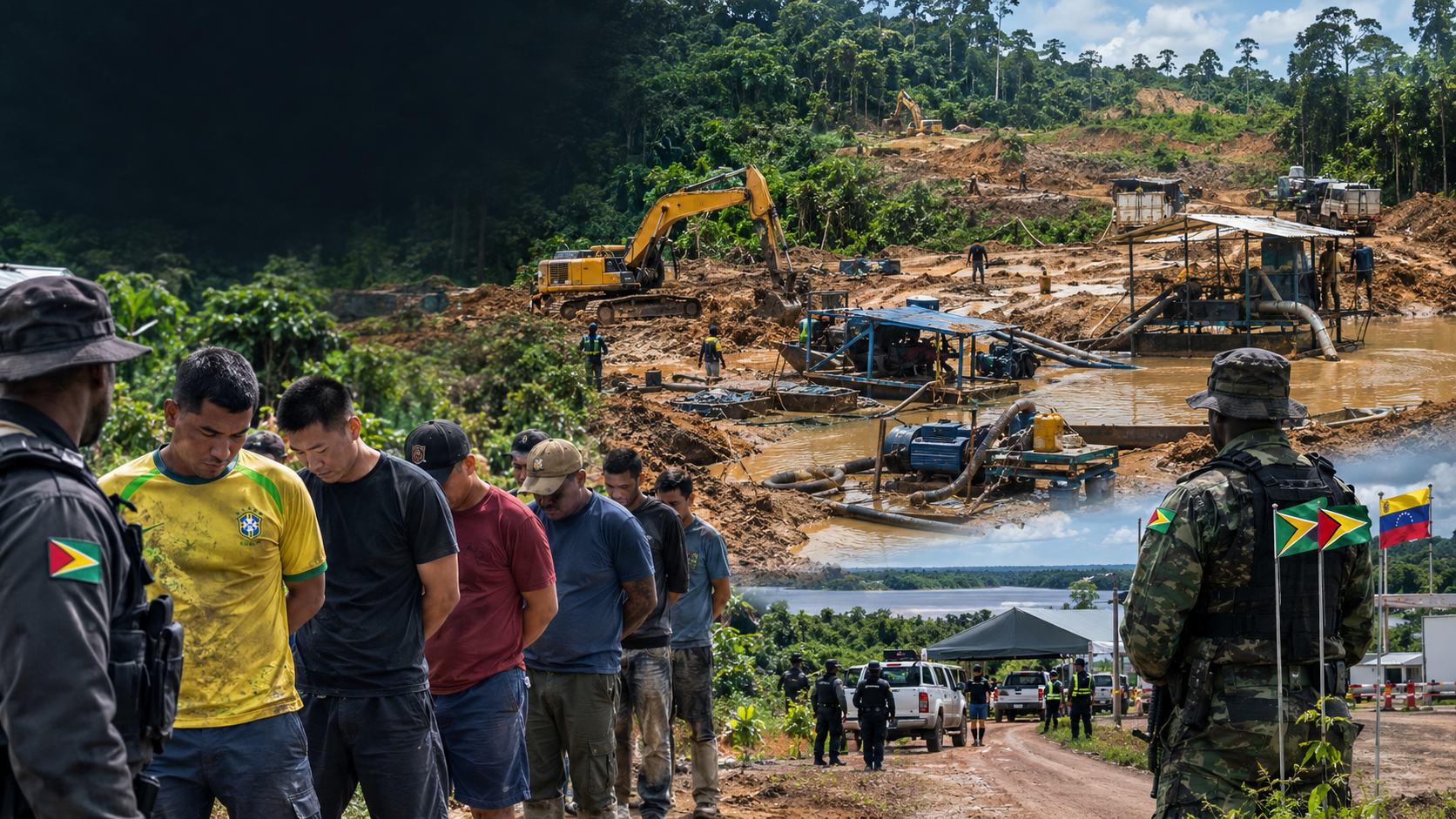
"Many people would tell us not to produce hydrocarbons or not to engage in mining activities — but we will show them that we will continue to be responsible about it," Bharrat added.
The specific areas slated for protected status have yet to be named, but Bharrat maintained that the government's commitment to reaching the 30 per cent threshold by 2030 remains firm amid heightened activity in the energy sector.



.png)

.jpg.jpeg)