
















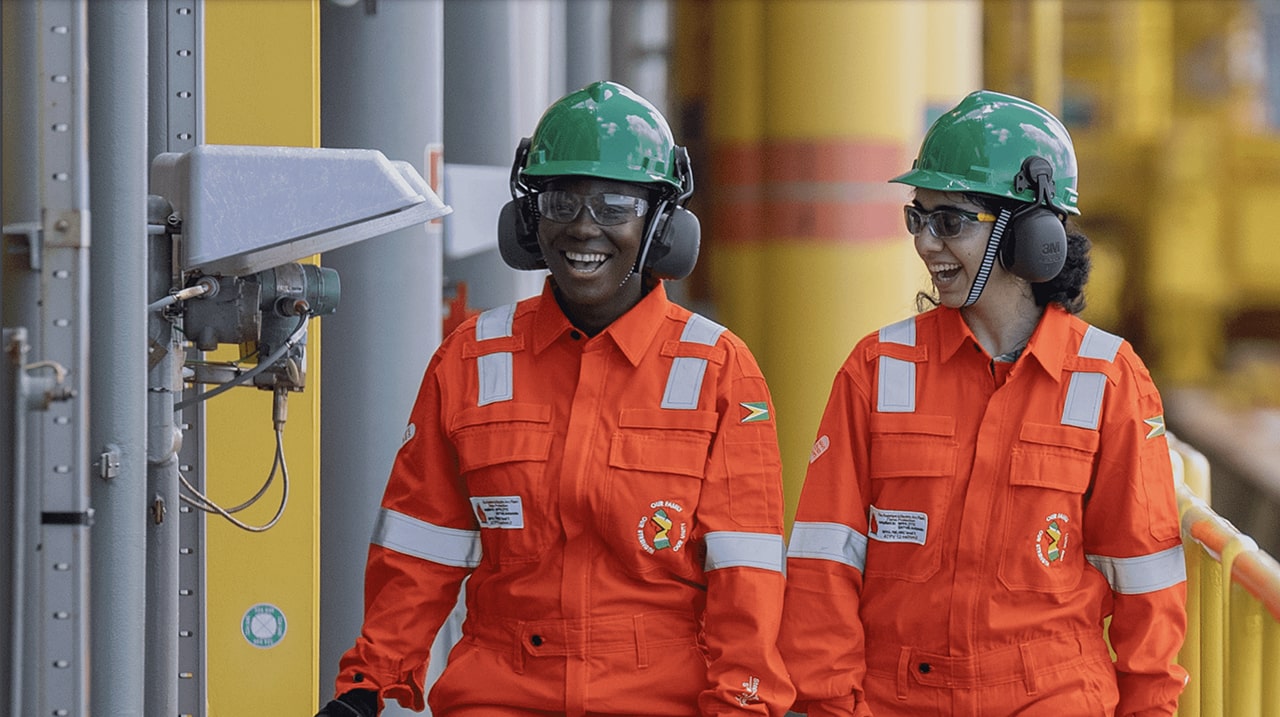
Almost 7,000 Guyanese have been trained and employed in the oil and gas industry, Natural Resources Minister Vickram Bharrat said.
But beyond the headline figure lies a more important question for Guyanese workers: how many are advancing into specialised technical, professional and management positions, and how many are employed in support services?
Bharrat cited the employment figure during the opening ceremony of the World Trade Centre Georgetown’s International Trade and Investment Conference on Tuesday, arguing that the Local Content Act has helped Guyanese secure opportunities in an industry that previously relied heavily on established international suppliers and workers.
He said the government's achievement was not simply the rapid expansion of oil production, but the number of Guyanese participating in the industry and the local businesses providing goods and services to it.
The figures are significant, but the minister's statement did not provide a breakdown of the nearly 7,000 workers by occupation, salary, qualification or level of responsibility.
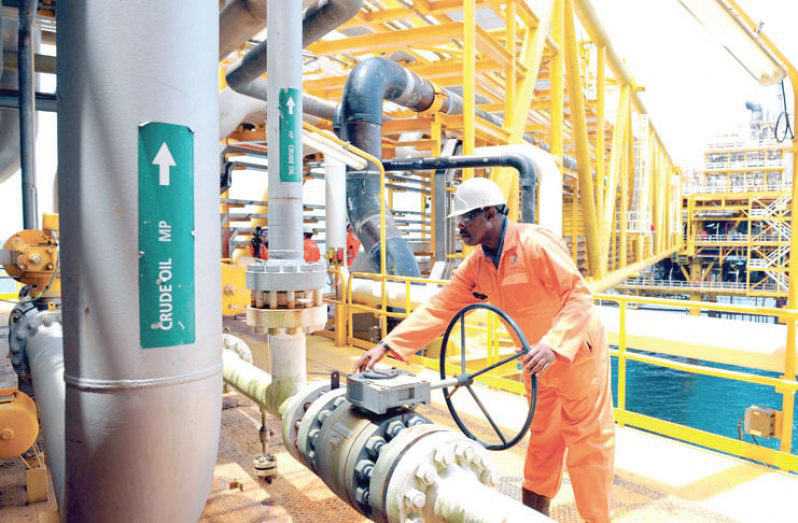
Some jobs involve transportation, catering, accommodation, security and other support services. Others require specialised expertise in offshore operations, engineering, drilling, subsea systems, geology, reservoir management, maintenance and safety.
All contribute to the industry, but they offer different training requirements, career paths and earning potential.
In February 2026, Bharrat said the government's ambition was for Guyanese to become petroleum engineers, reservoir engineers and professionals involved in the technical management of the sector, rather than remain concentrated in labouring and support roles.
That ambition places skills development at the centre of the local content debate.
The industry needs workers who can fill immediate operational requirements, but Guyana's longer-term gains will also depend on whether citizens acquire the qualifications and experience to take on more specialised and senior positions.
A separate report published by the Department of Public Information in June 2026 cited ExxonMobil Guyana's estimate that Guyanese accounted for approximately 68% of the workforce supporting the sector by the end of 2025, including about 1,800 people working offshore. It also reported that women made up roughly one-third of Guyanese workers in the sector.
Those figures offer additional insight into local participation, but the measures should not be treated as interchangeable. The proportion of a workforce that is Guyanese, the number employed offshore and the number trained and employed across the wider industry describe different aspects of the labour market.
A fuller picture would require a breakdown of direct employees and contractor staff, offshore and onshore positions, occupational categories, qualifications and management responsibilities.
It would also be useful to know how many Guyanese have progressed into senior technical positions over the past five years, how many have obtained internationally recognised certifications and where employers continue to depend on overseas specialists.
The next test is career progression
Training is an important first step, but the number of people who complete courses does not by itself show whether they have secured jobs matching their qualifications or advanced into higher-skilled positions.
For workers, the difference is practical: access to a job today is valuable, but access to a career that offers further training, higher responsibility and better prospects can have a longer-lasting impact.
For employers, developing local expertise can strengthen the supply of skilled labour and reduce reliance on recruitment from overseas where suitably qualified Guyanese are available.
Bharrat has argued that local content has helped ensure Guyanese are no longer spectators in their country's oil industry. The government has also signalled that further opportunities should be created through training, technical education and expanded participation by local businesses.
The next measure of progress, therefore, is not only how many Guyanese work in oil and gas, but what they do, what skills they acquire and how far they can advance.
The nearly 7,000 figure provides a starting point. A detailed occupational breakdown would show how much of Guyana's petroleum workforce is moving into the specialised jobs that underpin the industry's long-term operation.