

















President Irfaan Ali says Guyana’s oil boom should do more than fill offshore production figures, he wants the country to build the infrastructure and trading capacity to become an energy supplier to the wider Caribbean.
Guyana is already one of the world’s fastest-growing oil producers, yet it still relies heavily on imported refined petroleum products to meet its domestic fuel needs.
Dr Ali says that has to change.
The President wants Guyana to build a broader energy ecosystem around its growing petroleum production one that includes fuel storage, supply, trading and regional distribution.
Rather than simply producing crude offshore and exporting it, the strategy is to position Guyana as a place where energy products can be stored, traded and moved into regional markets.
Ali has described the need to build a “large ecosystem” around energy, including greater storage capacity and the ability to participate in the regional trading of refined petroleum products.
That would represent a major shift in how Guyana approaches its oil wealth.
The immediate issue, however, is that Guyana’s growing crude production has not yet translated into energy independence.
That vulnerability was exposed in April 2026 when a disruption involving a fuel shipment raised concerns about the availability of petroleum products on the local market.
The episode underscored a basic contradiction in Guyana’s oil story: the country can produce hundreds of thousands of barrels of crude a day offshore while still depending on ships bringing refined fuel into the country.
Government’s response is increasingly focused on infrastructure.
Ali has previously announced plans for major investments in fuel storage, saying Guyana needs to build reserves for its own use while creating the capacity to serve neighbouring Caribbean markets.
He has also floated the possibility of Guyana becoming a strategic storage location for Gulf states, including for fuel and other critical commodities such as fertiliser.
The idea is to take advantage of Guyana’s location, expanding economy and rapidly growing energy sector.
But becoming a genuine regional energy hub will require considerably more than oil production.
Guyana would need large-scale storage terminals, marine infrastructure, reliable port facilities, trading arrangements and distribution networks capable of moving petroleum products efficiently into Caribbean markets.
Some of that infrastructure is already taking shape.
The TriStar Shore Base and Energy Terminal on the West Bank of Demerara is being developed as a multipurpose maritime facility supporting offshore oil and gas, containers, general cargo and project vessels.
Its first phase includes 320 metres of quayside, with later development planned to include a 5,500-TEU container terminal, roll-on/roll-off facilities, pipe yards and additional logistics infrastructure.
The wider push is therefore bigger than Guyana’s oil fields.
It is about building the physical and commercial infrastructure around those fields — and capturing more value from the energy industry before products leave Guyana.
There is also a regional market that Guyana could potentially serve.
Several Caribbean countries remain dependent on imported petroleum products, meaning Guyana’s geographic position and expanding oil industry could eventually give it a role in regional supply and storage.
But that opportunity should not be confused with where Guyana is today.
Guyana is not yet a regional fuel supplier. It is positioning itself to become one.
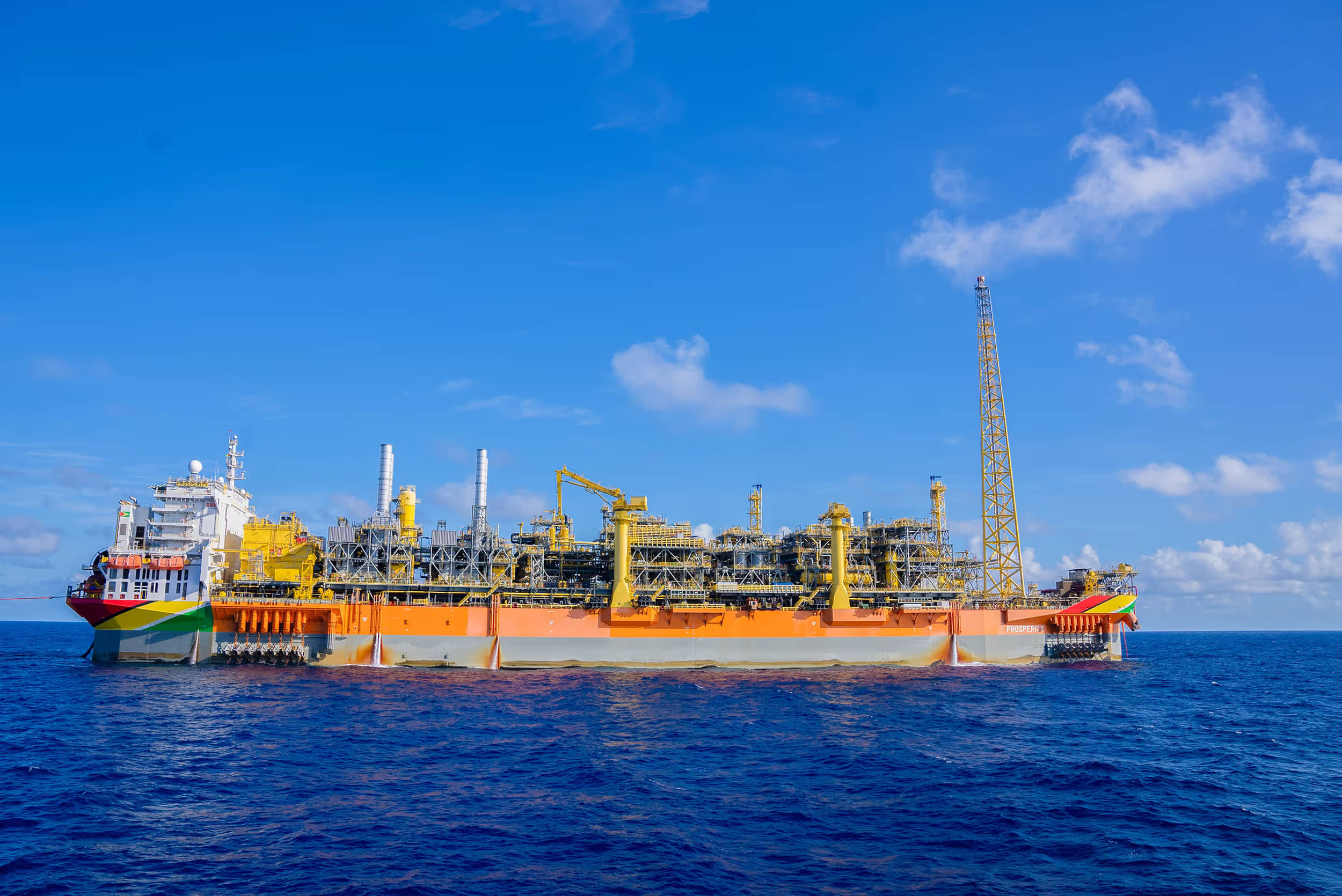
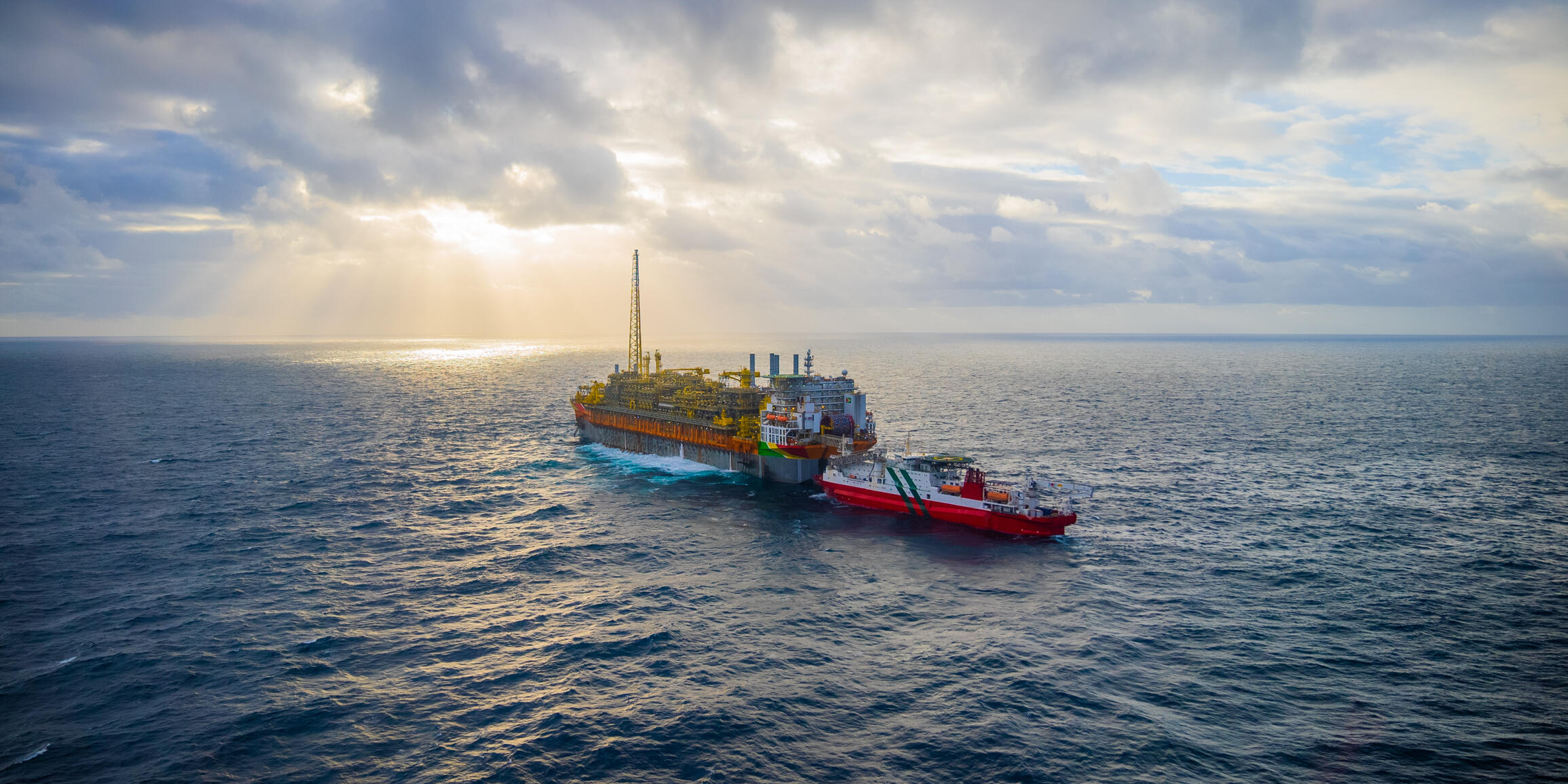
If government succeeds, Guyana’s oil story could eventually extend beyond the FPSOs producing crude offshore.
It could include storage tanks onshore, ships moving petroleum products, trading desks buying and selling energy across the region and a logistics network connecting Guyana to Caribbean markets.



.png)
.png)
.jpg)