
















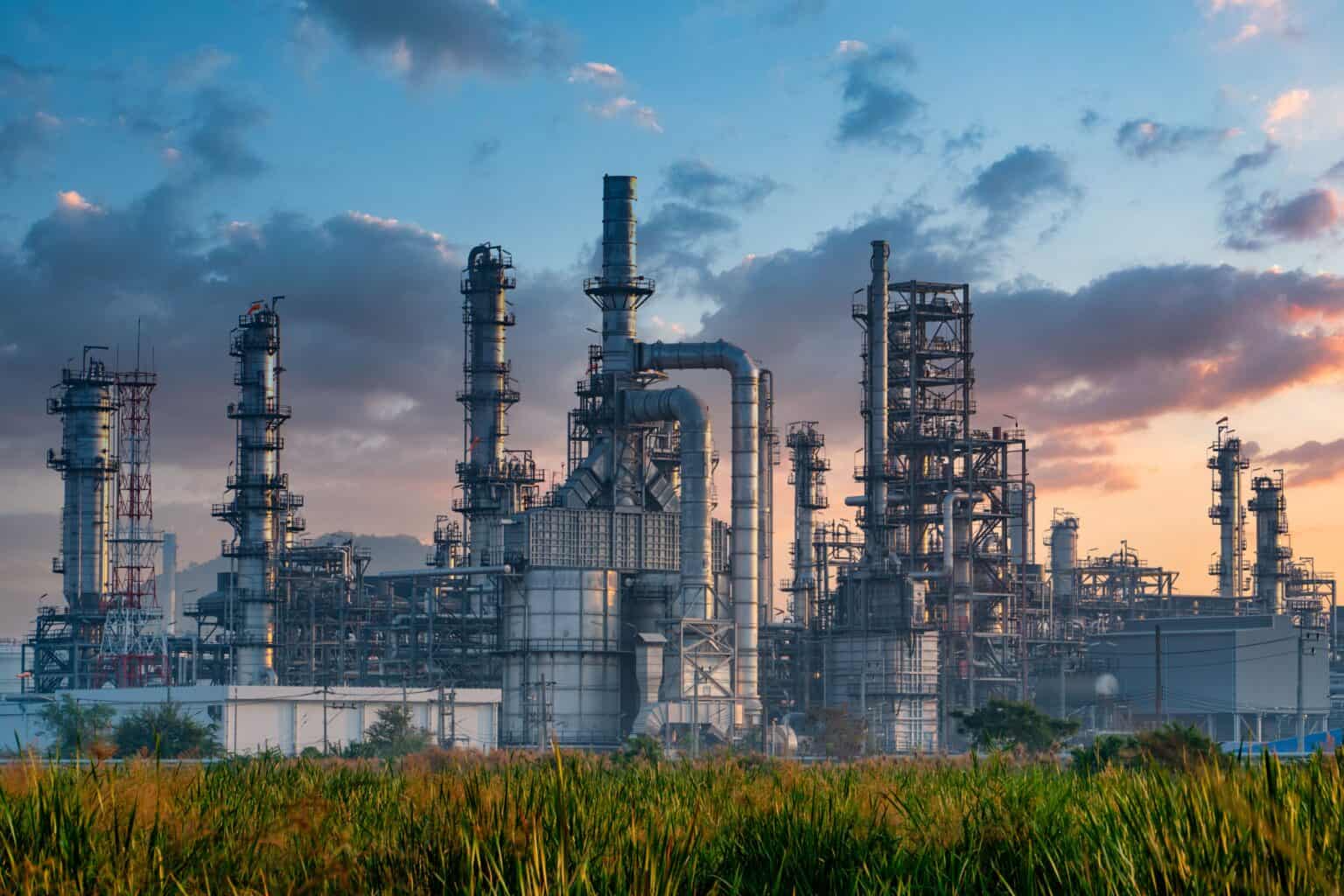
President Irfaan Ali says Guyana's next stage of oil-sector development must go beyond producing crude and should include a local refinery, greater fuel-storage capacity and potentially a national oil company to help Guyana capture more value from its growing energy industry.
Speaking at a press conference on Tuesday, Ali linked the refinery proposal directly to the country's cost-of-living problem, arguing that Guyana's position as a major crude producer does not protect consumers from international fuel-price shocks because the country continues to import refined petroleum products.
“We produce crude oil, but we import all refined oil,” Ali said, arguing that a refinery would provide Guyana with greater energy security and a degree of protection against international market disruptions.
The President said the Government is already seeing interest in a refinery and hopes to attract investment into the project.
The idea is not new. Guyana has been pursuing a refinery for several years. In 2022, Government sought expressions of interest for a 30,000-barrel-per-day refinery in Region Six, while a separate proposal involving the Dominican Republic has also been under consideration.
But Ali's latest comments broaden the proposal.
He said a refinery should be considered alongside increased fuel-storage capacity and a possible national oil company, creating what he described as a wider energy ecosystem.
The national oil company, he suggested, would not necessarily be created simply to invest directly in oil projects. Instead, it could take a broader role in the country's energy supply chain, including refined products, storage and trading.
The President said Guyana could eventually position itself as an important regional supplier of refined petroleum products, particularly within CARICOM, while also maintaining strategic fuel reserves at home.
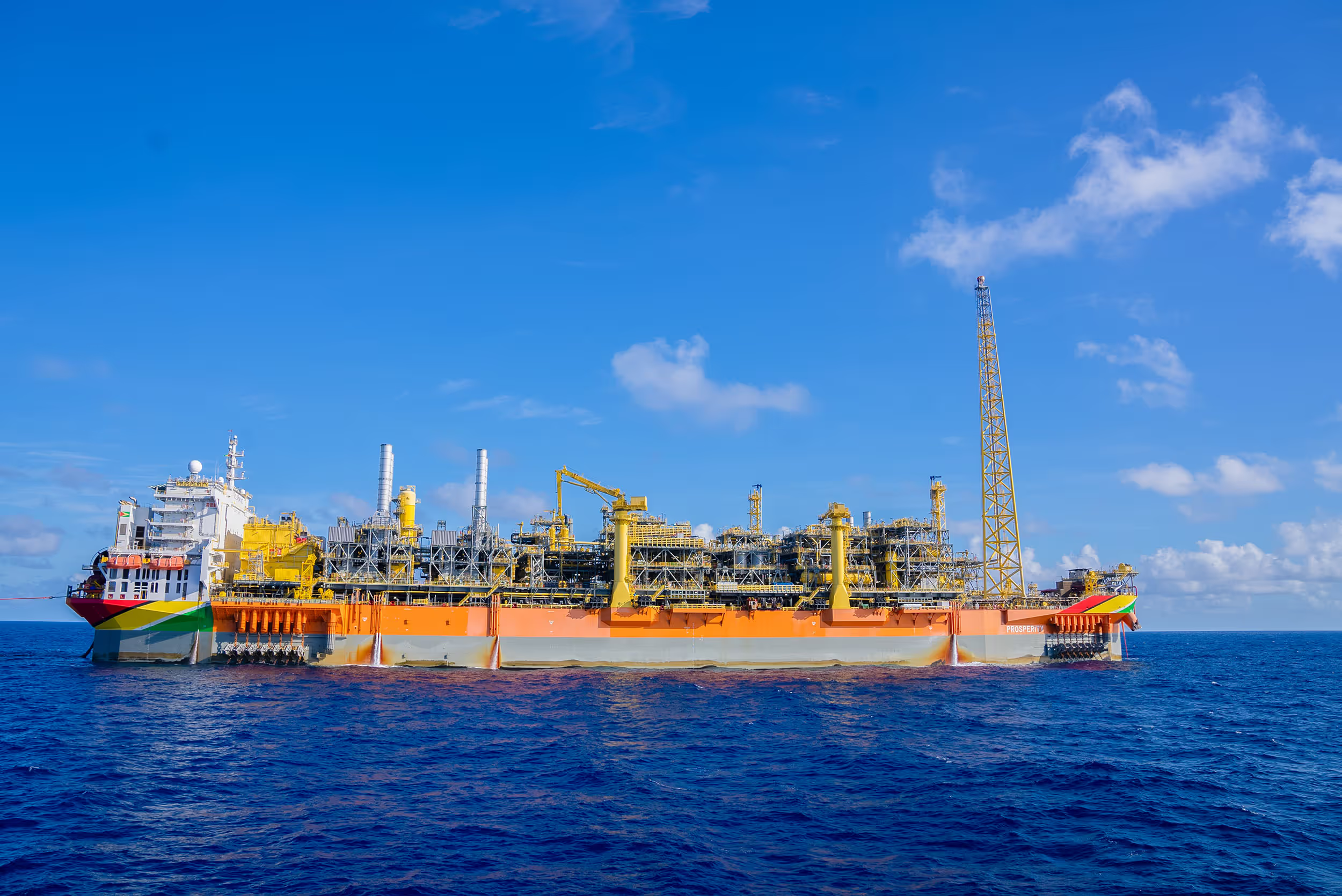
That discussion comes as Guyana's oil production moves into another major phase.
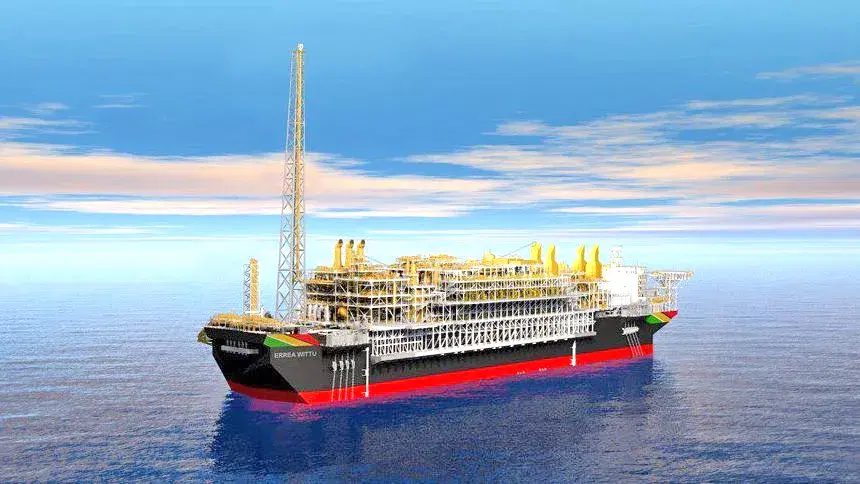
The Errea Wittu FPSO for ExxonMobil's Uaru development is expected to add approximately 250,000 barrels per day once production begins. MODEC, which is building and will operate the FPSO, confirms its designed oil-production capacity at 250,000 barrels per day.
The Uaru development itself is valued at US$12.7 billion — a figure that should not be confused with the construction cost of the FPSO alone.
Ali's argument is that producing more crude will not, by itself, solve Guyana's vulnerability to international fuel-price movements.
He has made a similar case previously. In March, the President said the global energy crisis had reinforced the need for Guyana to return to the refinery conversation, noting that at least five investors had expressed interest.



.png)
.png)
.png)