


















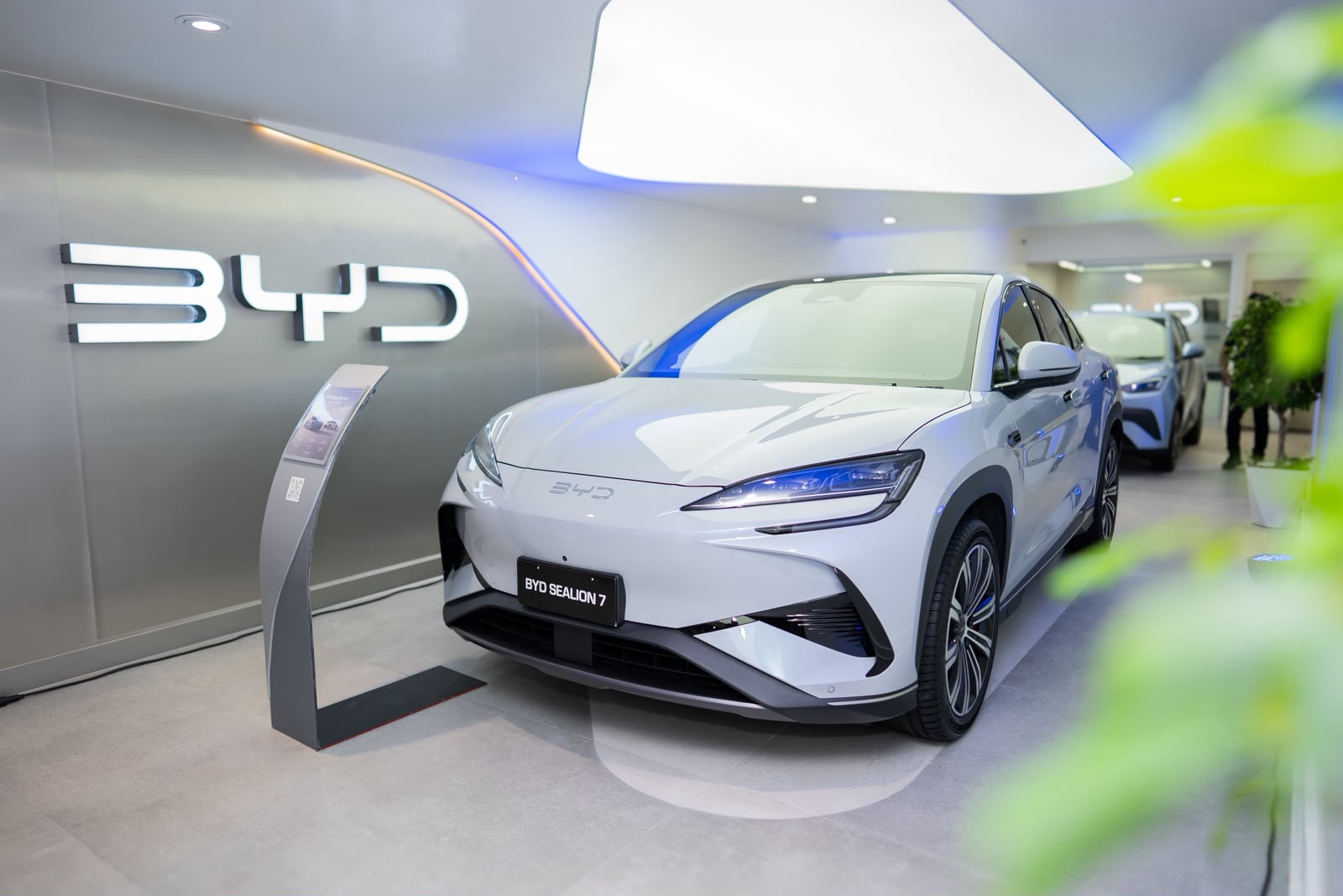
Higher fuel prices and supply disruptions stemming from the Middle East conflict heightened interest in electric vehicles, according to a recent report from the International Energy Agency (IEA).
In its "Electric Car Markets in a Time of Uncertainty" report, the IEA found that EV sales rebounded sharply in the second quarter of 2026, rising 35% compared to the first three months of the year, with sales reaching record levels in 50 countries. Overall, EVs accounted for 24% of global car sales in the first half of the year — slightly higher than in the first half of 2025.
Road vehicles, the IEA explained, account for nearly half of global oil use. As fuel prices rose and shortages were felt in some countries, governments were forced to roll out measures to cushion the impact.
The IEA noted that a number of countries implemented response measures aimed at reducing transport energy demand, especially in the near term. These have included fuel rationing, promotion of teleworking, carpooling and the use of public transport, as well as increased biofuel blending with gasoline and diesel.
Beyond immediate relief measures, some countries have announced policies aimed at more structural changes to support EV adoption — vehicles powered by electricity and battery technology, rather than traditional fuels like petrol or diesel.
The Netherlands and Ireland announced scrappage schemes through which consumers are incentivised to trade in older conventional cars for new electric ones. The United Kingdom and Australia have included EV charging infrastructure support as part of their emergency responses. In Africa, Kenya announced that 100,000 EVs will have import duties waived, while Rwanda issued a directive requiring all public institutions to ensure at least 30% of newly-procured vehicles are electric.
The report details that sales surged particularly in Australia, Brazil, India, South Korea and Vietnam — markets where EV sales roughly doubled between March and June compared with the same period in 2025. Europe also recorded strong growth in the first half of the year.
The report doesn't include data specific to Guyana, but Chief Executive Officer of the Guyana Energy Agency, Dr. Mahender Sharma, shared some valuable insights in a recent interview with Fueled.
He highlighted that more than 500 EVs were imported by the end of 2025. By July 2026, that number climbed to 870 — a figure Dr. Sharma says continues to rise steadily, driving government-led investments in dozens of new charging stations countrywide.
Dr. Sharma also emphasised that EVs are more cost-effective. The cost to drive a fuel-powered vehicle in Guyana ranges from G$15 to G$40 per kilometre, whereas an EV costs about G$9 per kilometre. That figure is expected to decline further once Guyana's Gas-to-Energy project is operational and electricity costs are halved, Dr. Sharma said.
He believes there is growing demand for EVs in Guyana, and that diversity in the transport sector will help cushion local drivers from geopolitical shocks — like the rising fuel costs stemming from the Middle East conflict. The Guyana Government, he noted, is implementing policies to facilitate that demand.
Policy support is precisely what the IEA says will be a major factor in sustaining EV sales growth. Tax breaks and investments in public charging infrastructure are among the measures the agency highlights as critical to accelerating adoption.
As countries grapple with the fallout from the Middle East conflict and ongoing disruptions in the global energy sector, EVs are increasingly seen as a viable and desirable alternative in transportation.



.png)



.png)