
















Small organisations and start-ups seeking support for their ideas may have opportunities to work with the Greater Guyana Initiative (GGI), which says proposals are considered on a case-by-case basis and that it has already engaged in collaborative partnerships with entities at the development and start-up stages.
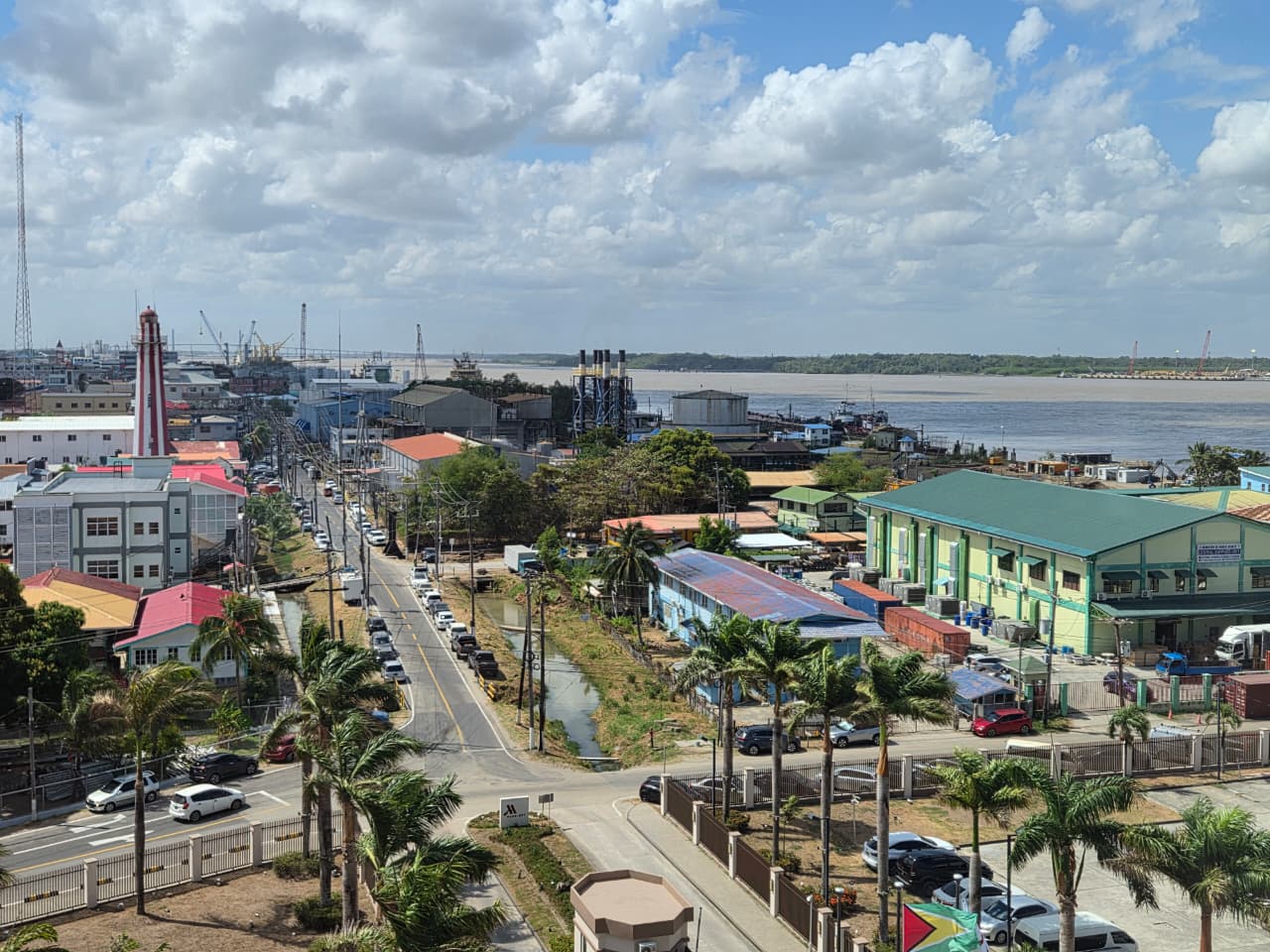
The clarification came during the GGI Stakeholder Forum 2026 at the Guyana Marriott Hotel on Friday, where participants raised questions about how the initiative could support emerging businesses and organisations seeking to turn new ideas into practical services and products.
Responding to a question, Alicia Bess-Anderson, Lead for the Greater Guyana Initiative (GGI), said the initiative reviews proposals individually and has worked with some organisations that are still developing or establishing their operations.
“We actually do review proposals on a case-by-case basis,” Bess-Anderson said.
She explained that GGI’s work is guided by three main areas: education and training, community health, and economic development and diversification.
The initiative also places emphasis on building capacity within communities and among civil society organisations seeking grant funding.
Bess-Anderson disclosed that training sessions are planned within the next year to help people better understand proposal writing and how to prepare applications that are competitive and suited to international funding opportunities.
The training, she said, is intended to benefit organisations seeking support from GGI as well as those pursuing funding from other sources.
The discussion highlights a challenge for smaller organisations and emerging businesses: having a useful idea or identifying a community need does not automatically mean they have the experience or resources required to secure funding and implement a project.
For those organisations, access to guidance on proposal development and the ability to build partnerships could be important steps towards attracting support.

The issue was also raised during the forum’s Impact and Insights Dialogue, where Zaki Raheem, Senior Director of Programmes at the Miller Center for Global Impact, urged organisations to consider how they could sustain their work beyond the life of an initial grant.
Raheem said organisations should invest in partnerships, explore new business models and establish credible ways of measuring their impact.
He pointed to examples from other countries where organisations extended the reach of their programmes by working with universities, businesses, public agencies and other partners.
He also encouraged organisations to look beyond traditional funding arrangements and consider how services could continue to operate through public-sector support, corporate partnerships, service contracts or earned revenue.
For organisations seeking investment, he stressed that demonstrating impact requires more than reporting how many people participated in a programme. They should also be able to show whether those people used the skills they acquired and whether their circumstances improved as a result.
The Greater Guyana Initiative is a US$100 million initiative funded by ExxonMobil Guyana, Hess Guyana Exploration and CNOOC Petroleum Guyana. It supports programmes aimed at strengthening education and training, community health, and economic development and diversification.
The forum also highlighted existing initiatives, including cancer screening services accessed by more than 2,000 women and girls, Project FLOW, which is bringing purified water to 18,000 students nationwide, and training provided to more than 1,100 poultry farmers.
The planned proposal-writing sessions could help organisations strengthen their applications and broaden their access to funding. However, GGI has not indicated that a separate start-up funding programme has been established or that all start-up proposals will receive support.