















.jpg)
A coalition of countries — including several from the Caribbean — is calling for a major shift in global climate policy, urging the creation of a legally binding international treaty to phase out fossil fuels in a fair and equitable way.
The call emerged from a high-level meeting held in Santa Marta, Colombia, a Caribbean coastal city, where ministers and senior officials gathered ahead of a wider global conference on transitioning away from fossil fuels. More than 60 countries are expected to participate in the broader talks, signalling growing international momentum.
For Caribbean nations, the issue is not abstract. Small island developing states (SIDS) such as Saint Lucia, Jamaica and the Dominican Republic — all present as observers — face rising sea levels, stronger hurricanes, and economic vulnerability tied to climate change.
Saint Lucia’s Director of Finance, Imran Williams,highlighted a key concern for the region: accountability.
“We need clear mechanisms to track whether countries are actually phasing out fossil fuels. Without that, commitments risk becoming empty promises,” he said.
The Caribbean has long advocated for climate justice —arguing that countries which contributed least to global emissions are now paying the highest price. That message was echoed strongly throughout the Santa Marta discussions.
At the heart of the talks is a proposal for a Fossil Fuel Treaty — a new international legal instrument that would go beyond existing climate agreements by directly targeting the production of coal, oil and gas.
Supporters say current frameworks, including the Paris Agreement, do not adequately address fossil fuel supply — a gap they believe must be closed to keep global warming within the 1.5°C limit.
The proposed treaty would:
* Set binding limits on fossil fuel production
* Establish equitable timelines for phase-out
* Create financing mechanisms such as a Global Just Transition Fund
* Address debt burdens that prevent developing countriesfrom shifting to clean energy
Colombia’s Environment Minister Irene Vélez Torres, whochaired the meeting, said the initiative is about fairness as much as climateaction.
“Countries of the Global South must not pay the price of acrisis they did not cause,” she stated.
The coalition includes countries from Africa, Asia, Latin America, the Pacific, and the Caribbean. The presence of Caribbean nations as observers signals increasing regional engagement, even as some economies remain dependent on imported fossil fuels.
Saint Lucia’s participation reflects a broader Caribbean concern: how to transition without harming fragile economies.
Other countries, including Ghana and Kenya, indicated they are moving closer to formally joining the treaty initiative, further expanding the coalition.
Pacific island nations, often aligned with Caribbean climatepositions, reinforced the urgency.
Tuvalu’s Climate Minister, Dr. Maina Talia, made it clear:
“This is not a negotiating position — it is a matter of survival.”
That sentiment resonates strongly in the Caribbean, where climate impacts are already affecting agriculture, tourism, and infrastructure.
Participants argued that traditional UN climate negotiations have been too slow and constrained by consensus politics. The Santa Marta process is designed to bring together “high-ambition” countries willing to move faster — similar to past treaties that broke global deadlocks.
The coalition is now pushing for the Santa Marta Conference to formally recommend negotiations on the treaty, with a follow-up conference expected to be hosted by Tuvalu in the Pacific.
The group also warned against relying on measures such as carbon offsets, geoengineering, and carbon capture technologies if they prolong fossil fuel use — a position that aligns with many Caribbean environmental advocates.
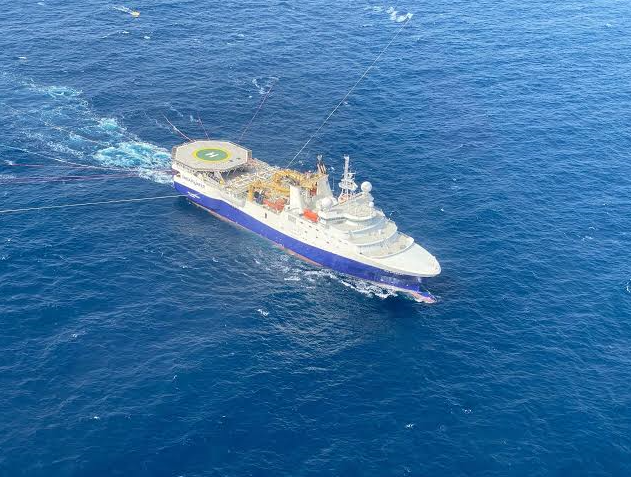
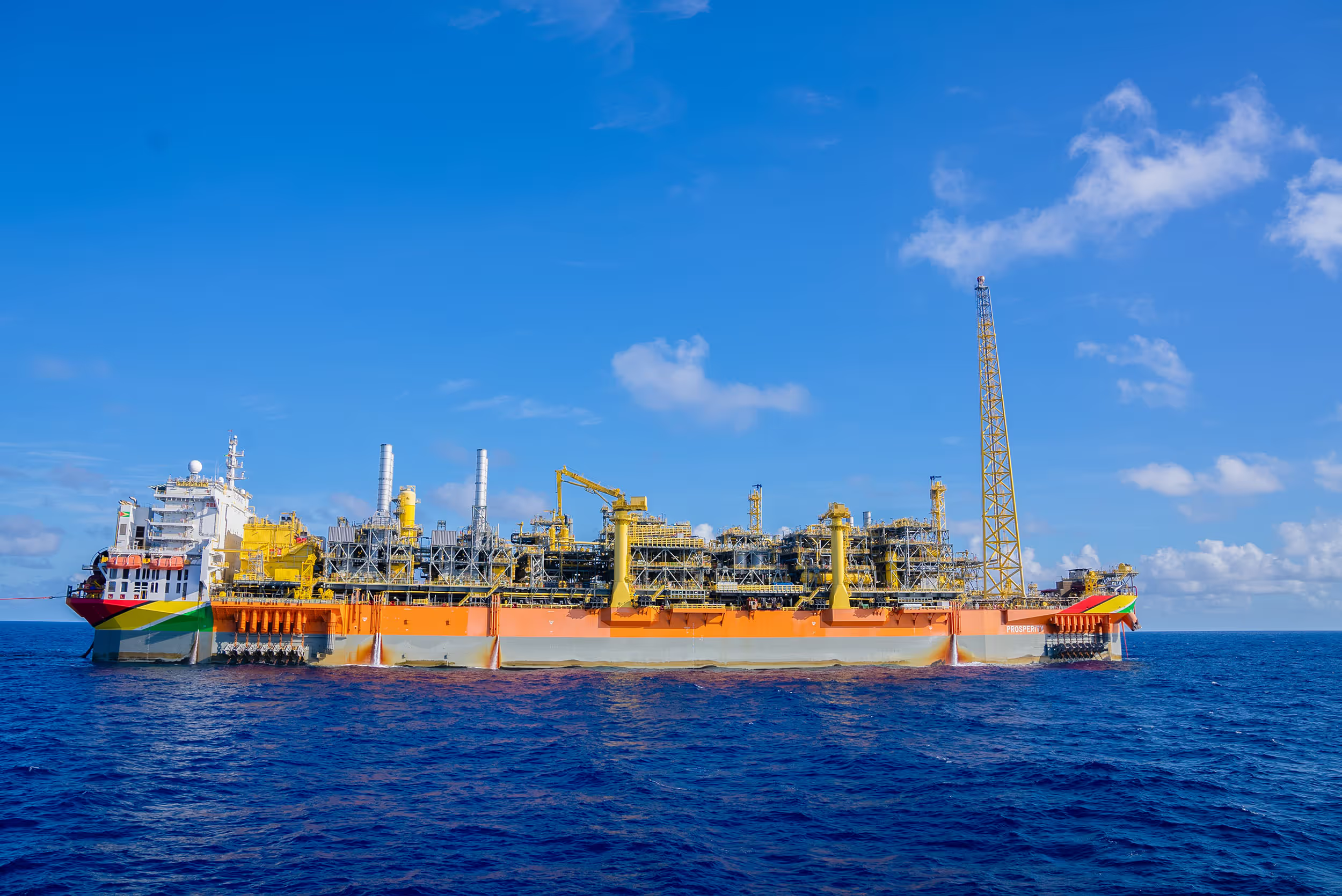
As one of the world’s newest oil producers, Guyana faces the delicate task of balancing its development ambitions with mounting global momentum for a fossil fuel phase-out.
While oil revenues are driving economic growth, global momentum toward a fossil fuel phase-out could shape long-term policy decisions, investment strategies, and international expectations.
For the wider Caribbean, the proposed treaty raises critical questions:
* How will small economies transition without financial harm?
* Will developed countries provide sufficient funding?
* Can global agreements truly reflect the realities of vulnerable island states?
With growing international backing and increasing pressure from climate-vulnerable regions like the Caribbean, the push for a Fossil Fuel Treaty is gaining traction.
Whether it becomes a binding global agreement remains uncertain — but one thing is clear: Caribbean voices are playing an increasingly influential role in shaping the future of global climate policy.



.png)