















Georgetown has long been known as “The Garden City”, a place where nature and city life have historically existed together.Today, as Guyana experiences rapid development and global attention, there is an opportunity to reimagine what a modern urban wildlife sanctuary can mean for the country, its people, and its future.
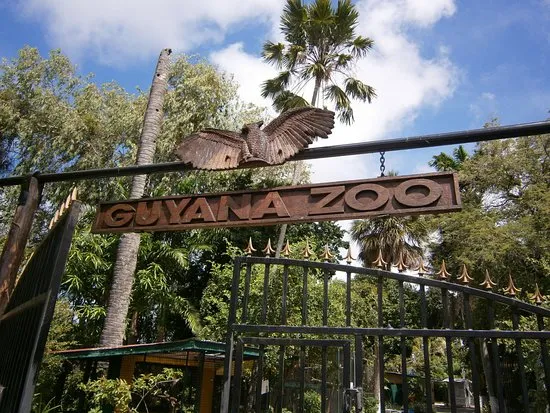
I visited Guyana’s Zoo in May 2026, after reading the News Room article on the recent announcements by PresidentDr. Irfaan Ali about major transformation plans underway for the Georgetown Zoo and Botanical Gardens. As I imaged and hoped that these proposed re-development plans will focus on biodiversity awareness, conservation, education, and improved animal care, I wanted to walk through the Zoo as is, to re-imagine what a sanctuary for animals can look like in our capital.
While walking, I overheard a father and his son (no older than six years old), talking about animals.
“An’ why we gah care fuh de animals?”
“Because they are God’s creatures”
That simple exchange stayed with me.
As conversations continue about the future of animal care and green spaces in Guyana, the question that should be central is “what kind of relationships do we want to have with the wildlife and natural beauty that define our country?”
A modern animal sanctuary is not meant to be a place where animals exist behind bars for entertainment. Around the world, the best sanctuaries focus on rehabilitation, conservation, education, and creating environments that closely resemble natural habitats.
Guyana is uniquely blessed in this regard. Our forests, rivers, and savannahs are home to some of the world’s most remarkable wildlife, including jaguars, giant river otters, harpy eagles, tapirs, manatees, monkeys, and hundreds (or thousands?) of bird species.
A truly modern sanctuary in Guyana should reflect that richness while placing animal welfare at the centre of every decision.
Rescued and endangered animals should live in larger shaded habitats designed with natural vegetation, water features, climbing structures, and enrichment activities that reduce stress and encourage natural behaviour. Such a sanctuary should also work closely with The EnvironmentalProtection Agency, veterinarians, Indigenous communities, conservationists, and the University of Guyana to rehabilitate injured wildlife and support breeding and protection programs for threatened species.
This would transform the sanctuary from a place of display into a place of preservation.
The space needs to also support outdoor activities for Guyanese.As we read last week, parks are important, and adding a sanctuary in the heart of the city would provide a new space for us to visit and jus deh. A thoughtfully designed animal sanctuary has the potential to become one ofGuyana’s most meaningful public spaces for all Guyanese citizens to visit.
And what makes this opportunity exciting is that Guyana does not need to imitate overseas zoo models.
A sanctuary here should feel unmistakably Guyanese.
Its design could (and should) centre and teach Indigenous practices of living, while having rainforest-inspired architecture, wetlands displays, canopy walkways, and spaces that reflect the country’s diverse landscapes. We can also see unique spaces such as quiet wellness zones and shaded rest areas, along with eco-friendly transportation such as electric trams and solar powered facilities.
Done properly, the sanctuary would become a symbol of national pride, and a place where nature, culture, and education come together.
Most importantly, it could help preserve Georgetown’s identity as a green and people-centred city even as development continues to accelerate.
The success of a sanctuary should be measured by how well animals are protected, how many Guyanese are educated, how much nature is preserved and how deeply people reconnect with the environment around them.
Guyana is entering a new era of growth and modernisation. Roads, buildings, and infrastructure matter, but so do spaces that protect peace, biodiversity, and national identity. A modern animal sanctuary could become one of the most hopeful symbols of our country’s future, and proof that nature is a key priority for our national development programme.
And maybe we will all realise that the preservation of our present lives (and the future, but we need to preserve now as well) begins with something as simple as a conversation between a father and his son, regardless of who asked who the question:
“An’ why we gah care fuh de animals?”
“Because they are God’s creatures.”



.png)